Launch-Day Reality: What Bulk Mascara Packaging Gets Wrong
You’re at a small studio at 10 p.m., samples lined up, and your first drop date is set. The next carton says empty mascara tubes wholesale on the label, and everyone nods like it’s settled. But the data is not kind: average lead times stretch 45–90 days, scrap rates sit around 3–7%, and a wrong wiper fit can sink half a batch. So the question comes, simple but heavy—how to scale without leaks, delays, and cash flow jam, kan?
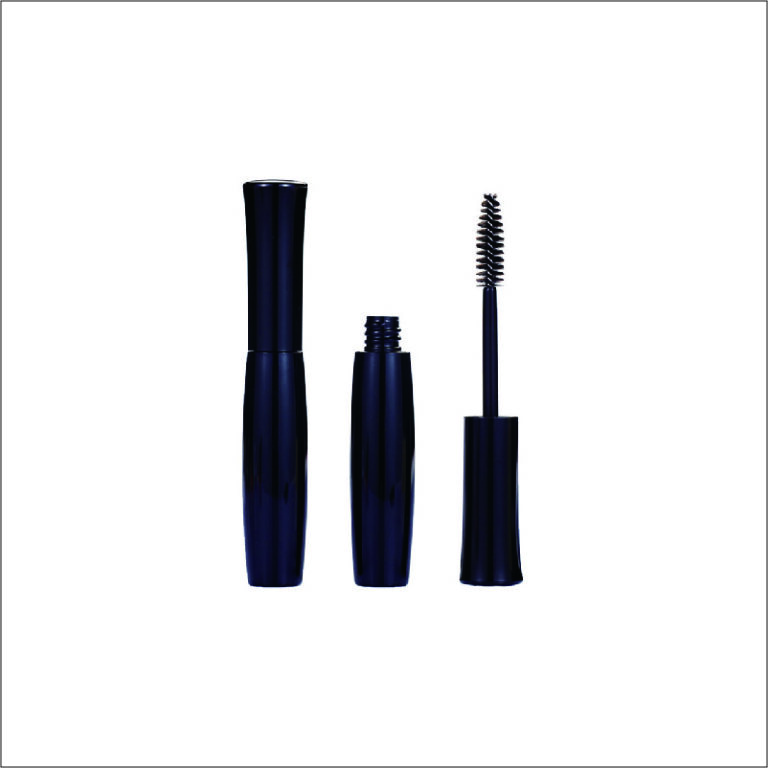
Here’s a twist: many teams still copy last season’s spec sheet (same cap torque, same PETG barrel, same print line) and hope for best. Yet viscosities change, wand fiber changes, even the PP resin mix shifts by supplier lot. Small gaps become big losses. Your crew sees late rework, your finance sees blocked cash, your brand sees reviews. It’s not drama, lah. It’s a system problem. Can fix? Yes. But first, we compare what really matters, not just unit price. Let’s move step by step to the root causes and the better choices ahead.
Under the Hood: Why Bulk Buying Feels Easy but Breaks Quietly
Where do the hidden losses come from?
Technically speaking, the pain hides in tolerances and hand-offs. When teams push empty mascara tube wholesale orders without revisiting the spec stack, tiny mismatches stack up. Injection molding variance changes the neck ID by fractions. Wiper durometer shifts the seal. Cap torque drifts after transit. Then the fill line tolerance fails you on the line. A perfect price per unit can still cost more after rework, leakage returns, and reprints. Batch QC catches some issues, but late. Air-leak tests and torque checks must reflect your formula’s viscosity and wand geometry—not a generic template. Look, it’s simpler than you think: align the tube, wiper, brush, and cap as a system, not four parts.
Traditional fixes—like “just increase MOQ to get better pieces”—mask the root. Higher volume with the same mismatch only multiplies your headaches. Silk-screen printing can ghost if the varnish spec doesn’t match the barrel resin; hot stamping can flake on unprimed anodized sleeves—funny how that works, right? The better path starts earlier: define a functional spec (leak rate target, torque window, drop test result, wiper pull-force) tied to the formula rheology. Then ask for a pre-run with retained samples and a small stability loop. When the supplier builds to outcomes, not only drawings, you avoid surprise costs— and yes, it shows.

Beyond Price: How Tomorrow’s Tubes Change the Math
What’s Next
Forward-looking teams compare suppliers by process, not brochure. Some mascara tube manufacturers now run digital mold calibration and in-line vision systems. They measure neck ID, thread pitch, and surface finish on the fly, then auto-tune injection parameters. Others add QR traceability so a leaky sample can be tied back to a cavity number and a shift. That shrinks root-cause time from weeks to hours. Inks get tested for adhesion on PETG versus PCTA, not assumed. Wiper fit is validated by pull-force curves, not a single feel test. The principle is simple: when process data travels with the part, rework drops and forecasts get saner.
Comparatively, the old model looks cheap upfront but heavy later. You pay with buffer stock, manual inspection, and too much hope. The newer model costs a bit more per unit, yet it saves through lower scrap, tighter cap torque bands, and fewer customer complaints. You also win on sustainability: thinner walls with rib reinforcement, recycled PP options, and mono-material builds that pass local sorting. Small choices, big compound effect. And when you benchmark suppliers, put them side by side—same formula, same wand, same fill line—then run stress tests. The differences appear fast—sometimes in a single drop test.
To wrap, carry three practical metrics when choosing your next wholesale partner. First, functional pass rate under your formula: leak rate after 24-hour invert, torque retention after vibration, and wiper pull-force consistency. Second, process visibility: cavity-level traceability, SPC charts for neck dimensions, and documented cap torque curves. Third, total landed impact: scrap cost, rework time, and forecast accuracy across two production cycles. If these three look strong, you’re buying fewer problems tomorrow. Share what you measure, and the work gets easier for both sides—because clarity travels. NAVI Packaging