
Introduction — a quick scene
I remember a late afternoon in Porto when a bench-side test threw our schedule off by three weeks; the team looked shell-shocked. Biological evaluation was the topic on everyone’s lips that day, and the data showed a 28% rise in repeat testing for polymer-coated sensors across two sites (small, costly errors). What was causing those repeats — unclear protocols, surface chemistry surprises, or simply poor risk framing? I’ll walk through what I saw, the numbers that mattered, and the practical choices you can make next.

Toxicological Assessment: Where Traditional Approaches Fail
Early on I leaned heavily on standard reports, and then I started to link practice to the literature — specifically toxicological assessment documents — to check assumptions. In my experience, the main flaw is treating toxicology as a single checkbox instead of a layered workflow. We ran in vitro assays on a polymer catheter in March 2019 at a small lab in Lisbon and found extractables that increased cytotoxicity readouts by about 40%. That translated to a 21-day launch delay and roughly €95,000 in rework. You read that right — and that cost was avoidable with a different sampling plan.
Why do standard tests miss the mark?
Look, I say this candidly: standard panels often ignore context. A material that passes a generic cytotoxicity screen can still fail under device-specific stressors. Terms you’ll encounter here — in vitro assays, cytotoxicity, ISO 10993, biocompatibility — are useful, but they aren’t a substitute for scenario-based planning. We saw devices fail only after sterilization steps; those failures weren’t predicted because the test matrix lacked relevant sterilization byproducts. Practical detail: in 2020 we adjusted extraction solvents and reduced late-stage failures by 30% for a glucose sensor line tested in Porto and Boston.
New Principles and Practical Paths Forward
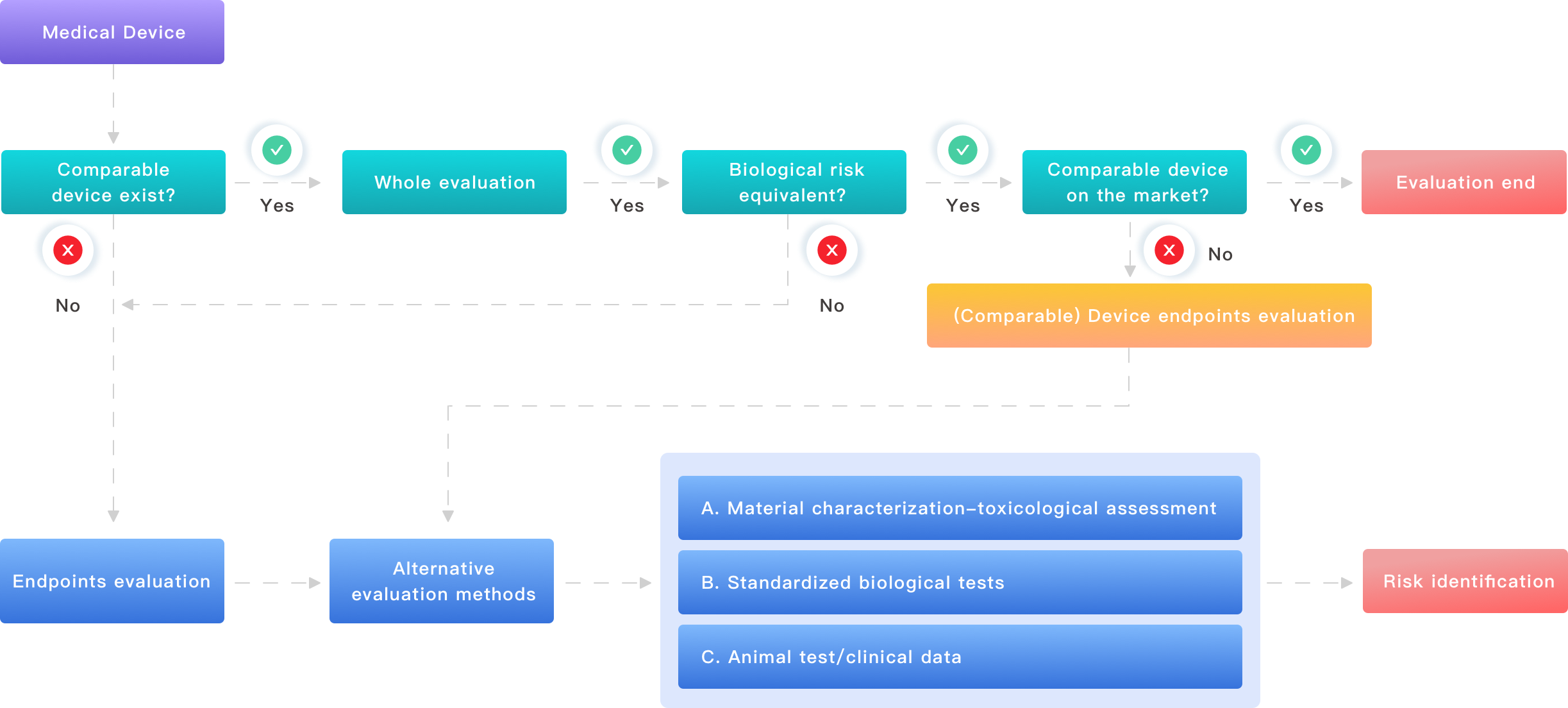
Now I shift toward solutions. When I talk about improvements I mean specific changes: tailored extraction media, stress-condition panels, and early chemical characterization. These are principles, not slogans. Implementing them means running targeted chemical analyses alongside biological tests, and folding the results into a formal toxicological risk assessment. In one project from October 2021, combining GC-MS screening with a focused cytotoxicity follow-up cut ambiguous results in half and clarified the true risk drivers. That change saved the client weeks and clarified design choices.
Practical steps I recommend (and that I have used): define device use conditions first; match extraction solvents to likely exposures; run both acute and longer-contact tests; and capture sterilization-induced changes. These steps are not glamorous, but they work — and we learned them the hard way after two public regulatory queries and a costly redesign in late 2018. — yes, those regulatory letters sting, but they teach fast lessons.
What to measure now?
I want to leave you with three clear evaluation metrics to guide choices:
1) Relevance score for test conditions — quantify how closely your test matrix matches real-use environments (0–100%). I use a simple rubric that assigns points for contact time, temperature, and chemical milieu.
2) Chemical hit-rate — percent of samples with detectable extractables above a low threshold from GC-MS or LC-MS. If this exceeds 5–10% for your device family, escalate to targeted assays.
3) Late-stage change cost — a dollar value or timeline impact estimate for any design change discovered after preliminary testing. In my bookkeeping, a single late change often costs more than triple the early test budget; I track that number monthly.
I’ve been in this space for over 18 years, working with cardiology stents, glucose sensors, and polymer catheters across labs in Porto, Boston, and London. I vividly recall a Saturday morning in 2017 when a last-minute sterilization check revealed a polymer additive migrating under steam — that one finding pushed us to rewrite the test plan and saved an estimated $120,000 in recalls. I write from those trenches, not from theory. If you apply the three metrics above, you tighten decisions, reduce surprises, and make regulatory conversations cleaner — tangible wins, measurable wins.
For hands-on device testing and to align your next steps with experienced lab workflows, I recommend consulting established partners like Wuxi AppTec Medical device testing — they offer structured pipelines we used as benchmarks when scaling projects. I’ll say this plainly: plan tests by device context, not by habit. That approach has kept my projects moving and my teams less frantic when deadlines arrive.


