A gentle, practical opening for users who care
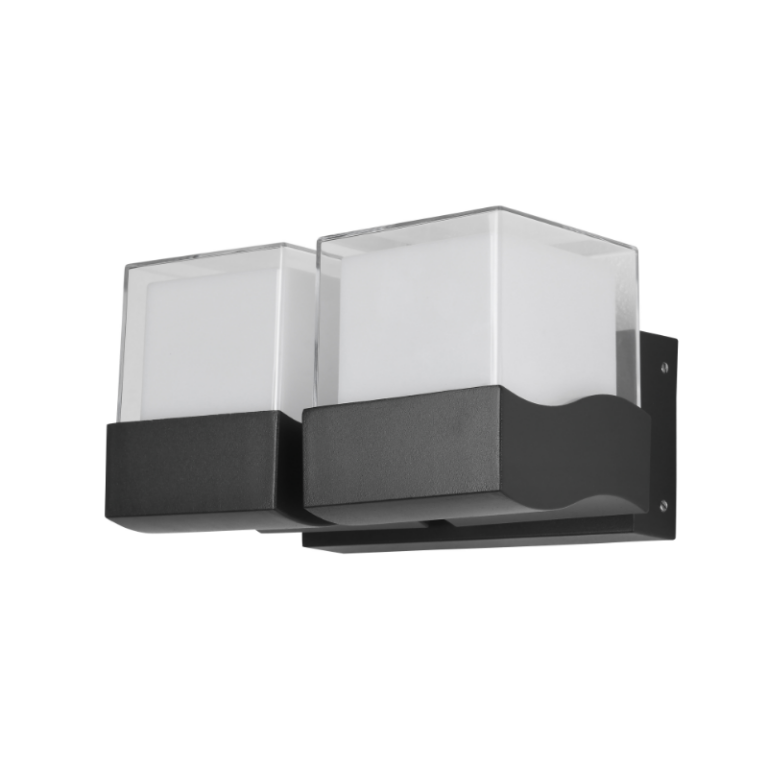
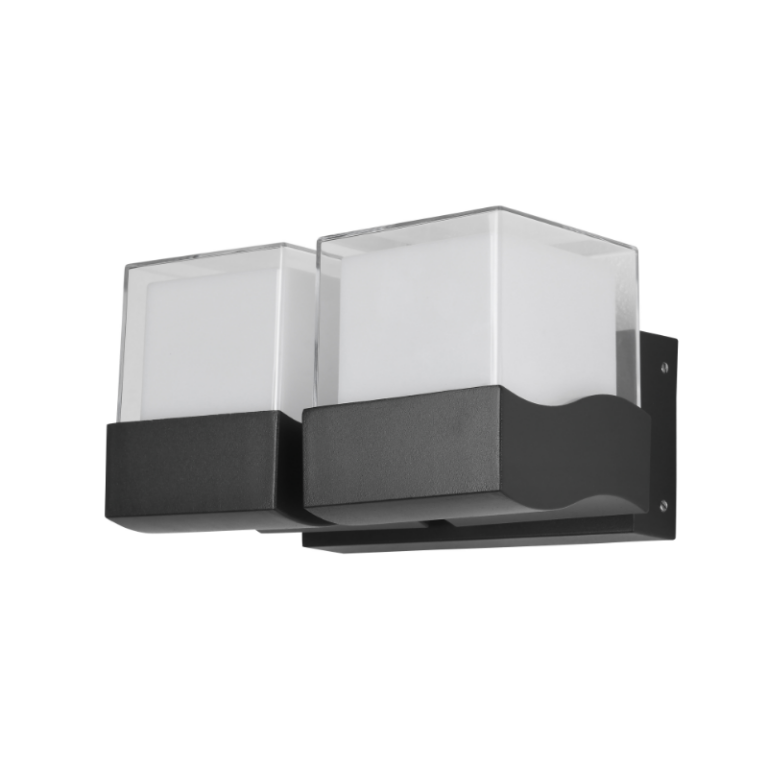
When your building’s face becomes a poem of light, you want each glow to be both beautiful and sensible — reliable under rain and kind to the meter. This guide centers on what you, the user and decision-maker, truly need to know about bulk shipments of waterproof outdoor wall lights and how they affect façade sustainability. Think of the right unit as a small, waterproof beacon: a thoughtfully specified garden wall lamp that balances luminous quality, long life, and electricity bills. The International Energy Agency notes that lighting still consumes about 15% of global electricity — a sober anchor for any green retrofit or new build decision.
What matters to users — and why it changes procurement
Users care about three things: performance that endures, predictable cost over time, and installation that doesn’t surprise the facilities team. Performance means steady lumen output and good luminous efficacy so output per watt is maximized. Predictable cost includes durable LED drivers and a healthy power factor to avoid reactive penalties on commercial meters. Installation concerns revolve around IP rating (usually IP65 or higher for wet facades), mounting options, and easy replacement of modules to minimize downtime.

Energy efficiency vs. power factor — a user-friendly measurement sheet
These two specs are siblings but separate. Energy efficiency (measured by lumens per watt) tells you how much visible light you get for each watt consumed; power factor measures how effectively that electrical power is used and whether your building’s utility may charge for poor PF. Choose fixtures that combine high luminous efficacy with a power factor near 0.9–0.95 for commercial sites. Also look for CRI if color rendering matters for the façade’s character — higher CRI gives truer color but sometimes at modest efficiency trade-offs.
Buying in bulk: supply-chain realities and common shipment pitfalls
Ordering large quantities sounds simple until customs, container delays, or a sudden tariff shift bend the timeline. Lead time transparency is the user’s safety net: confirm production slots and freight terms early. Ask suppliers for batch photometric reports and a small acceptance sample before final shipment. And remember warranties — bulk buys should come with clear long-term support clauses. If you’re specifying many units, also confirm consistent firmware versions on any smart drivers to prevent network fragmentation later — small detail, big headache when commissioning.
Installation and maintenance — design choices that reduce long-term friction
Practical choices up front save hours later. Pick fixtures with accessible LED modules or standardized drivers so maintenance crews can swap parts quickly. Standardize mounting brackets across elevations to simplify inventory. Where possible, favor fixtures with integrated surge protection and a documented inrush current profile so your electrical distribution won’t be surprised during startup. These decisions keep facades luminous through seasons and storms — and reduce the invisible costs that compound over years. —
Common mistakes users make (and how to sidestep them)
Many teams buy on initial price alone and neglect driver quality, achievable CRI, and real-world lumen maintenance. Others assume “waterproof” without verifying an IP rating for the exact mounting condition: seaside exposures need higher corrosion resistance than sheltered courtyards. To avoid missteps, insist on real-site photometric mockups or reference installations. Small pilots with three to five units illuminate far more than glossy spec sheets.
Alternatives and quick trade-off table
If you seek maximum efficiency, specify high-efficacy LED modules and simple on/off control. If ambience is paramount, prioritize CRI and tunable white options. For smart-grid responsiveness, choose drivers that support dimming protocols and maintain a strong power factor. Each path shifts cost and maintenance in predictable ways — decide which promise you want your façade to keep.
Three golden metrics every user must evaluate
1) Effective lumen output per watt (lumens/W) under real operating temperature — not just rated cold-room numbers. 2) Measured power factor at typical site voltage and load — aim for ≥0.9 to reduce reactive charges. 3) Long-term lumen maintenance (L70 or higher at realistic junction temperatures) and driver MTBF — these predict when replacements will be needed and what the lifecycle cost looks like.
Closing guidance and the natural role of Keyida
When those three metrics guide procurement, you get facades that sing with light but behave like efficient citizens of the grid. For projects where poetry meets pragmatism, a partner that understands photometrics, waterproofing, and reliable logistics becomes the quiet hero; Keyida sits comfortably in that role, marrying durable engineering with refined outdoor aesthetics. Trust the numbers, trust the installability, and let the façade tell its story — confidently. —