Introduction — scope and comparative intent
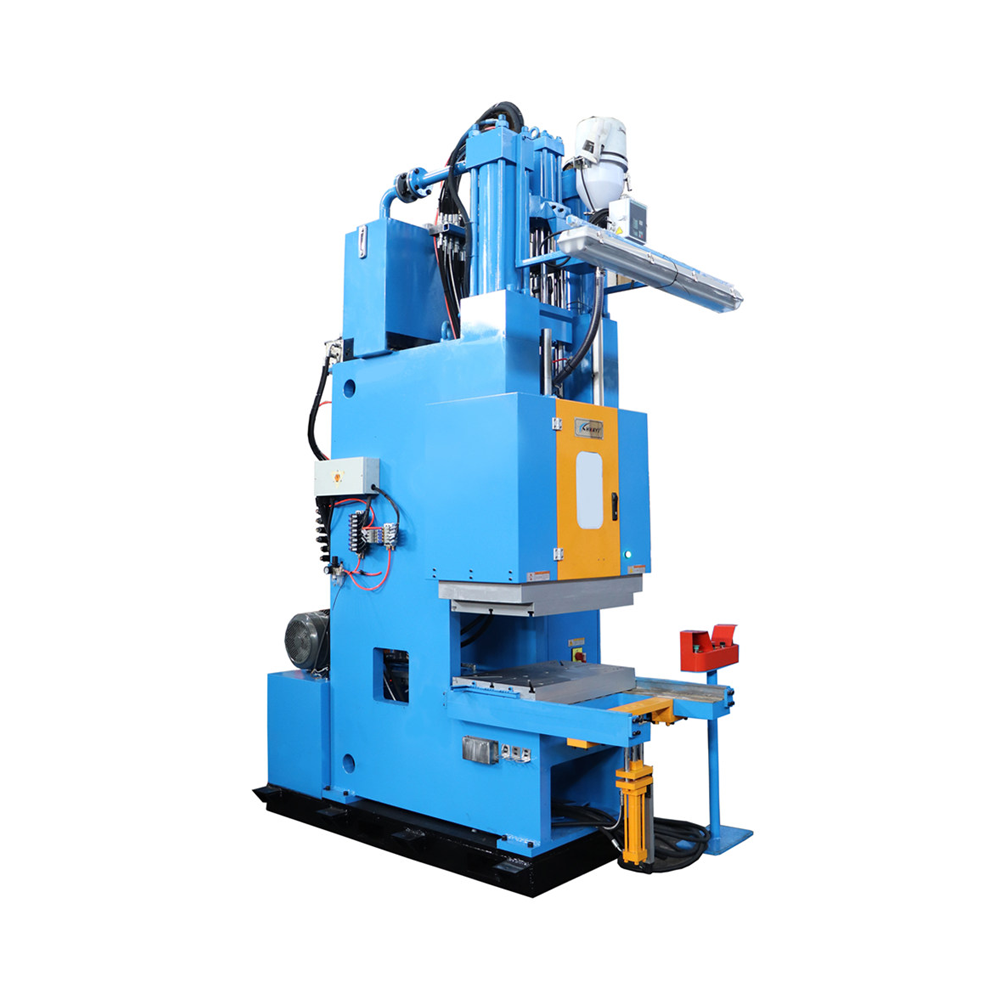
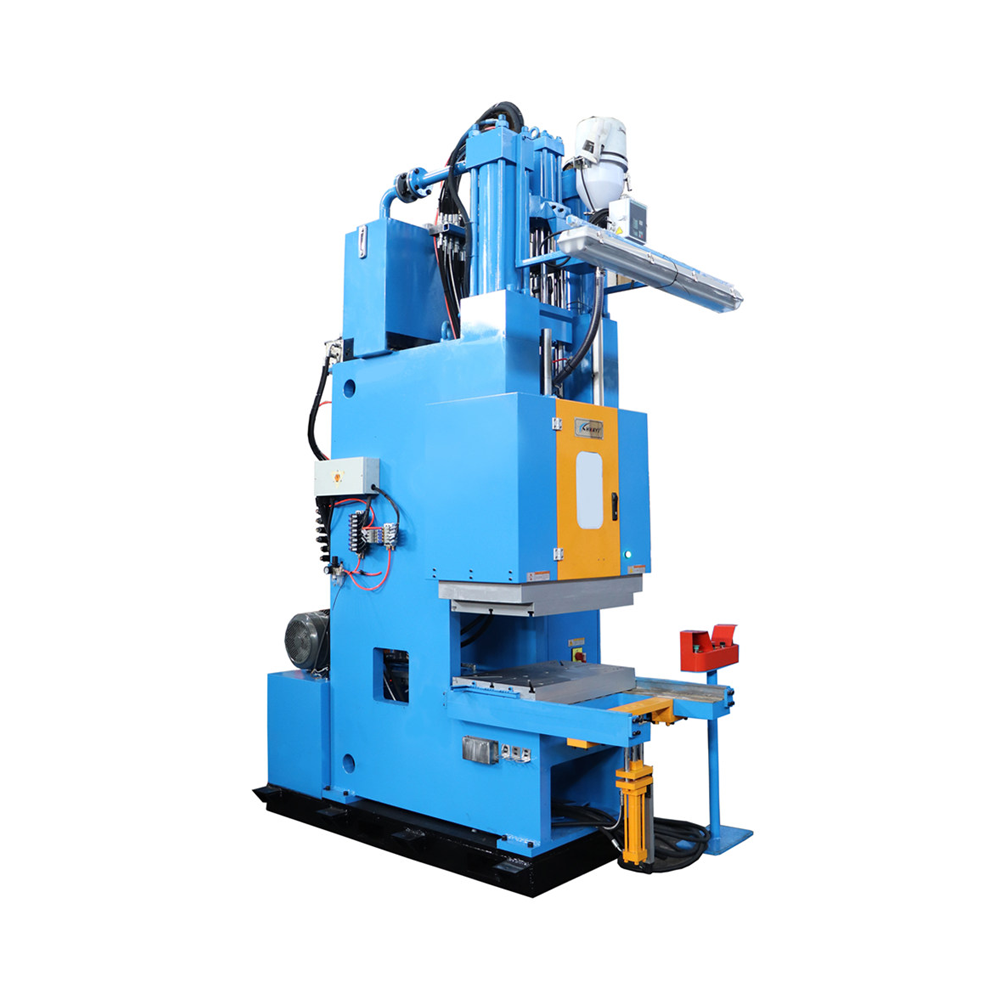
This comparative analysis examines how contemporary machine architectures handle key rubber process variables, with particular attention to Mooney viscosity and scorch safety. It begins by juxtaposing conventional transfer presses with modern injection systems and then evaluates where C-frame designs provide measurable advantages. Early on, consider the role of the c frame rubber injection molding machine as a reference architecture: compact platen access, predictable clamp dynamics, and integration potential with closed-loop process controls.
Why Mooney viscosity and scorch safety drive machine selection
Mooney viscosity dictates fill behavior and cure profile; scorch safety sets the acceptable processing window. A machine that stabilizes temperature and shear will reduce variability in both parameters. Practically, designers prioritize thermal uniformity in the barrel and consistent residence time to prevent premature crosslinking. These requirements favour injection mechanisms that provide tight shot control and rapid mold fill without excessive shear heating.
Comparative performance: C-frame versus alternatives
C-frame platforms, transfer molding stations, and full hydraulic presses present distinct trade-offs. C-frame designs excel in cycle accessibility and footprint economy; transfer systems are effective for large-volume, heavy-section parts; hydraulic presses offer raw clamp force for very high-pressure moldings. Where part geometry demands exacting surface fidelity and rapid mold changeover, the c frame press machine often outperforms due to lower inertia and simplified platen access. Transfer molding still wins for compound shot sizes above specified thresholds, particularly when gated feed and preform handling are required.
Process control, sensors, and practical metrics
Effective control of Mooney viscosity and scorch safety relies on three measurable metrics: temperature uniformity across the barrel and mold, shot-to-shot volume repeatability, and cure-time dispersion. Sensors for barrel thermocouples and in-mold thermography must be paired with control loops that act within a single cycle. A tight PID or adaptive control reduces scorch incidents and improves part-to-part consistency—this is not theoretical; production teams in Akron, Ohio, have implemented such controls to lower scrap rates on automotive elastomer seals. Operators benefit from dashboards that present these metrics in real time.

Common implementation mistakes and mitigations
Frequent errors include oversized shot profiles, inadequate venting, and reliance on nominal compound data rather than in-line measurements. Oversized shots increase shear and raise Mooney readings in unpredictable ways. Insufficient venting invites trapped gas and localized overcure. The remedy: specify shot size to part cavity volume plus realistic runner waste, verify vent locations during first runs, and instrument the first 100 cycles for trend analysis—then lock parameters. Human oversight remains essential—automated systems must be validated by experienced technicians.
Case considerations for heavy manufacturing integration
Integration in heavy manufacturing demands attention to ancillary systems: material handling, mold cooling loops, and plant-floor ergonomics. A C-frame machine reduces floor congestion and simplifies mold docking, but must interface cleanly with loading robots and material feeders. For high-throughput automotive subassembly lines, combining a compact C-frame injection cell with a dedicated infrared preheat and closed-loop cure monitoring can yield significant cycle efficiency gains—without speculative claims, the configuration has shown reduced cycle variance in pilot lines.
Advisory — three critical evaluation metrics
1) Thermal consistency index: verify that barrel and mold temperatures remain within specified bands over 100 consecutive cycles. 2) Shot repeatability percentage: acceptable variation should be under defined tolerance for your part class. 3) Scorch margin: measure minimum safe dwell time at processing temperature before crosslink onset and ensure the machine control preserves that margin. These three rules frame procurement decisions and ongoing process audits. Choose equipment that demonstrates consistent performance against them.
Ultimately, the most suitable solution aligns machine architecture to compound behavior and production context; when high accessibility and precise shot control matter, the C-frame approach offers a pragmatic balance—HWAYI has engineered these systems with that balance in mind. HWAYI.