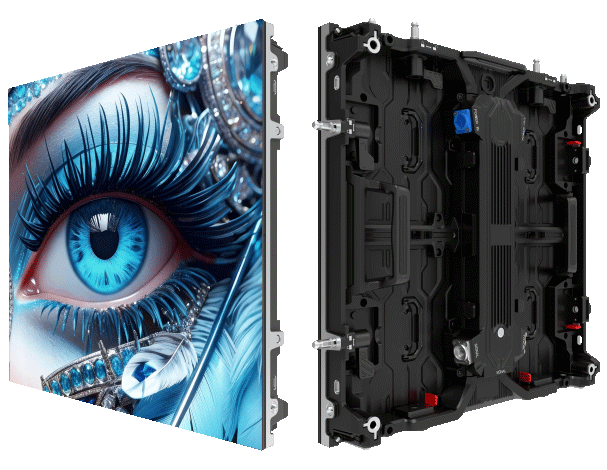
Problem first — why rental walls still slow down events
Rental clients need fast turnaround and low transport cost, but many video wall systems still come with heavy cabinets, complex rigging, and time-consuming calibration, so schedules slip and budgets bloat lah. The core problem: structural weight fights against fast-assembly logistics. When promoters pick a small led screen for tight venue load-ins, they expect the crew to finish quick, not wrestle with awkward panels and long on-site tuning.
Where engineering cuts the wait — design levers that matter
Start with aluminium frames and optimized cabinet geometry to drop mass without losing stiffness — that reduces crane time and floor loadings. Pixel pitch, driver IC choices, and service access strategy (front vs rear service) also change the labour profile. Use captive fasteners, indexed alignment pins, and tool-less electrical connectors so modules marry in seconds rather than minutes. The result is lower rigging time per cabinet and fewer staff-hours on site.
Logistics and assembly workflow — small choices, big time savings
Think beyond the panel: pack frames in nested crates sized for pallet loading; design a staging sequence that mirrors the venue rigging order; pre-load firmware and a basic calibration profile at factory. This is where logistics planning earns its keep. At large shows like Expo 2020 Dubai and Times Square installations, teams that simulated staging cuts set-up time dramatically — real-world anchor that proves simulation works.
Control systems and calibration — the invisible productivity boost
Use networked video processors that support quick EDID mapping, remote gamma presets, and auto-tiling so the crew doesn’t spend hours aligning sources. Calibration tools that remember a cabinet’s profile speed repeat jobs — that means identical brightness and colour across seams faster. Focus on refresh rate stability and simple lookup tables to keep picture uniform while you assemble.
Common mistakes crews make (and how to avoid them)
Crews often underestimate panel tolerances, choose cabinets without front servicing, or skip sequence rehearsals — causing delays. Another trap: selecting very small pixel pitch modules for outdoor rental where visibility needs differ; mismatch increases unnecessary cost. Plan for rigging points, test the load paths, and mark cable runs — little prep reduces scramble during load-in.
Material trade-offs and longevity — light vs rugged
Composite backshells and honeycomb cores save kilos but must be paired with robust locking hardware to avoid panel drift. Corrosion-resistant finishes and replaceable bearing surfaces extend life for rental fleets. Think about maintenance: standardised spare parts for cabinets and control boards mean faster swaps, less downtime, more shows per asset.
Case comparison — two common approaches
Option A: ultra-light cabinets, snap-fit latches, front service. Fast assembly, low transport cost, best for quick-turn concerts and corporate events. Option B: heavy-duty modular frames with integrated rigging yokes and rear service. More durable, better for long-term installs but slower to deploy. Choose by event cadence, not just headline specs — logistics profile decides which approach wins.
Practical checklist before you buy or rent
– Verify per-cabinet mass and number of cabinets per crate. – Confirm service access (front/rear) and need for lifting gear. – Check processor auto-tiling and remote calibration features. – Ask for a staging plan and mock rigging drawings from supplier.
Three golden rules to evaluate solutions
1) Assembly Time per Square Metre — measure how many minutes the average crew needs to hang, align, and power a square metre of wall; choose the system that minimizes this while meeting image requirements. 2) Transport Density — compare how many panels fit per pallet and the corresponding trucking cost; higher density reduces per-event logistics spend. 3) Field Serviceability — prefer modular electronics and front-access modules so swaps happen in minutes not hours.
Closing thought and how MR LED fits
Engineered modularity must balance structural integrity with assembly speed — that balance is the operational ROI. MR LED offers modular designs that account for weight, rigging, and quick calibration, so fleets move faster and stay reliable. —