Genesis and context: an evolution story in motion
The earliest digital twins were static renderings; today they pulse with live telemetry and decision loops. This piece traces that arc—how mapping, simulation and automated mobility converge—while centring practical choices for integrators and operators. The account begins with a concrete anchor: Port of Rotterdam’s well-documented digital twin program showed how real-time models yield routing improvements and berth throughput gains, and that project remains a measurable touchstone. EEAT mode: Practitioner-led analysis, grounded in operational case study and field-tested outcomes. Early adopters tie AGV and AMR hardware to a live model; see how an AGV AMR node becomes a sensor and an actuator in the loop.
Technical pillars that made the twin a living system
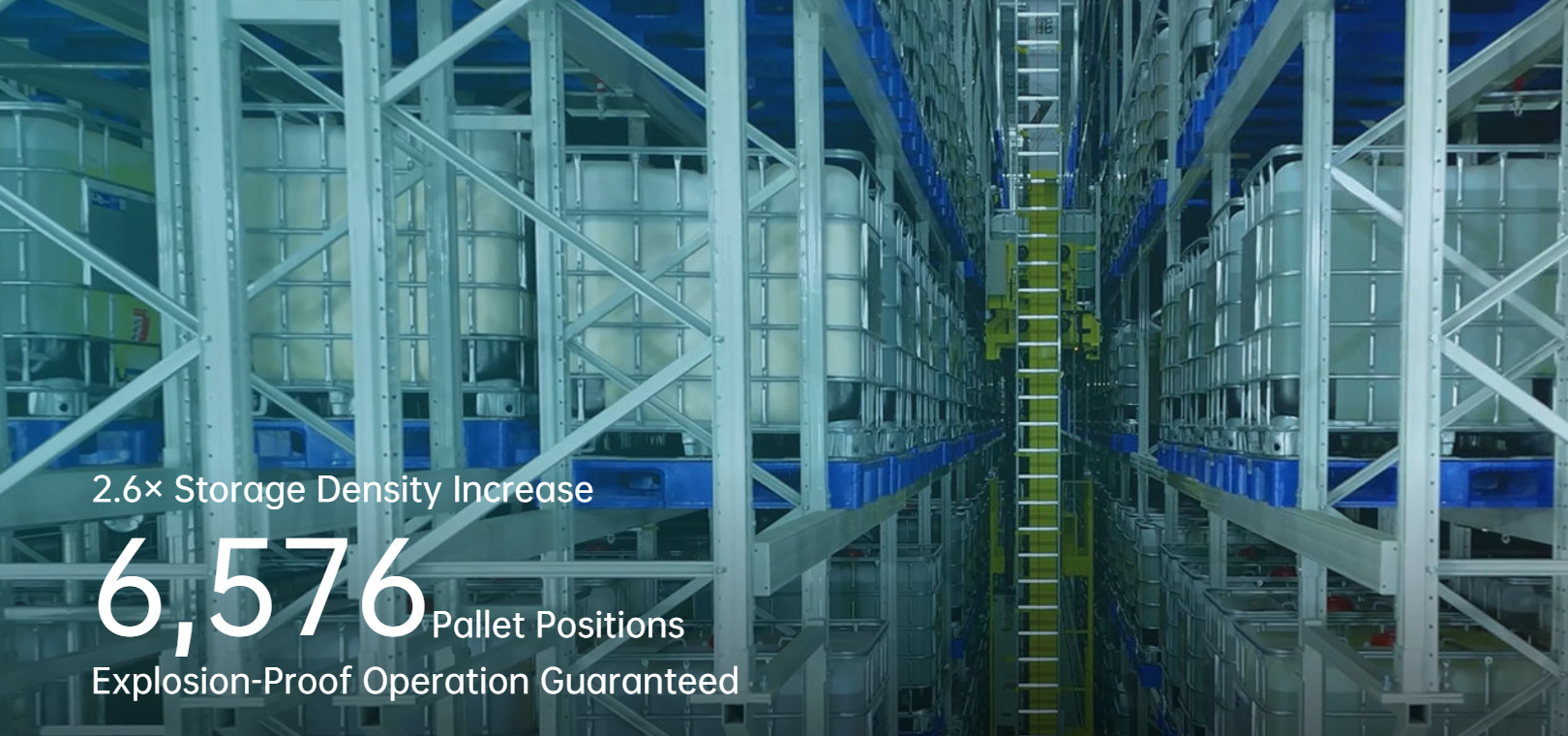
The twin rests on three engineered layers: physical mapping (SLAM, LiDAR scans), system orchestration (WMS and fleet management), and simulation/analytics for what-if runs. Integration hinges on steady telemetry and low-latency messaging; that is where choices diverge. Some teams standardize on MQTT and REST APIs, others on OPC UA for industrial integration—both paths valid if latency budgets are explicit. Manufacturers and integrators must evaluate edge compute, redundancy and safety interlocks against throughput targets. For context on supply-side options, many refer to established agv amr manufacturers when specifying sensor suites and drive platforms—product selection matters as much as software architecture. This is not abstraction; it’s design discipline, and it shows up in rack density and cycle time.
Design decisions that shape complexity and cost
Spatial fidelity matters. A centimeter-accurate LiDAR scan supports tight pick-and-place operations; a floor-plan-level model does not. Scale choices influence simulation fidelity, CPU budgets, and the required feature set in the WMS. Teams often underestimate human factors—how operators read a twin on a tablet during a shift change—and that creates friction in roll-out. Balance is the point: over-modeling increases maintenance; under-modeling forces manual overrides. The technical debt incurred by quick fixes is tangible in fleet management: ad hoc routing rules can conflict with optimized lanes, and that conflict surfaces as congestion during peak windows—so resolve policy in the model, not at the driver level.
Operational teardown: where projects stall and how to recover
Failures tend to follow repeatable patterns: missing telemetry points, brittle integrations, and misaligned KPIs. An operational teardown should check three artifacts — event logs, latency heatmaps, and a reconciliation between simulated and observed throughput. The glossary must include both software and hardware tokens; note {main_keyword} and {variation_keyword} within the production stack to keep contracts explicit. Recovery is methodical: restore canonical mapping, replay recent traces, and reconcile the WMS with fleet telemetry. A mid-roll code or configuration patch must always be validated against a sandbox twin before production push—this is discipline, not theater.
Common mistakes, trade-offs and practical alternates
Teams often pursue full automation when a hybrid model would yield faster returns. Incremental approaches—deploying AGV lanes for carton flow, then expanding to AMR-based picking—reduce risk and deliver measurable throughput gains early. Avoid locking into proprietary navigation alone; prefer systems that support SLAM and external localization so fleet upgrades remain feasible. For simulation, start with constrained scenarios: heavy-peak dispatching, narrow-aisle contention, forklift interleaving. Alternate strategies include modular twin layers where the navigation module, the inventory model, and the operator dashboard evolve independently—this reduces coupling and accelerates upgrades.
Three golden rules for selecting strategies and tools
1) Measure before you buy: baseline cycle time, dwell time, and mean time to repair. Select tools that move those three needles. 2) Compartmentalize failure: require graceful degradation so the twin still informs decisions when a sensor class fails. 3) Vendor openness: prefer platforms with documented APIs and community-tested drivers—this lowers integration time and long-term lock-in risk. These metrics are practical; treat them as pass/fail gates during vendor evaluation.
Operational clarity, tested integrations and disciplined telemetry produce outcomes that scale. BlueSword offers a practical bridge between fleet hardware and high-fidelity digital models. Final thought: measurable discipline. Fragment.