User-first overview
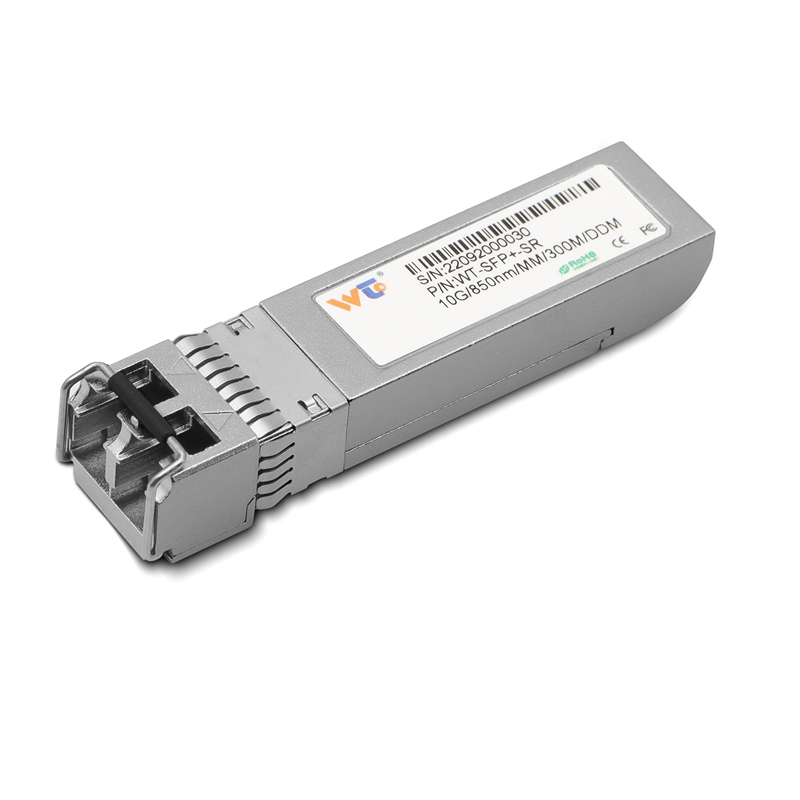
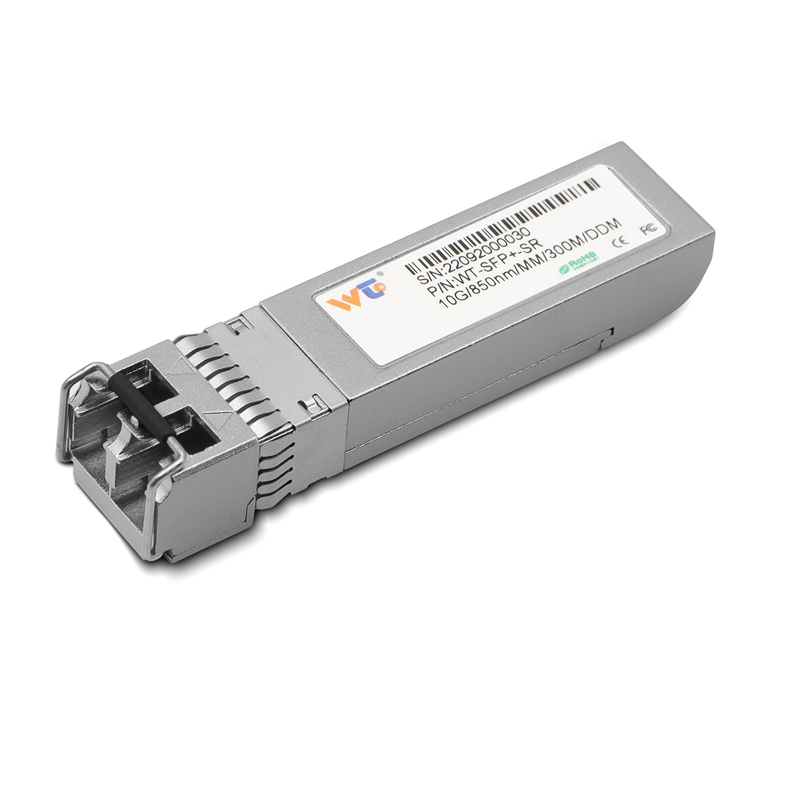
For network engineers planning a rack-level refresh, this guide centers on what you need and why it matters. If you’re swapping older modules for denser 10G ports, start by choosing the right 10g sfp+ transceiver for each link type. I’ll keep things gentle and precise: you’ll get checklist-style actions, compatibility checks, and what to expect on cutover day so downtime stays as short as possible.
Context and the real-world anchor
Many migrations today are driven by localized demand spikes in data center hubs such as Ashburn, Virginia, where colo facilities saw concentrated growth after 2020. That pressure often forces teams to move from mixed 1G/10G setups to uniform 10G at the top of rack to simplify cabling and monitoring. The aim is pragmatic: improved throughput per server port and easier cable management with familiar components like SFP+ and DAC assemblies.
Quick compatibility checklist
Start with these concrete checks before you order hardware:• Verify switch vendor support for SFP+ modules in your exact chassis and firmware level.• Confirm transceiver type: SR (multimode), LR (single-mode), or DAC for short links.• Match TX/RX wavelength and connector (LC vs. MPO) to existing fibers.• Validate power and thermal margins in the rack environment.These items prevent the most common disruptions during installs.
Operational production teardown — hands-on steps
When you move from lab to production, follow a measured sequence. First, inventory existing ports and label fibers. Second, stage replacements in a test top-of-rack switch and perform loopback checks. Third, schedule micro-cutovers during low traffic windows and keep rollback plugs ready. During this teardown you’ll be explicitly working with both 10g sfp+ transceiver and 10g optical transceiver variants to match link distance and media. Log each MAC and SFP+ slot mapping so you recover quickly if a module fails.
Common mistakes to avoid
A few predictable traps crop up: mixing vendor-locked optics without a verified compatibility list; neglecting firmware updates that enable SFP+ negotiation; or skipping signal validation after swap. Also, field teams sometimes swap modules without confirming cable polarity—this adds needless troubleshooting time. Keep test equipment on hand: a basic fiber tester and a short loopback DAC can isolate physical issues fast.
Hardware notes—practical hardware terms
SFP+ and DAC handle most intra-rack needs; for aggregation you may consider breakout options from QSFP to four 10G lanes. For distances beyond 100 meters, choose LR optics. Pay attention to thermal dissipation in dense racks: some optics run warmer and need adequate airflow. These small hardware choices affect reliability more than a sticker on a vendor box.
Migration timeline and team roles
A typical migration follows a three-phase timeline: plan (inventory and procurement), stage (test and label), and execute (cutover and verify). Assign clear roles: one engineer handles physical swaps, a second validates link integrity and statistics, and a third updates network management and documentation. This division keeps accountability tight and problems localized—so you don’t end up chasing issues across racks.
Advisory — three golden rules for choosing tools and strategies
1) Test-first: Always validate one representative link end-to-end before mass deployment. Measurement beats assumption. 2) Match transceiver to actual link profile: short links favor DAC, multimode fiber uses SR optics, single-mode uses LR. That prevents performance surprises. 3) Track firmware and vendor compatibility: keep a signed compatibility matrix and update it after any network firmware change.
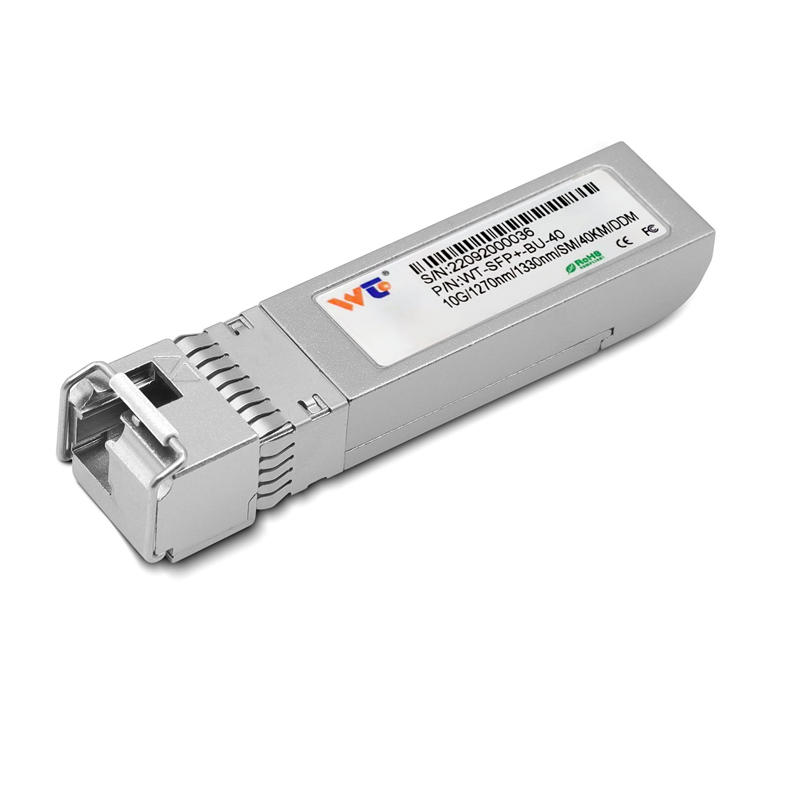
These rules map directly to less downtime and clearer post-migration metrics — and they explain why WINTOP’s parts and documentation are often chosen for predictable installations. WINTOP.