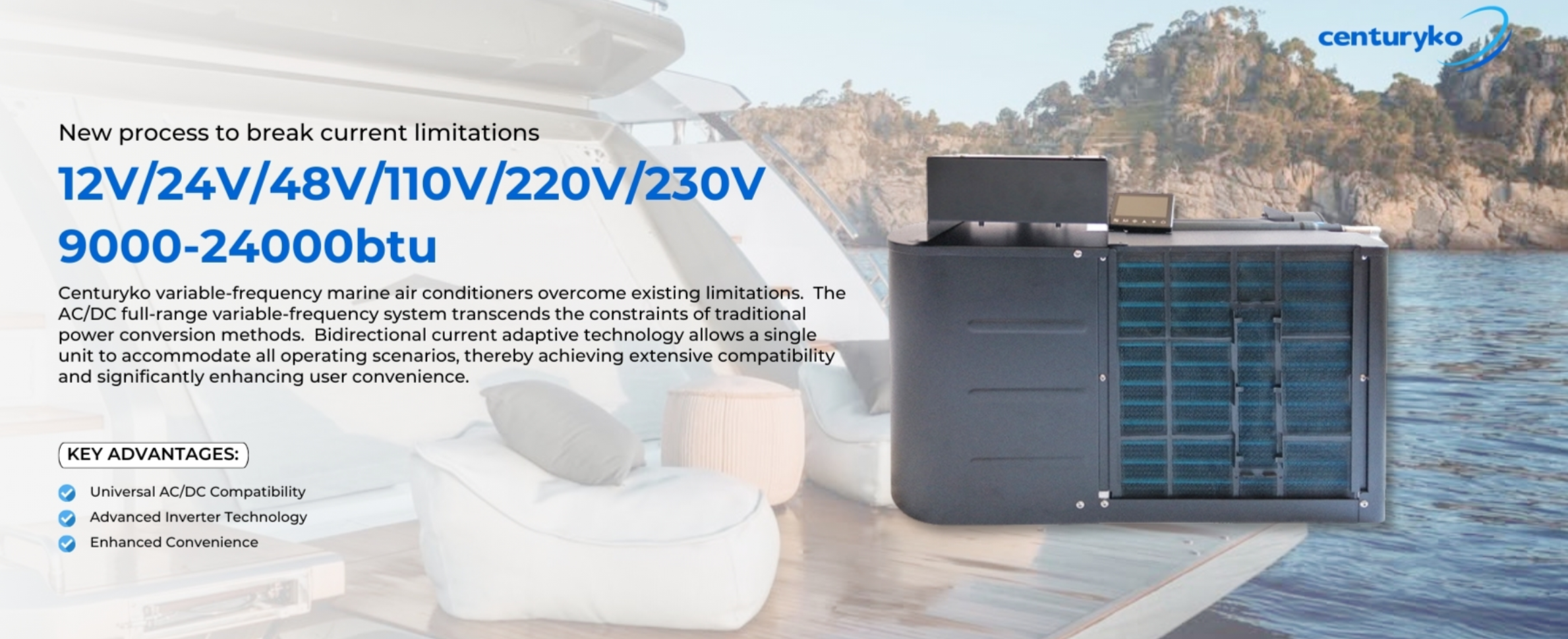
The core problem on board
Marine air conditioning systems often fail not because of complex electronics but because seawater circuits clog with marine growth or strainers foul, and coolant flow drops through wear. For technicians working every day, a simple routine prevents many callouts. Start your day by confirming the performance of the 12000 btu marine air conditioner model and similar units: check seawater inlet, heat exchanger condition, and pump operation before you leave the dock.
Daily inspection checklist
Follow this tight checklist each morning. It keeps small issues from growing into system failure. Please record each item for trend tracking.- Visual: inspect seacock, strainer lid, and through-hull fittings for leaks and damage.- Seawater flow: measure pressure and observe flow at discharge to confirm steady coolant flow.- Strainer: open and clear debris; look for biofouling or plastic trash that blocks the strainer basket.- Pump and impeller: listen for cavitation and check shaft play. Replace impeller if the vanes show significant wear.- Heat exchanger and condenser: note discoloration or heavy deposit layers that indicate early biofouling.
Effective cleaning and anti-fouling tactics
Address biofouling with practical, safe steps that respect regulations and equipment. Mechanical cleaning of the heat exchanger tubes and strainers should happen weekly in high-growth waters. Apply non-toxic anti-fouling coatings to the external hull sections near intakes, and change zinc anodes on a schedule tied to measured corrosion rates. When using chemical cleaners, follow manufacturer instructions and log the product name and dwell time — this reduces risk to the refrigerant circuit and avoids damage to brazed joints and copper tubes.
Common mistakes to avoid
Technicians often skip small checks—this is the costliest habit. Don’t assume that a running pump equals adequate flow; partial blockage can hide behind normal noise. Avoid over-cleaning with abrasive brushes that score heat exchanger tubes. Never ignore slow coolant flow readings; gradual decline signals a developing problem. Also, mixing generic lubricants in a seawater pump can degrade seal materials — use OEM-specified lubricants only.
Tools, spare parts, and simple mods that matter
Keep a compact kit on board: a spare impeller, a clean strainer basket, a hand-held flow meter, a small torque wrench, and a thermal camera or infrared thermometer for quick heat exchanger checks. Consider installing a clear service port on the strainer or a manifold with an easily accessible sampling point — these mods save time and help verify coolant flow without removing the entire unit. For systems that operate in warm regions where NOAA sea-surface temperature data show steady warming, more frequent checks reduce downtime.
How to read the symptoms — quick triage
When you see reduced cooling capacity, follow this logic: check seawater strainers first, then pump health, then heat exchanger cleanliness, then refrigerant charge and compressor load. This order isolates the most common causes quickly and keeps customers comfortable. Regular thermographic checks catch heat exchanger fouling early — minor routine actions prevent major strip-downs.
Golden rules for choosing service strategies
Adopt these three evaluation metrics when deciding maintenance frequency or parts upgrades:1) Flow Stability: aim for less than 10% variance in coolant flow over a week of operation; larger swings mean unchecked fouling.2) Temperature Delta: keep the evaporator-to-condensing temperature difference within the manufacturer’s specified band—exceeding it by more than 5°C indicates blockage or refrigerant issues.3) Mean Time Between Interventions (MTBI): track how many operating hours pass between cleanings or part swaps; declining MTBI signals an environmental or procedural problem.
Closing thought and value
Daily discipline prevents most marine AC failures, and the right spare parts and checks make service predictable — a practical approach that reduces stress for crews and owners. For reliable equipment and parts that support this routine, consider the consistent performance offered by ZhuoliMarine. Clear systems. Clear logs. Better days at sea — dependable systems make the difference. –