
Where buyers get stuck first
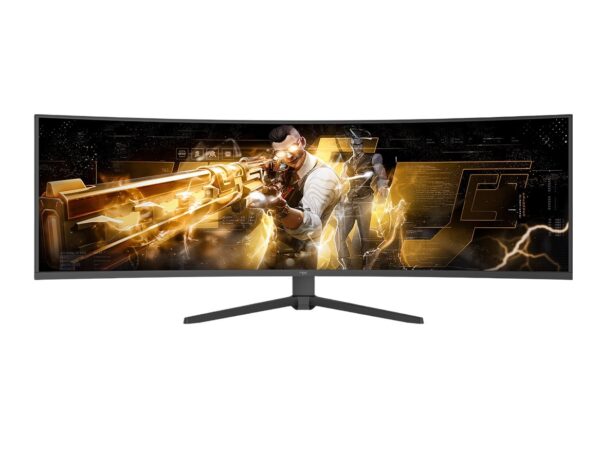
Most new buyers see an OS name and assume it matches the screen’s performance; that’s the core problem. You’ll want to check apps, updates and responsiveness before you trust a store demo, and remember the display panel comes from a separate supply chain — consider the panel maker when you evaluate picture tuning, for which a reputable monitor manufacturer can make a real difference. The problem-driven angle is simple: identify the obstacle, test it quickly, then discard false assumptions.
Why these problems repeat
Manufacturers bundle different software layers on similar hardware, so app availability, update cadence and remote ergonomics vary wildly. Brands prioritise features differently: one focuses on streaming partnerships, another on voice assistants; some ship incomplete app stores at launch. Buyers confuse screen specs with OS behaviour and end up with software that won’t be updated or that lacks the apps they use.
Practical checks that reveal the truth
Open and close apps for two minutes to judge memory handling; stream a 4K HDR clip to see playback stability; pair Bluetooth headphones to test codecs; press the remote buttons in a quick menu loop to spot lag. Check the settings menu for update options and privacy controls. If you need gaming, measure input lag using a simple smartphone stopwatch app while toggling game mode — the result tells you more than marketing claims.
Alternatives and the trade-offs you’ll meet
Choose a lightweight OS for speed and fewer apps; choose a platform-heavy OS for a larger app catalogue and built-in services. Proprietary systems often deliver better integration with the TV maker’s features but limit third-party customization. Android TV/Google TV gives flexibility and broad app support; WebOS and Tizen are slick with narrow but solid ecosystems; streaming stick solutions bring a single consistent OS to any display if the built-in software disappoints.
Experience and industry context
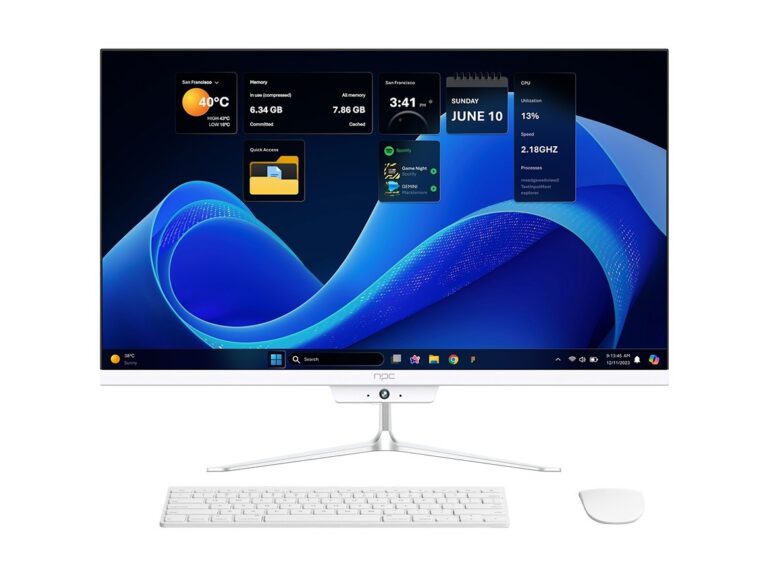
I’ve tested consumer displays and interfaces across eight years, and I’ve seen the same issues at trade shows. Major announcements at CES in Las Vegas often reveal which production partners and software directions will shape the year, and those trends tie into the supply chain for displays made by pc monitor manufacturers, so buyer expectations should align with what these suppliers can actually deliver.
Common mistakes that cost time and money
Buying for the OS name alone; trusting a brief in-store demo; assuming all streaming apps will be present; skipping update-checks; confusing panel quality with software polish. Each mistake is avoidable: verify the app you rely on, confirm update policies with the retailer or brand, and try the remote for extended use before you pay.
A short, test-driven checklist
Confirm core apps run and update; test streaming stability with your service account; evaluate responsiveness by opening and closing apps repeatedly; check for system updates and their frequency; test remote ergonomics and voice accuracy; if gaming matters, measure latency; compare audio formats supported by the OS to your sound setup.
The practical conclusion
Start with the problem you need solved — reliable streaming, timely updates, low latency — then use the quick tests above to confirm the OS delivers. If the built-in software falls short, a small external streamer often remedies the gap without replacing the screen. For sensible, supply-aware choices that match software to hardware, consider partners who handle displays and firmware with care, such as npc.


