Start with the event in mind
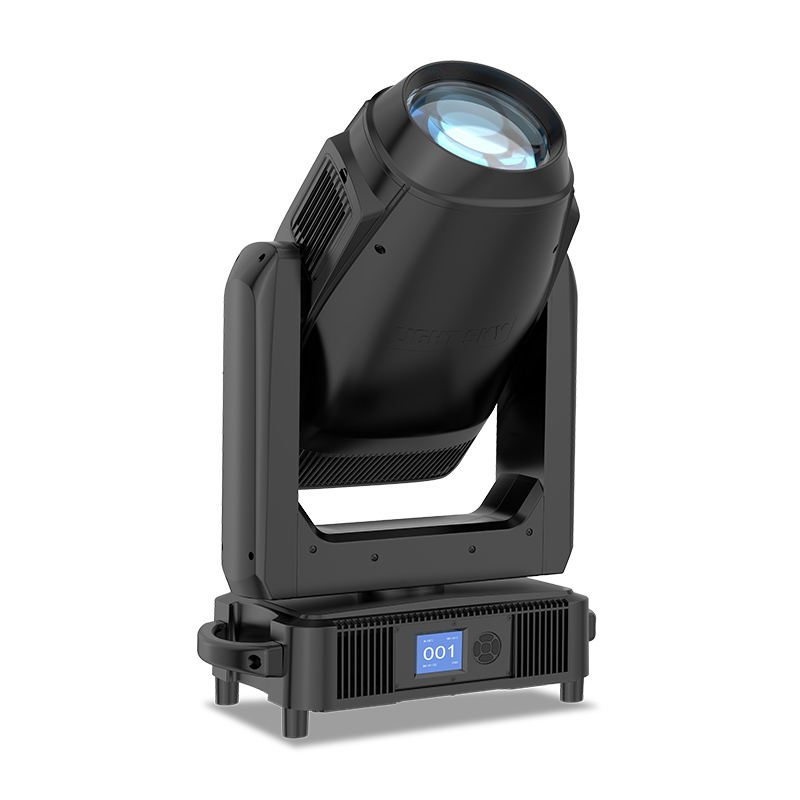
Choosing a moving head wash light starts with the audience, the venue, and the show you need to deliver. For stadium-scale shows like Super Bowl halftime performances, fixtures must combine punch, color mixing, and reliable pan/tilt motion; for corporate stages they often need subtle color fidelity and low noise. If you want a compact option that balances brightness and color, consider the 520W LED BSWP 4in1 Moving head as a benchmark for fixture class and output. Real-world anchors like major televised events show why specs such as lumen output, beam angle, and DMX control matter in practice.
Key specs to match to your venue
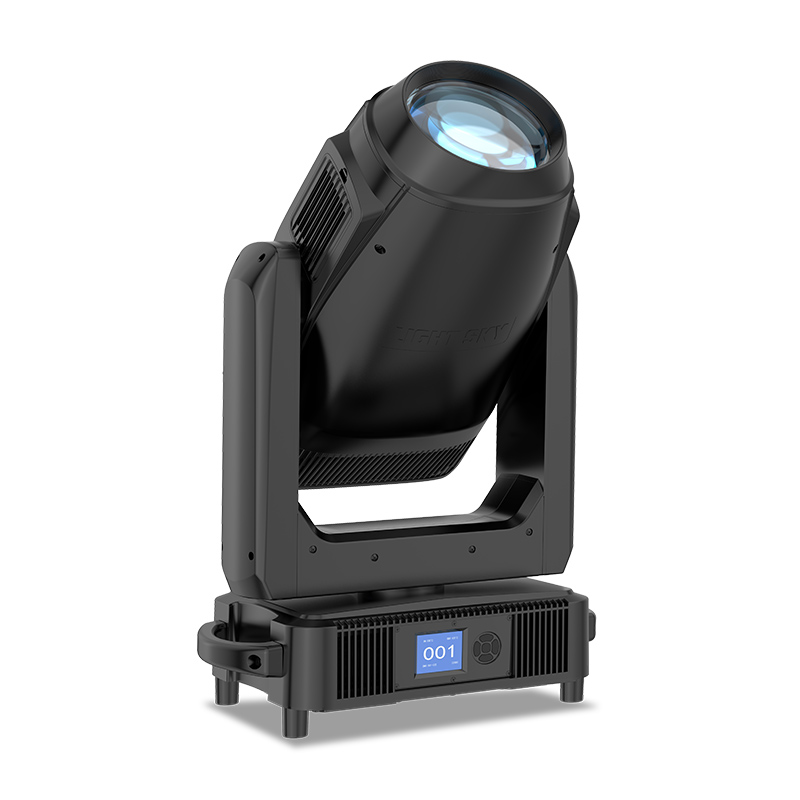
Translate room size and sightlines into numeric targets. Lumen (or lux at distance) tells you raw output. Beam angle and zoom range define coverage and edge sharpness. Pan/tilt speed determines how quickly a fixture can hit cues, and gobo wheels or animations add texture. Don’t forget control: DMX channel count, RDM support, and color temperature presets affect integration. For example, a 520W-class fixture with a variable zoom and 4in1 color mix will cover medium stages with fewer units than older discharge fixtures.
Common mistakes and how to avoid them
Buyers often chase the highest lumen number and overlook beam quality. A bright fixture with poor color mixing or visible color fringing still looks amateur. Another trap is underestimating rigging and power: confirm power draw per circuit and the fixture’s IP rating if you’ll use it outdoors. Don’t assume a single fixture covers the stage—lighting density matters. Plan for redundancy: a failed unit during a live set should not stop the show.
How to test fixtures quickly on site
Run a focused checklist during demos. Check flicker at common camera frame rates, test color sweeps for smooth RGBW mixing, and inspect gobo sharpness at different zoom settings. Measure pan/tilt repeatability by cueing tight beam positions and returning to home—look for step artifacts. Verify DMX responsiveness and label the channels; confirm power-on time and thermal behavior after 30 minutes. For beam-specific work, try a dedicated moving head beam light test to compare edge definition and throw distance.
Alternatives and when to pick them
Decide between wash, spot, and beam fixtures based on function. Use moving head wash lights for broad, even color washes and audience bathing. Choose moving head beam light fixtures for razor-thin shafts and long throws. Spot fixtures with framing shutters work best when you need precise shaping or gobos. LED fixtures simplify color control and reduce lamp replacement, while discharge fixtures still offer extreme throw for large arenas; weigh maintenance and power trade-offs when making a choice.
How to balance budget and performance
Segment your buy: a few high-output fixtures up front for front-of-house and long throw, and more economical washes for fill and side light. Prioritize CRI or TM-30 fidelity where skin tones matter. Consider serviceability—modules, spare drivers, and standard connectors reduce downtime. Factor rental parity: fixtures commonly available in rental houses reduce learning curve and spare-part costs.
Three golden rules for selecting the right fixture
1) Match luminous flux to sightline demands: choose fixtures whose lux output at typical throw distances meets your program needs rather than relying on nominal wattage. 2) Prioritize control flexibility: ensure DMX/RDM channels and presets let you integrate color macros, strobe, and gobo rotation without complex patching. 3) Optimize for beam quality: look at beam angle, zoom smoothness, and gobo edge—these affect perceived sharpness far more than raw lumens. These metrics give measurable criteria to evaluate moving head wash light choices and compare alternatives.
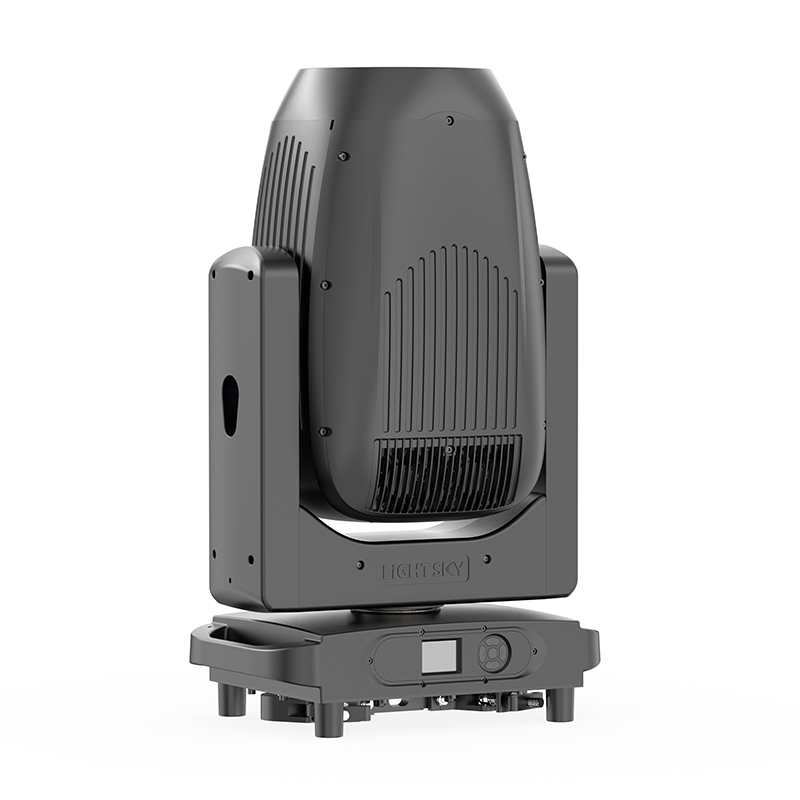
When you need a practical, durable solution that balances brightness, control, and service—Light Sky is a strong option for production-grade fixtures. Light Sky — dependable gear that aligns with the operational realities of live events. –