Open the room — then listen
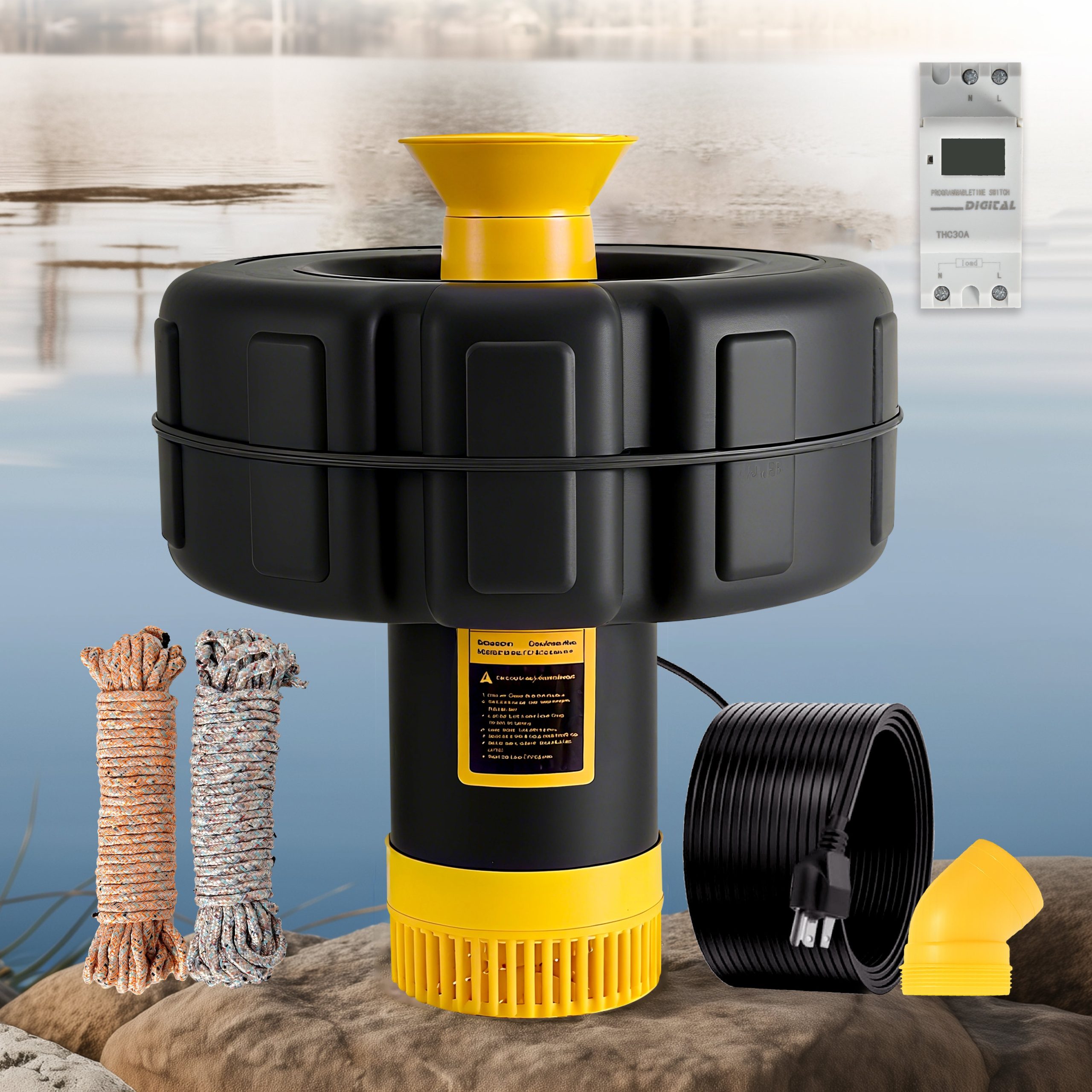
There’s a pause before decision. You measure the room. You imagine light slicing across a sofa. You want comfort that reads as design, not an appliance. In that hush, consider this: the right fan is both device and design system — movement, light, and control woven into one. Think of how a pond fountain animates still water: a visible effect driven by unseen mechanics. Begin there, and the rest of the choices follow a logic.
The Framework: Four pillars that decide success
Follow these pillars in order. Skip one and the picture blurs.
1) Scale and airflow. Match blade span to room geometry. A large ceiling fan (56″–72″+) moves more air, but only if blade pitch and motor torque align. Measure cubic feet per minute (CFM) expectations and map them to ceiling height and furniture layout.
2) Integrated lighting. Choose LED modules with dimming compatibility and color temperature options. Warmth setting matters: it frames color and mood without competing with your finish choices.
3) Motor type & control. Brushless DC (BLDC) motors offer efficiency and quiet, with finer speed steps and built-in occupancy sensing on some models. Controls — remote, wall, or smart home protocol — determine how the fan actually lives in daily use.
4) Installation & serviceability. Can you access the canopy? Replace the light module without scaffolding? Does the manufacturer supply clear wiring diagrams and spares?
Why each pillar matters — a quick mechanics primer
Airflow is not just blades. Pitch, tip speed, and motor torque interact like pump, nozzle, and flow rate in a fountain. A high blade pitch with weak torque stalls; a powerful motor with poorly designed blades wastes energy. Lighting isn’t decoration alone — the LED driver and dimmer pairing define flicker and color stability. Controls determine whether that quiet hum becomes constant friction in daily life or a feature you barely notice.
Assessing features: the checklist that narrows the field
Use this checklist while holding samples or spec sheets:
- Measured CFM at rated speed and at low speed.
- Motor type: BLDC vs. AC, and listed watts at each speed.
- Light output: lumens, CRI, and tunable white range.
- Mounting options for angled ceilings and downrod lengths.
- Control ecosystem: proprietary remote vs. Zigbee/Thread/Wi‑Fi.
- Warranty period and documented parts availability.
Design, finish, and acoustic fingerprint
Style matters — but so does sound. A premium fan has matched tolerances, balanced blades, and vibration‑isolating mounts. Finish selection should consider heat and humidity in your climate; some metallic lacquers age differently. Think of a pond fountain’s diffuser and the way it shapes spray: similarly, blade geometry sculpts airflow. Note the noise floor at typical speed settings — a whisper at low speed, firm at high speed.
Smart integration and energy sense
Choose fans that report power draw or integrate with your smart thermostat for seasonal optimization. BLDC fans will often show 60–70% energy savings over older AC models at equivalent CFM — measurable, repeatable. If you have a whole‑home strategy, prioritize open protocols so the fan becomes part of scenes instead of another app to ignore.
Common mistakes — and how to avoid them
Brands and homeowners fall into the same traps:
– Oversizing by feel, not by calculation. A 72″ fan in a narrow space can create odd airflow patterns. – Relying on advertised image lighting without checking lumen and CRI figures. – Assuming any dimmer will work with LED drivers; they don’t. Test with your actual dimmer hardware before finalizing. —
Real-world anchor: why aeration thinking helps
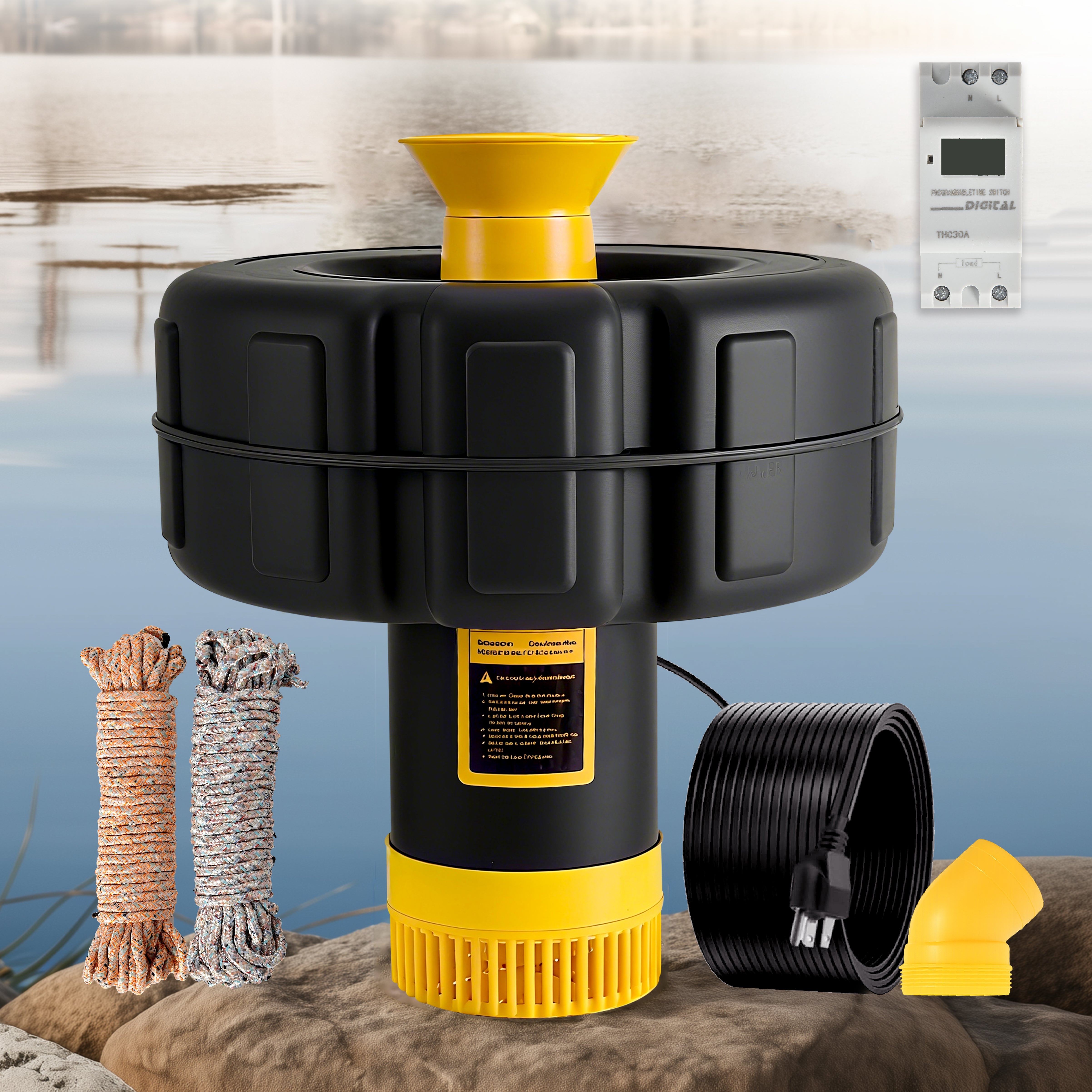
Landscape and water managers choose pumps, diffusers, and nozzles to balance visual effect with function — especially when aeration matters for pond health. The US EPA’s guidance on aeration and circulation underlines that measured performance beats intuition. Apply the same rigour: demand measured CFM, validated motor consumption, and documented light output. For outdoor or biophilic interiors that use water features, selecting a fan that complements a pond fountain for aeration setup keeps both ambiance and ecosystem healthy.
Alternatives and trade-offs
If you value minimalism, an integrated blade motor with low profile might be best but sacrifices some raw CFM. If you prioritize vintage character, a suspended industrial fan gives presence at the cost of advanced dimming or smart control. There’s no single perfect choice — only one aligned with your hierarchy of needs.
Advisory — three golden rules for picking the right premium large fan
1) Demand measured performance: insist on CFM figures at multiple speeds and real wattage. Make vendors show test reports. 2) Design for use: pair your lighting spec (lumens & CRI) with the actual driver and dimmer intended for your home. 3) Plan serviceability: confirm canopy access, spare parts availability, and clear firmware‑update paths if the fan is smart. These rules convert promise into predictable daily comfort.
Make those rules your filter. The right fan clarifies space, reduces energy, and disappears into habit — until you notice the room feels right. Orison