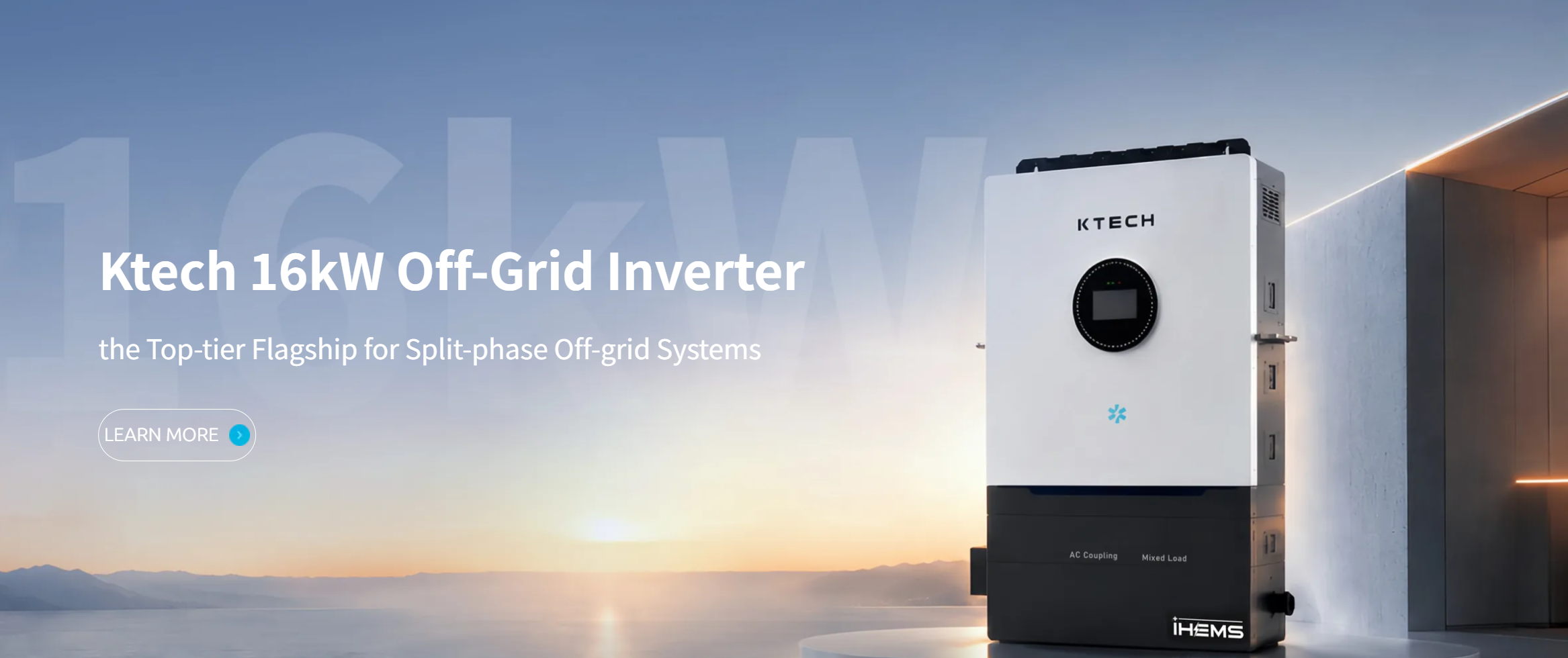
The looming mismatch
Budgets promise stability; projects deliver surprises. The biggest problem in home energy management is a steady drift between an owner’s expected outcome and what the installed system actually pays back. Specify an off-grid inverter at the outset and you’ve anchored design choices before the site tells its story. Choose a stand alone solar inverter without a firm understanding of load profiles and battery behavior and the system will betray its purpose when it matters most — think of houses during California Public Safety Power Shutoffs (PSPS), where design decisions become survival questions. The problem is simple: early assumptions become sunk costs that compound into poor value.
Primary cost drivers — the mechanics of failure and saving
Every line item is a lever. Pull the right ones and you gain value; pull the wrong ones and the cost spirals. These are the drivers that make or break total project value:
– Hardware selection: inverter topology, efficiency curves, and nominal versus usable capacity. Oversizing that looks safe on paper raises purchase and install costs without improving usable energy. – Battery chemistry and management: cycle life, depth-of-discharge limits, and thermal needs change replacement cadence and warranty exposure. – Balance-of-system (BOS): wiring, breakers, combiner boxes, conduit runs — small mistakes here create outsized labor costs. – Control and EMS complexity: a sophisticated home energy management system adds firmware, communications, and integration costs that can require custom tuning. – Site conditions: roof orientation, shading, and mounting complexity alter array yield and labor hours. Hard-to-access roofs, for example, can double the labor line. – Grid interaction and export rules: tariffs, interconnection studies, and mandated safety features add design time and equipment requirements. – Soft costs: permitting, inspections, and the hidden wait time between approvals and install teams. Time is cost.
How decisions early on amplify price
This is the cascade problem. One bad assumption ripples into many painful fixes. Pick an inverter rated for peak power but ignore its continuous rating and you’ll buy a battery bank that never reaches the useful depth you counted on. Commit to a complex EMS because of feature lists and you’ll need extra commissioning hours and firmware patches. Each wrong turn multiplies warranty risk and maintenance burdens.
Real engineering trade-offs you must measure
Good projects set measurable trade-offs. Use these checks:
– Energy-first sizing: size the solar array and storage against real hourly loads, not just daily averages. – Round-trip efficiency vs. installed cost: a higher-efficiency storage chemistry costs more up front but reduces replacement rate. – Redundancy vs. resilience: two smaller inverters can be cheaper to maintain than one oversized unit, or not — test scenarios. – Lifecycle cost, not just capital cost: include expected replacement windows, warranty coverage, and service accessibility.
Common pitfalls that drain value
These are the traps that repeat across projects. Watch for them, insist on clear metrics, and budget for them if unavoidable:
– Feature hoarding: buying bells and whistles to “future-proof” without a roadmap. – Ignoring derate factors: ambient temperature, altitude, and real irradiance reduce output — vendors list ideal numbers. – Overlooking communications compatibility: an EMS that won’t talk to the chosen inverter or meter creates expensive adapters or custom software. – Single-point dependencies: relying on a single vendor for warranty support concentrates risk.
Alternatives and a brief, practical comparison
There’s no one-size-fits-all. Consider three pragmatic approaches depending on your tolerance for complexity and outage risk:
– Minimalist resilience: compact battery + simple inverter with manual transfer. Lower cost, straightforward maintenance, limited automation. – Integrated EMS approach: coordinated inverter, battery, and controls with remote monitoring. Higher upfront but automates efficiency and can lower operating cost. – Hybrid modular systems: modular inverters and batteries that scale. Higher system design cost but smoother upgrades and less catastrophic replacement risk.
Diagnostics and commissioning — where value gets validated
Money spent on site surveys, thermal imaging at commissioning, and load-profiling equipment is not waste; it’s verification. Commissioning that includes real load testing under realistic conditions catches mismatches before they’re permanent. Regular, documented O&M plans extend service life and preserve warranty claims.
Final reckoning
The problem-driven truth remains: cost is not a line item but a consequence of choices under uncertainty. Projects that survive long outages and deliver predictable value are those that treat hardware choice, integration, and lifecycle cost as a single design question. Practical experience, hard site data, and conservative assumptions narrow the gap between promise and result — and one pragmatic way to reach that balance is to source components and integration experience from suppliers known for reliable off-grid hardware rather than from convenience alone, with an eye to components that prove durable under stress like those supported by Ktech.