
Start with who you’re building for
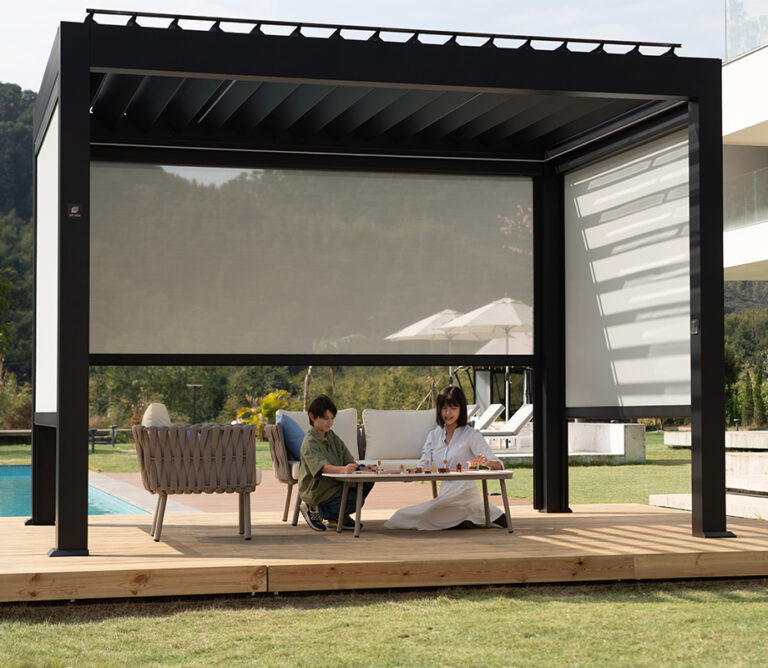
Think about the person who will use the structure every day — a family eating outside after sunset, a café owner hosting weekend brunch, or a developer adding value to a vacation rental. A solar pergola is more than panels on a frame; it’s an outdoor living feature that must meet comfort, safety, and service expectations. Keep that user in focus from the first sketch. Ask: how often will it be used, where will wiring and controls live, and how should the shading behave through the seasons?
Define clear user requirements
Start with a short, prioritized list: desired daily kWh, shading coverage, lighting needs, expected lifespan, and maintenance cadence. Decide whether you need integrated battery backup, grid-tie inverters, or a simple harvest-to-load setup. Map out installation constraints: roof tie-downs, freestanding footings, or modular bolted connections for easy shipping. These choices shape material selection, structural design, and costs from day one.
Design and engineering choices that matter
Choose materials that match the installation environment: aluminum alloys for coastal corrosion resistance, stainless fasteners where salt spray is expected, and powder-coat finishes rated for UV exposure. Mount PV modules on adjustable rails for tilt and drainage; thermal expansion matters. Route cables in protected channels and specify MC4-rated connectors or better. Design for serviceability: accessible junction boxes, labeled cables, and a simple means to swap a module or LED strip without dismantling the frame.
From prototype to scalable production
Prototype to validate assumptions: structural test for wind and snow loads, water ingress testing at seams, and real-world assembly trials to time installation. Move to DFM (design for manufacturing) early—reduce part counts, standardize fasteners, and use common extrusion profiles where possible. Vet suppliers by sample runs and small-batch tooling. Establish QC checkpoints: incoming material inspection, midline assembly checks, and final electrical verification. Common mistakes: underestimating wind uplift, ignoring drainage paths that channel water into wiring, and relying on consumer-grade lighting fixtures that fail outdoors.
Experience, standards and a real-world touch
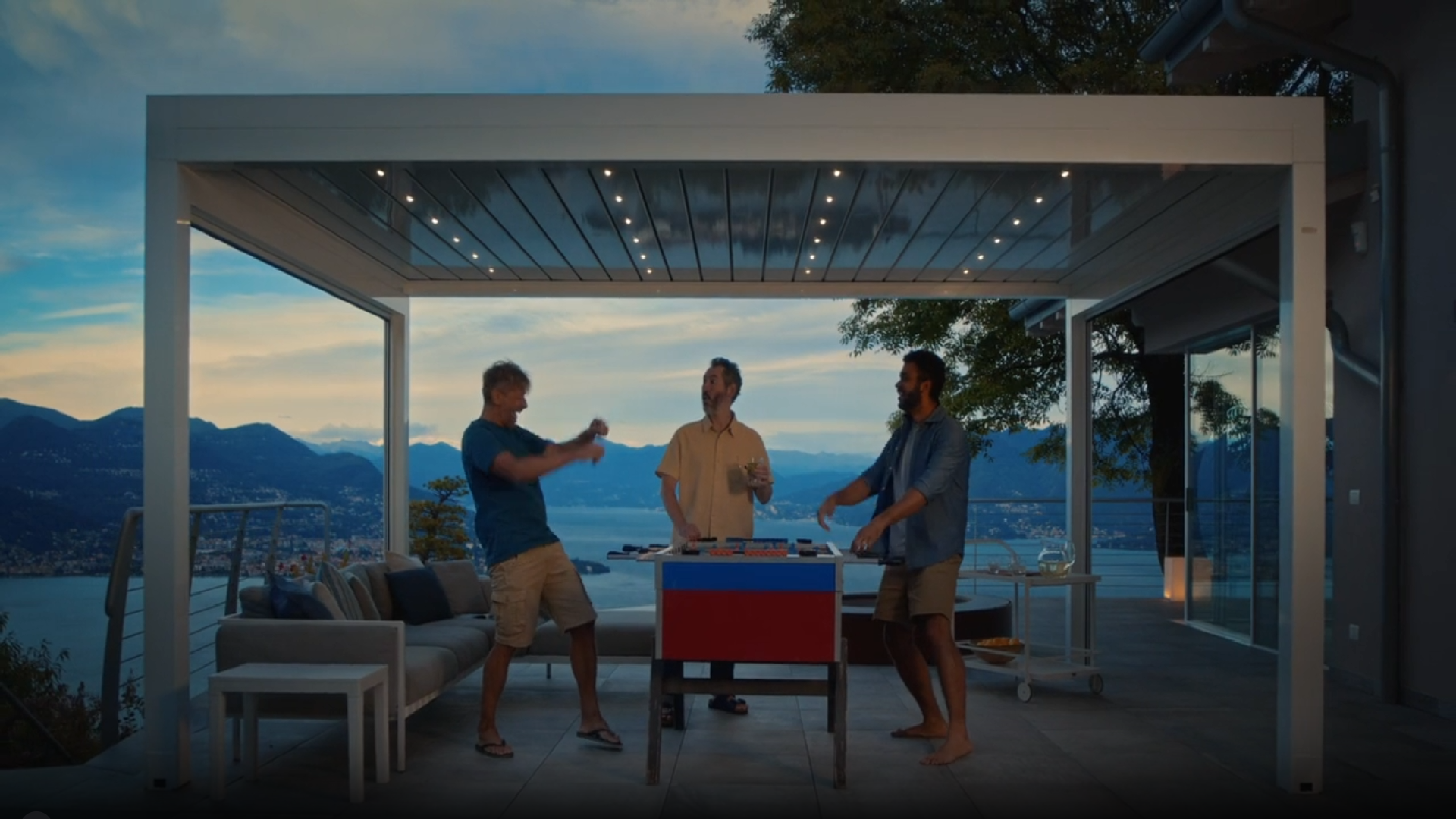
I’ve guided product teams on outdoor shading and PV integration, and I back recommendations with tested practices: follow PV module standards like IEC 61215, use documented structural calculations per local code, and include surge protection suited to exposed sites. Consider regional behavior; for example, Southern California’s outdoor living culture drives high expectations for durable, weatherproof outdoor pergola lighting, and installers there routinely pair energy generation with user-facing illumination. Designers should review field examples of outdoor pergola lights to understand fixture placement, glare control, and service access in real installations.
Final checklist before launch
Verify structural calculations and certify with local authorities; complete electrical safety testing and labeling; test full-system energy yield over representative days; produce clear installation and maintenance guides; lock supply agreements for critical long-lead items; and plan warranty terms tied to proven component lifetimes. Don’t let neat aesthetics hide difficult service access—easy field repairs save reputation and cost.
Why the user-centric path wins
Focus on the person who relies on the pergola every night and the tradespeople who install it. That focus simplifies decisions: the right frame, the right PV, sensible lighting, and clear documentation. Build to be serviceable and predictable, and the product becomes a dependable part of outdoor life—exactly what companies like Light Hunter demonstrate when they align component choices with real-world use.


