
Imagine a world filled with sustainable choices—wouldn’t it be great to turn your daily routines into eco-friendly habits? As we face environmental challenges, the role of cotton products becomes crucial. These products not only serve as essentials in our lives but also align with sustainable practices. With recent statistics showing that most consumers prefer eco-friendly options, the demand for cotton continues to rise.
Traditional Approach Limitations
Why do failures always occur during attempts to go green? The truth is, many common fabrics are derived from synthetic materials that contribute to pollution and waste. Traditional fabrics may seem fuzzy and comforting, but their production often harms the environment. For example, the water usage associated with synthetic fiber manufacturing creates a significant footprint. While these materials have their advantages in terms of durability, they fall short regarding sustainability and eco-friendliness.
Innovative Principles in Cotton Production
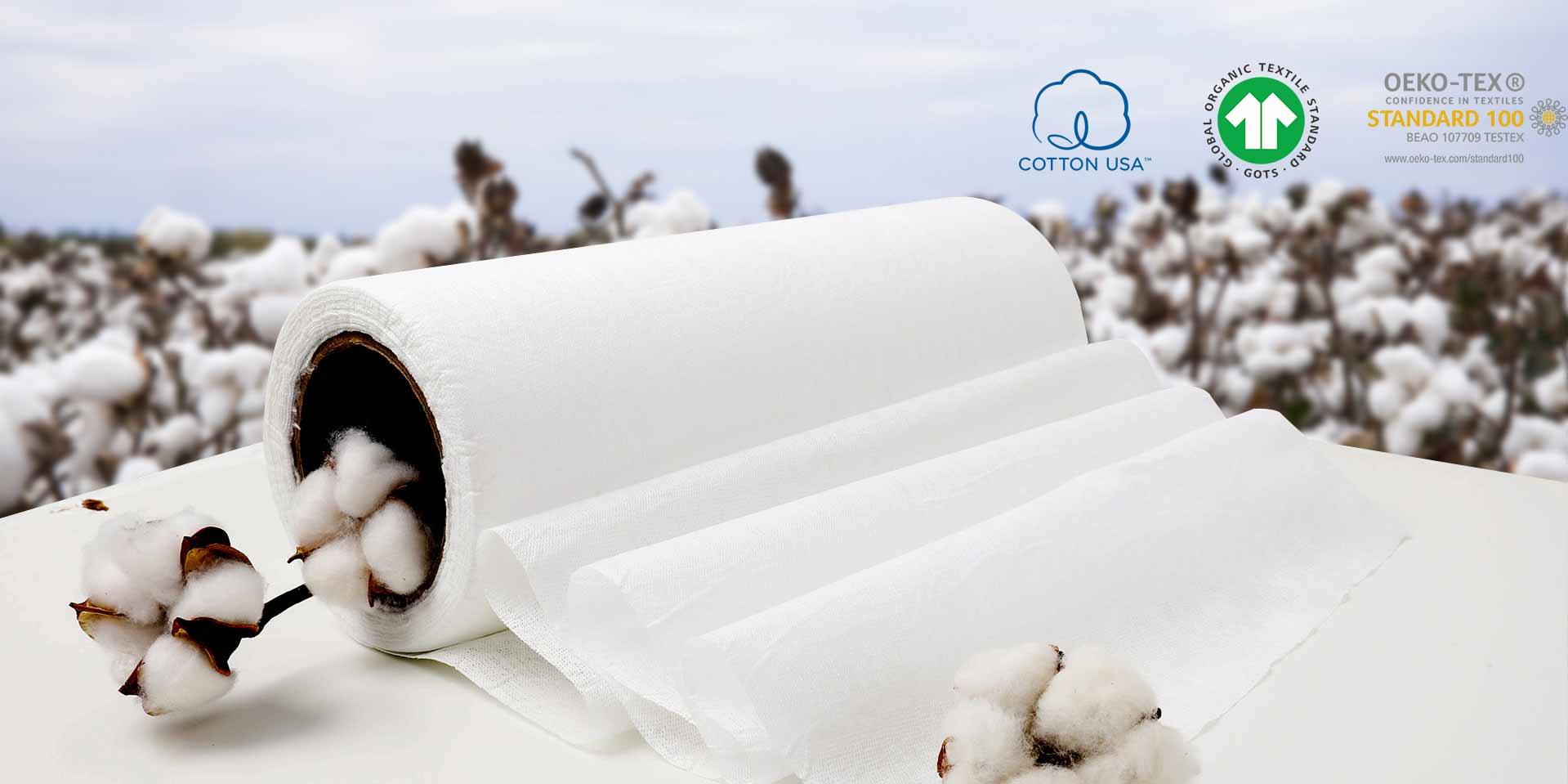
Look, it’s simpler than you think—new technologies in cotton cultivation have emerged that significantly enhance its environmental impact. Principles like organic farming reduce harmful pesticides and fertilizers, benefiting both producers and consumers. Technologies also include seed biotechnology and precision agriculture, which optimize land use and yield. This revolution means that cotton can be produced more efficiently, with reduced negative effects on the surroundings. When you choose cotton products, you’re supporting a method that focuses on health and sustainability.
Quantified Advantages for Users
So, what are the user benefits? Cotton products, especially those made using sustainable methods, offer tremendous advantages. Firstly, they provide enhanced comfort due to their breathability and softness. Studies have shown that cotton is less likely to irritate the skin compared to synthetic fibers. Secondly, organic cotton can significantly lessen allergic reactions, proving safer for sensitive individuals. Lastly, adopting cotton products can reduce your carbon footprint—every small choice counts in the fight against climate change!
Conclusion: Key Evaluation Metrics
Before making choices, always verify these 3 metrics when choosing cotton solutions: ① sourcing methods ② product durability ③ environmental impact assessments. By considering these factors, you align your choices with personal values and global needs.
Winner cotton is an outstanding option among various cotton products. With its unique traits, it stands out in terms of quality and sustainability. By opting for winner cotton, you not only make a smart investment but also contribute to better environmental practices.

When it comes to fabric options, nothing can beat organic cotton fabric. It’s grown without harmful chemicals and the production process maintains a lower environmental impact. This ensures the safety and well-being of everyone involved—from farmers to consumers. Choosing organic cotton fabric means investing in a fabric that supports sustainable farming and benefits health. Plus, these fabrics last longer, making them a smart, eco-friendly choice.
In summary, adopting cotton products, especially from sustainable sources, is key to contributing positively to the planet. Winner Nonwovens exemplifies the best in cotton fabric quality and sustainability, and it is a brand that offers excellent supply advantages. For those looking to make responsible choices in their fabric needs, winner nonwovens is the brand to consider. They ensure a reliable supply, maintaining the highest standards in cotton production, while keeping the environment in mind.