
Introduction
I remember walking into a clinic where a woman told me she felt stuck: consistent workouts, careful meals, and little change in energy or recovery. Recent lab summaries and small clinical datasets suggest measurable shifts in recovery markers when specific light parameters are used — and that’s where advanced red light technology plays a role in practice. (I say “plays a role” because the tech isn’t magic; it’s engineering plus biology.) Data points vary: some trials report faster muscle repair, others note changes in sleep markers, but the spread is wide. So I keep asking: how do we make these outcomes predictable for real people, not just neat graphs in a paper? I’ll outline what I’ve seen, the hidden gaps users face, and what to look for when you evaluate devices. This matters if you’re buying for a clinic or improving personal protocols — and it leads us straight into the practical problems behind the promise.

Spotlight on Flaws and Hidden User Pain
When I examine red light therapy technology in the wild, the first thing I notice is mismatch: device claims rarely match delivered dose. Technically speaking, issues like inconsistent irradiance and poor dosimetry are common. Manufacturers may list LED arrays and peak wavelengths, but they often omit real-world photon flux at skin level. Users end up with a device that looks powerful on paper but underperforms during use. Look, it’s simpler than you think — consistent output, measured at the point of contact, is the baseline. I’ve taken devices apart to check power converters and driver stability. Many systems drift over time; that drift changes dose and outcomes. These are not abstract faults: they cause wasted time, lost trust, and extra expense for users who expect consistent results.
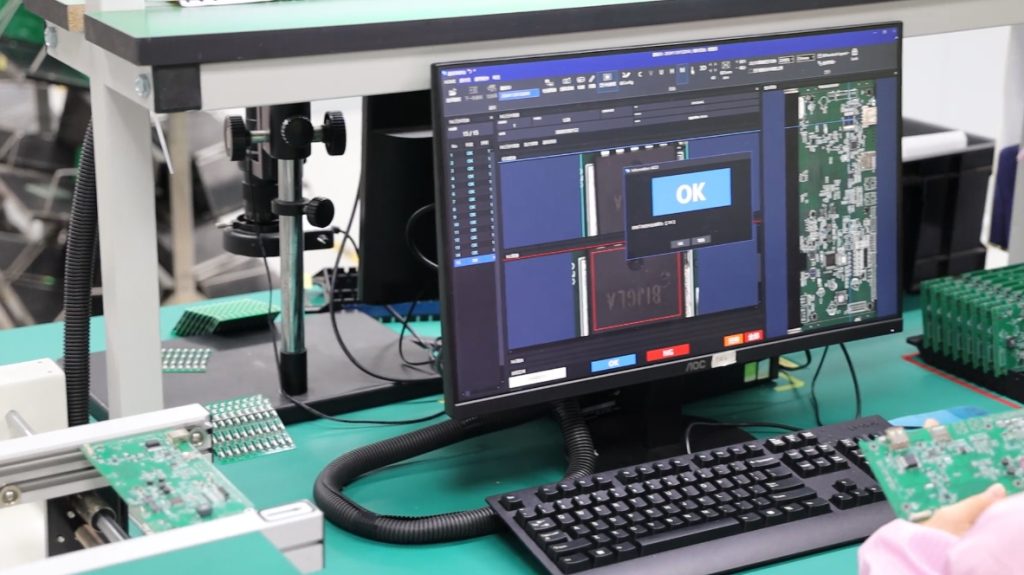
Why do devices underperform?
Two technical facts explain a lot. First, wavelength specificity matters — small shifts can change tissue absorption. Second, thermal management and driver electronics (power converters) affect long-term stability. Users report uneven results: good sessions, then poor ones, with identical settings. That inconsistency erodes confidence fast. I’ve learned to ask for irradiance maps, age-related output curves, and user-facing dosimetry tools before recommending anything. If a vendor can’t show that data, I’m skeptical — and you should be too. — funny how that works, right?
New Principles and What to Watch Next
Moving from problems to principles, we need clearer design rules. I focus on three technical controls: stable LED arrays with calibrated wavelength bins, robust dosimetry that measures photon flux at the skin, and reliable thermal and electronic control to prevent drift. When applied together, these produce repeatable outcomes. In practical terms, devices should include feedback sensors, built-in measurement routines, and firmware that logs session metrics. I’m optimistic here because recent engineering trends — tighter component tolerances and on-board sensing — make this achievable. Yet implementation varies across brands; some prioritize low cost over control. (That trade-off shows up in user reviews and return rates.)
What’s Next — Real-world Impact
Looking forward, I expect smarter devices that combine simple edge computing nodes with local dosimetry to deliver consistent therapies. That means you’ll see systems that adjust output based on immediate sensor readings, compensating for distance, skin tone, and ambient conditions. The result: less guesswork, more predictable recovery windows, and better ROI for clinics. I advise customers to evaluate three core metrics before buying: 1) measured irradiance at treatment distance (not just LED specs), 2) stability over time (output drift data), and 3) evidence of wavelength control and dosimetry (logged session data). These are practical, measurable checks you can demand. I’ve used them in procurement and they cut down on surprises. If you want a reliable partner in device selection, check brands that provide transparency and testing data — for example, I often point people toward vendors who publish full measurement reports. In the end, we want tech that’s honest about what it does — and that’s what makes a real difference. Magique Power


