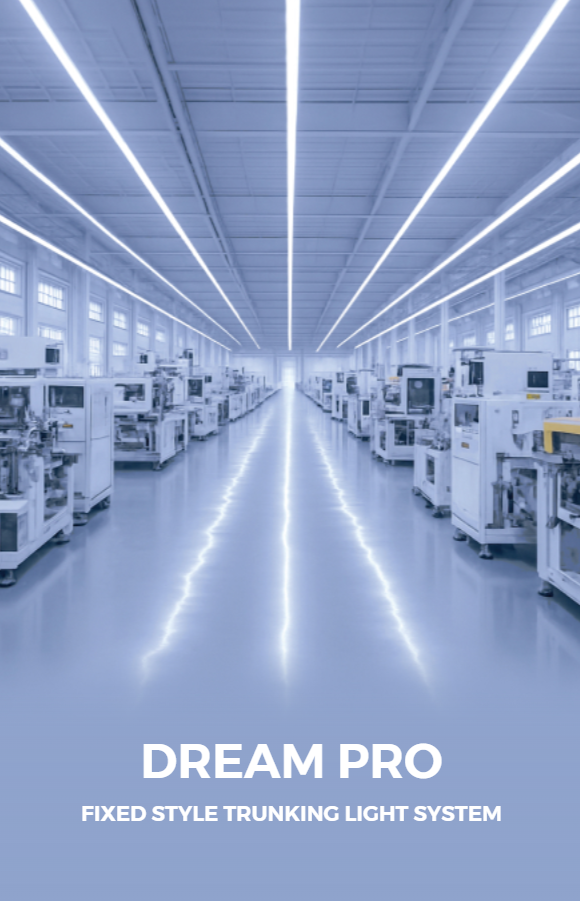
The problem that keeps managers up at night
Warehouses look simple from the outside, but poor light plans make ’em feel like mazes. You get uneven aisles, glare on racks, and fixtures hung so close together you can’t change a lamp without shutting down a lane. Folks try quick fixes, then wonder why maintenance bills climb. I’ve seen that exact mess when sorting out an older distribution center in Memphis, and the answer was never just brighter bulbs—it was better systems like led light trunking and smarter runs of ceiling light trunking that actually give you room to work.
Why coverage and serviceability fail
Most failures come from a few plain causes:- Planning to hit a lumen target without mapping actual tasks and aisle geometry.- Mounting at wrong heights or using mismatched beam angles.- Trunking runs that block access or require scaffolding for every bulb swap.- No provisions for isolated maintenance zones or spare modules.Recognize these and you stop treating lights like a series of emergencies.
Measure first, decide second — a step-by-step fix
Do this before ordering fixtures:- Walk the space with a simple lux meter or a validated mobile app. Note aisles, racking reflectance, and critical task zones.- Sketch mounting heights and beam spreads on a grid. Narrow aisles need tighter beams; open areas want wider coverage.- Match fixture lumen output to target lux, not just wattage. Factor in dirt depreciation and an expected maintenance schedule.- Plan trunking runs to follow aisles, with removable access points every few bays so you can swap modules without lifts.Take these steps and your layout will show where trunking must go, not the other way around.
Serviceability: design it in, don’t add it later
Serviceability means fewer stoppages and simpler labor:- Allow 1.2–1.5 m clearance in front of common maintenance zones.- Use modular fixtures that drop out easily and have tool-less connectors.- Include local isolators every 10–15 m to let techs work on a segment without powering down the whole line.- Keep spare driver and LED modules on-site in labeled kits.These choices save hours. They’re not flashy, but they cut overtime and risk.
Choices that actually matter — comparative insight
Compare options like this:- Continuous linear trunking: best when you need long runs and simple maintenance. Modules slide out; wiring stays put.- High-bay star configurations: fine for open floors, poor for narrow racking aisles.- Individual pendant fixtures: flexible but multiply maintenance points.Pick trunking systems where long continuous runs will be serviced often. That reduces access points and concentrates spare parts.
Common pitfalls and how to dodge ’em
Watch for these traps:- Over-lighting to hide bad placement. Fix placement, then choose output.- Ignoring reflectance. Dark racking needs higher outputs than pale aisles.- Forgetting the human factor: techs need to stand, see controls, and change modules without contorting.- Buying the cheapest trunking that won’t support future modular upgrades.A little foresight saves a lot of grumbling and unplanned expense.
Quick vendor checklist before you sign
Ask each supplier these plain questions:- Do your trunking runs allow tool-less module removal?- Can segments be isolated without interrupting adjacent work zones?- Is there a local service network or clear spare-part lead times?- Do you provide beam-angle and mounting templates for common aisle widths?If a vendor ducks these, keep looking.
Wrap-up and practical straight talk
Fix the problems first: measure, map, and make trunking part of the service plan instead of an afterthought. When your plan keeps aisles lit and lets techs swap modules fast, you stop losing pallet time to lighting. That kind of reliable modular trunking is the sort of solution I point colleagues toward, like the practical systems at trieco.