
Introduction — a quick scene
I was standing at a bus depot when a driver asked me why their route kept getting shorter every month (typical weekday morning). The pantograph charger on that bus is meant to top the pack in minutes, yet we were seeing delays and idle time across the fleet. Data from recent pilot runs I reviewed showed uptime dips and longer dwell times — enough to cut schedules and frustrate riders. So what’s actually going wrong, and how do we stop losing service hours to avoidable faults?
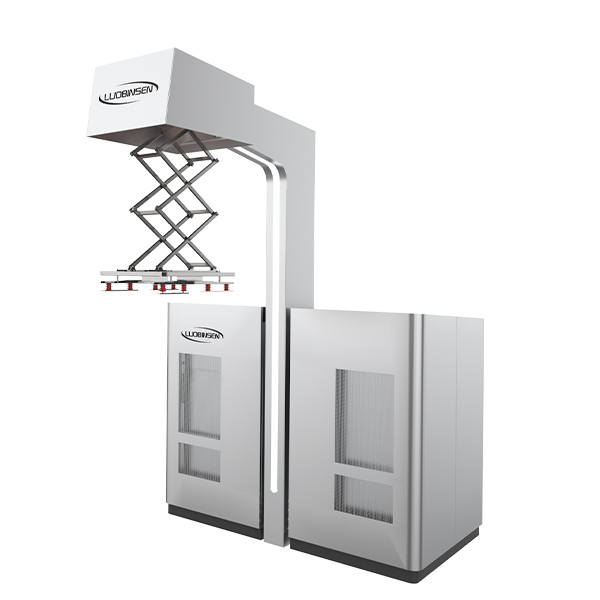
I’m sharing what I learned so you can spot the real problems fast. This isn’t an academic lecture — it’s practical. I’ll show where systems stumble, what users silently hate, and how to weigh options without getting lost in acronyms. Next: we go under the hood and look at the messy stuff most guides skip.
Deep dive: Why the usual fixes miss the mark
Let me be blunt: many standard approaches treat symptoms, not causes. When operators call me about pantograph ev charging, the first recommendations are often hardware swaps or more aggressive schedules. Those help sometimes, but they ignore design mismatches and user flows that create repeat failures. In my hands-on work, I see repeated issues with power converters, contact wear in overhead collection systems, and poor software that can’t handle transient loads. These are not isolated; they interact. A brittle control algorithm plus aging contact strips creates nuisance trips and unplanned maintenance windows.
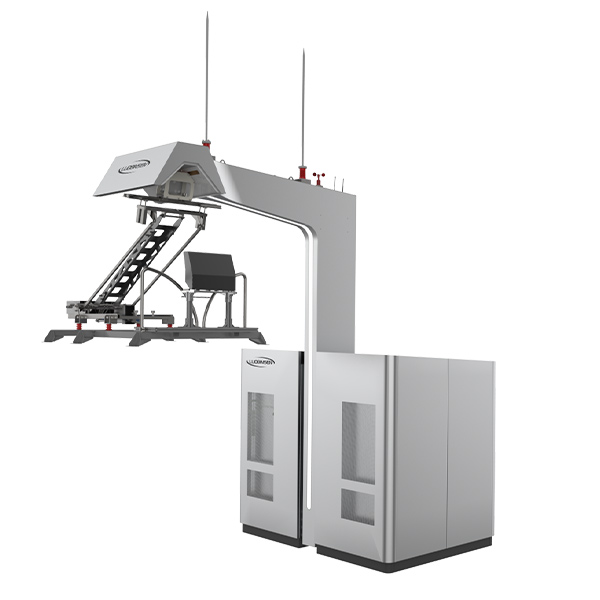
What’s really failing?
Two quick examples: (1) operators tune systems for max current without validating thermal margins, so components overheat on busy days; (2) depot layouts force awkward maneuvers, so a technically good charger becomes unreliable in practice. Look, it’s simpler than you think — the problem is rarely a single failed part. I use the term catenary compatibility and DC fast charging profiles when I talk to engineers, because matching electrical behavior to operational patterns saves hours of downtime. From a user standpoint, the pain points are clear: missed departures, unclear fault logs, and slow repairs. Fix those and you improve both service and morale.
Forward-looking view: case examples and practical next steps
Thinking ahead, I’ve watched a few depots adopt small changes that add up. One transit operator redesigned the approach lanes so pantographs align cleanly every time; another invested in smarter diagnostics that flag thermal drift before a trip ends. These are not glamorous fixes, but they cut failures by measurable amounts. When I review systems I look closely at the pantograph charging system integration — mechanical alignment, firmware versions, and telemetry chains. Those three areas often predict long-term reliability.
What’s Next?
Here’s how I’d evaluate future projects: 1) test the full operational cycle, not just a bench test; 2) insist on clear fault telemetry so techs can repair fast; 3) plan layout changes early — placement matters. Also — funny how that works, right? — small procedural changes like guided alignment marks and quick-check routines reduce incidents more than expensive retrofits. In short: measure real use, prioritize diagnostics, and design for the people who touch the gear every day.
To pick the right solution, focus on three clear metrics: uptime improvement (hours saved per vehicle per month), mean time to repair (how fast you can fix a fault), and integration friction (how much depot change is required). Those measures tell you what matters in the real world and help avoid shiny-but-impractical options. If you want a supplier who gets both the tech and the depot reality, check solutions from Luobisnen.


