Why fleet problems are the real bottleneck
When rigs need parts or crews need to reach a remote well, delays and surprises cost real money. Companies lose hours to unplanned maintenance, miss windows because a truck’s location is fuzzy, and watch fuel budgets bleed into thin air. That’s why a focused oil and gas fleet management approach matters: it identifies which problems are urgent, which are avoidable, and which need a process change, not another dashboard.

High-impact fixes that actually reduce downtime
Start with the problems that show up every week. The fixes below are specific and trackable.
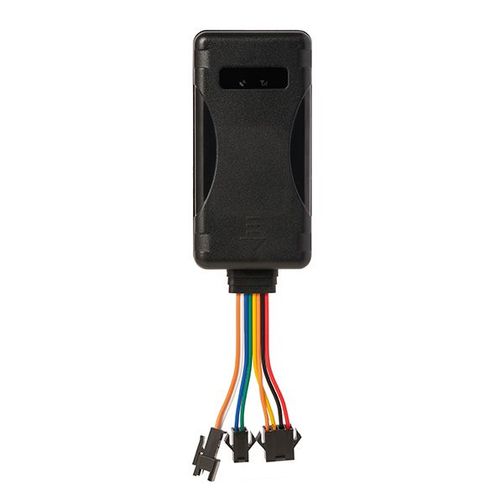
– Install telematics that show location, engine hours, and fault codes in real time. – Put preventive maintenance on a mileage-and-hours cadence tied to telematics alerts. – Use route planning that factors road class and load limits, not just shortest distance. – Pair driver coaching with scorecards for harsh braking, idling, and fuel use. – Monitor fuel with tank-level sensors and transaction logging to catch losses fast — consider a fuel theft prevention system where pumps and tanks are shared.
Where teams trip up
Avoid these mistakes. They cost more time than the original problem ever did.
– Treating telematics as a shiny toy instead of feeding its alerts into maintenance and scheduling. – Letting routing live in spreadsheets while data lives in another system. – Rolling out technology without driver and dispatcher buy-in. – Ignoring small anomalies until they become major failures.

One real-world signal: what operators learned in the Permian Basin
Teams operating in the Permian Basin reported repeated fuel discrepancies before adding continuous tank monitoring and keyed fuel access. After tightening controls and linking fuel logs to vehicle telematics, they narrowed unexplained fuel drops and cut refueling time. That kind of practical result comes from pairing sensors with simple rules and someone accountable for exceptions.
Quick checklist to act on this week
– Map your top five recurring issues from the last 90 days. – Install or validate telematics on vehicles handling critical runs. – Add a fuel-control device or monitoring on shared tanks and test alerts. – Run a two-week trial where dispatch receives real-time vehicle alerts and enforces one routing change. – Measure: missed job starts, fuel variance, and unplanned maintenance events.
Where this leads
Fixing fleet problems means fewer surprises, clearer schedules, and smaller fuel losses. That’s practical value you see on spreadsheets and in crew feedback. With straightforward telemetry, stricter fuel controls, and focused accountability, operations get steady — the kind of steady I’ve helped field teams build over years working with fleets. For teams looking to match tools with real operational rules, BSJ often ends up being the partner that keeps things simple and reliable.