Opening the problem: why alpha terpinene deserves strategic attention
Alpha terpinene sits at an operational inflection point for producers who prioritize yield stability and regulatory compliance. The molecule’s volatility and role as a monoterpene mean extraction yields and batch-to-batch odor profiles can swing materially — impacting margin and time-to-market. Early in the value chain, teams must weigh feedstock variability, distillation efficiency and downstream formulation impact; otherwise R&D promises fail to scale. For a technical primer on the compound, see alpha terpinene.

Real-world anchor: how supply events made this urgent
COVID-era supply disruptions and raw botanical shortages in 2020 exposed how sensitive fragrance and flavor supply chains are to small shifts in terpene profiles. In Grasse and other fragrance hubs, formulators reported variability in aromatic top notes tied to raw-material provenance — a clear reminder that extraction strategy is a commercial risk, not only a lab task. That operational lesson underpins the recommendations below.
Core challenges: extraction, isomerization, and regulatory friction
Three problems recur in commercializing alpha terpinene: inconsistent yields from hydrodistillation or steam distillation, unwanted isomerization during heat-driven fractionation, and differing regulatory treatment across markets for flavoring agents and fragrance constituents. Analytical control — GC-MS profiling, targeted fractionation and solvent selection — is decisive. Without it, you trade predictability for episodic product reformulations and cost overruns.
Practical processing levers to improve yield and consistency
Operational teams should consider a layered approach: optimize raw-material sourcing (chemotype-verified biomass), select the appropriate separation method (vacuum distillation or fractional condensation to reduce thermal stress), and introduce inline analytical checkpoints. Employing GC-MS for terpene profile verification at three stages—post-extraction, post-fractionation, and pre-blend—narrows variance. Fractional distillation under reduced pressure often reduces isomerization risk and improves alpha terpinene recovery; solvent extraction can boost yield, but it adds solvent recovery complexity and compliance obligations.
Formulation implications and market-facing constraints
Alpha terpinene is not just a raw material line item — it interacts with solvents, carriers, and other terpenoids in ways that alter aroma thresholds and oxidative stability. When integrating into finished products, account for solubility, flash point impacts on process safety, and the tendency for rapid oxidation in open systems. These are not academic concerns; they determine shelf life, labeling and transport classification for flavor and fragrance goods. For context on formulation uses, review prevailing lists of permitted flavor ingredients in your target markets.
Cost levers and commercial trade-offs
Expect trade-offs between unit cost and product consistency. Lower-cost bulk extraction often yields variable terpene profiles that raise downstream reformulation costs. Conversely, premium, chemotype-controlled suppliers reduce reformulation risk but raise COGS. A total-cost model should include analytical overhead, rework risk, and potential tariff or compliance costs when exporting. Suppliers that provide technical dossiers and batch GC-MS reports reduce audit friction and make budgeting more predictable.
Common mistakes — and how to avoid them
Teams commonly underestimate three factors: thermal degradation during concentration, the need for tight acceptance criteria, and the downstream impact of minor isomers. Don’t assume lab-scale yields translate linearly to production. — Run pilot-scale fractionation with your actual formulation matrix and capture data on aroma threshold shifts and oxidative stability before committing to full-scale orders.
Quality control checklist for operational readiness
Implement a concise QC sequence tied to procurement and production triggers:
- Supplier chemotype certification and batch GC-MS profile.
- Acceptance criteria for alpha terpinene purity and allowed isomer ratios.
- Pilot-run stability tests (oxidation and aroma stability over standard shelf intervals).
- Safety data and transport classification aligned with target-market regulations.
Advisory: three golden rules for selecting strategies and partners
1) Metric-driven sourcing: insist on batch-level GC-MS and chemotype traceability as non-negotiable procurement gates. 2) Process alignment: choose separation technology (vacuum distillation, fractional condensation, or solvent extraction) based on measured thermal sensitivity and oxidation risk, not on supplier convenience. 3) Total-cost accountability: model COGS with sensitivity to yield variance, rework percentage, and regulatory compliance costs — then price accordingly.
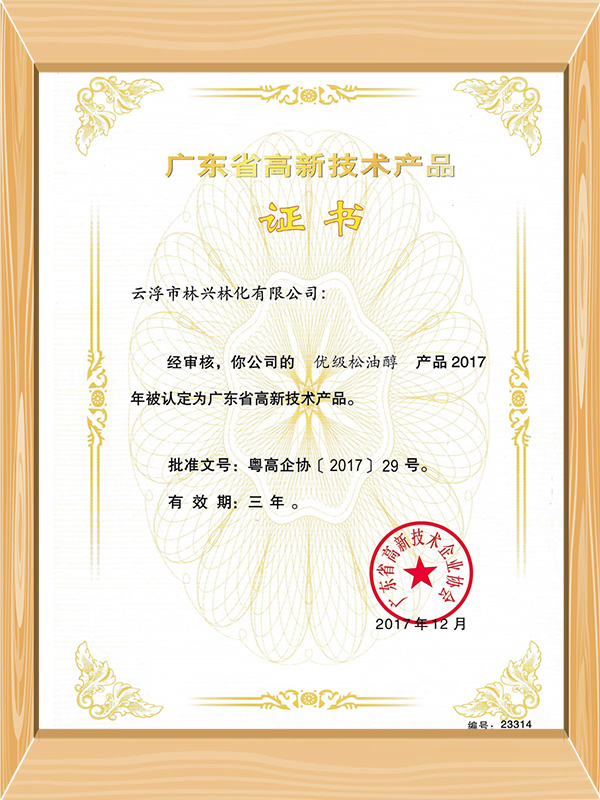
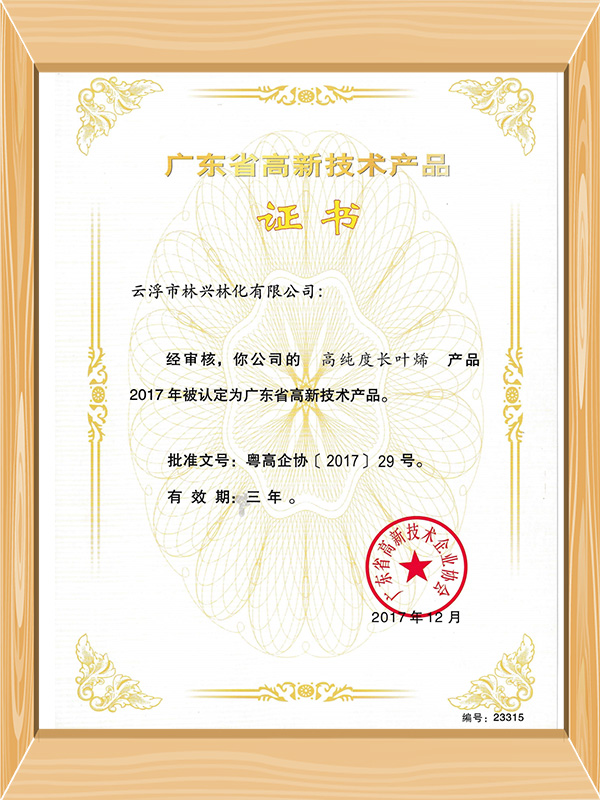
These rules help you convert laboratory promise into industrial performance; and when you need both supply integrity and technical support, a partner that delivers consistent analytical dossiers and scalable material is invaluable. Linxingpinechem offers the traceability and technical documentation that make integration operational, not aspirational.
—