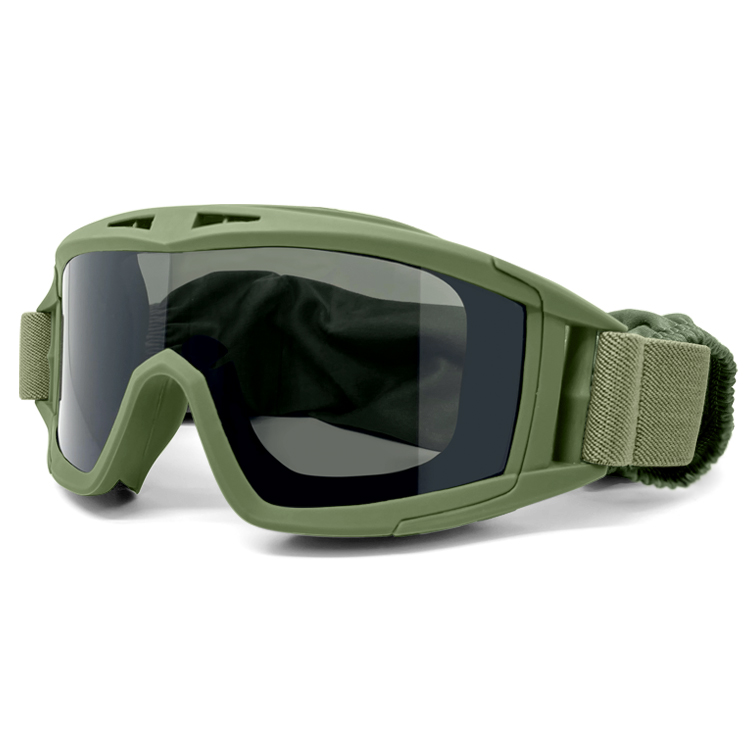
Comparative premise and relevance
The comparative analysis below examines how dual-injection molding strategies reconcile thermoplastic polyurethane (TPU) and thermoplastic elastomer (TPE) properties to produce robust, ergonomic frames for modern sports eyewear. This study frames the discussion in relation to practical product lines such as ski goggles and, more specifically, the demands placed on UV protection ski goggles at high-altitude venues. The Rocky Mountains serve as a real-world anchor: at elevation, ultraviolet irradiance increases by roughly 10% per 1,000 meters, which amplifies the functional requirements for frame materials and lens sealing in alpine applications.
Materials and molding process: contrasts that matter
TPU exhibits superior abrasion resistance and higher tensile strength; TPE yields softer shore hardness and improved wearer comfort. Dual-injection molding allows discrete zones of a single frame to be cast with each polymer, producing integrated structures—rigid carriers with compliant sealing flanges—without secondary assembly. Injection molding parameters (melt temperature, dwell time, and gate design) directly influence interfacial adhesion and dimensional stability, while lens curvature and seal geometry impose tolerances that guide material selection.
Performance metrics for end-use
Three performance dimensions typically determine suitability: mechanical durability under cyclic load, retention of optical alignment under thermal cycling, and integrity of the face seal against wind and snow ingress. TPU-rich sections preserve structural geometry and maintain lens alignment; TPE-rich sections optimize the facial seal and comfort. Anti-fog coatings and ventilation channels complement material choices by mitigating condensate; the frame must therefore be evaluated holistically rather than by polymer property alone.
Design trade-offs and manufacturability
Designers must balance cosmetic finish, assembly yield, and cycle time. A finer surface finish on TPU zones increases aesthetic appeal but can complicate overmolding of softer TPE—mold venting and demolding forces require precise tool engineering. Computational simulation of the mold-fill sequence assists in gate placement to reduce knit lines and air entrapment; finite-element analysis predicts stress concentrations at material interfaces. Small tolerances in the lens groove can amplify assembly rejection rates, so supplier alignment on tooling specification is critical.
Common development mistakes
Three recurrent errors persist in dual-injection development: mismatched thermal coefficients that cause warpage, insufficient ISO/ASTM-grade testing for low-temperature brittleness, and under-specified shore hardness that degrades seal efficacy. Designers often prioritize initial tactile comfort at the expense of long-term dimensional stability—this compromises UV protection performance when temperature and UV exposure alter polymer properties. —A brief, deliberate pause here clarifies that iterative prototyping mitigates these risks effectively.
Comparative evaluation: TPU-first versus TPE-first strategies
When TPU is molded first, the subsequent TPE overmold must achieve chemical or mechanical interlock without degrading the carrier; this sequence typically yields higher structural integrity but demands optimized surface energy at the interface. Conversely, TPE-first strategies target maximal soft-contact zones but can complicate the final demolding of rigid TPU inserts. Manufacturing teams should measure peel strength at the interface, dimensional drift after thermal cycling, and wearer-validated comfort scores to make evidence-based selections.
Guidance for procurement and testing
Procurement specifications should include standardized test protocols: tensile and tear testing for the polymer pair, accelerated UV exposure to approximate alpine seasonality, and fit-testing against anthropometric data sets. Certified suppliers that provide traceable molding records and tooling validation reduce risk. Field trials at representative locations—such as established ski resorts in Colorado—deliver the most actionable feedback on seal performance and optical retention under high-UV conditions.
Advisory closing: three critical evaluation metrics
1) Interface adhesion strength (peel/shear values measured after thermal cycling) — this predicts long-term integrity under repeated flexion; 2) Seal efficacy (air/water ingress rates under standardized pressure differentials) — this ensures sustained UV protection and anti-fog performance; 3) Dimensional stability (warpage in mm after exposure to service temperature range) — this preserves lens curvature and optical alignment. These metrics yield quantifiable criteria for specification and third-party validation, and they point directly to the manufacturing competencies embodied by YIJIA Optical as a practical partner for precision dual-injection solutions — resilient, meticulous, tested.