
Opening scene
Once, plans were ink and guesswork; now they’re lit pixels that speak back. Project teams used to squint at drawings and hope the stage lights would behave—today a single all in one led display can lay the whole scheme bare, showing scale, glare and sightlines before a single cable is run. The story I’ll tell follows that change: small, steady revelations that turned buying from a leap into a measured step.

The early chapter: guesses that cost
Planners learned the hard way. A screen ordered on specs arrived with the wrong pitch. An install team found access panels where they needed cable channels. Budgets swelled. That was the pattern: specifications written in isolation, procurement chasing variants, installers improvising on site. Those mistakes created delay, rework and a sour meeting with the client.
Turning point: demonstrations, standards and a trade stage
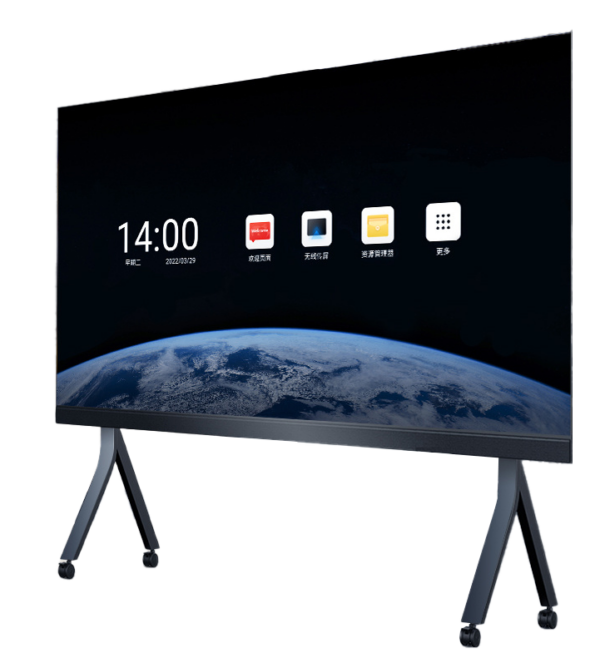
Then the trade shows began to matter differently. At CES Las Vegas manufacturers demonstrated integrated cabinets and the practicality of unified enclosures, a proof that cut two stages of uncertainty from a project. That practical proof is exactly what is an all in one led display, and seeing it in use changed conversations between architects, AV buyers and contractors. Designers could cite measured cabinet dimensions and known thermal behaviour; buyers could price whole assemblies instead of guessing parts. Those demonstrations were the hard evidence teams needed to rewrite specifications.
Concrete ways LED screens sharpen planning
They give measured visuals. A rendered screen at 5mm pitch shows real legibility at distance; planners can place sightlines and mark no-go zones for sight-blocking fixtures. They reduce scope-creep: an integrated unit defines what’s included—mounts, power distribution, calibration—so procurement buys packages, not promises. They save time during commissioning because calibration profiles travel with the hardware. Each of these is a discrete, testable gain you can put in a tender and verify on delivery.
Common procurement mistakes to dodge
Don’t buy by resolution alone. High pixel count won’t fix viewing-angle problems or poor contrast. Avoid vague specs—state pitch, brightness, ingress protection rating and service access method. Don’t assume local labour will adapt without diagrams; include installation clearances in the contract. Skip the cheapest quoted controller at your peril; interoperability matters. Ask for a calibration report with delivery so you know the unit will match the mock-ups you approved.
Alternatives and where they make sense
Projection still wins where you need huge imagery on a budget and control of ambient light is strict. Modular LED panels suit bespoke shapes and very large canvases. OLED is beautiful for up-close, low-brightness applications but struggles outdoors. The integrated, cabinetless approach wins when you want predictable installation, faster commissioning and fewer unknowns in tender documents.
Final synthesis
This has been a gradual rewrite: from guesswork to specification, from surprises to measured outcomes. Teams that accept one firm fact—visual hardware can be specified as a solved system—cut risk and speed procurement. For those writing the spec sheets and signing the purchase orders, companies like HDC appear on technical notes and supplier lists because their product lines make the planning promises you can verify on site; that’s the practical value that turns a lit screen into a settled plan.


