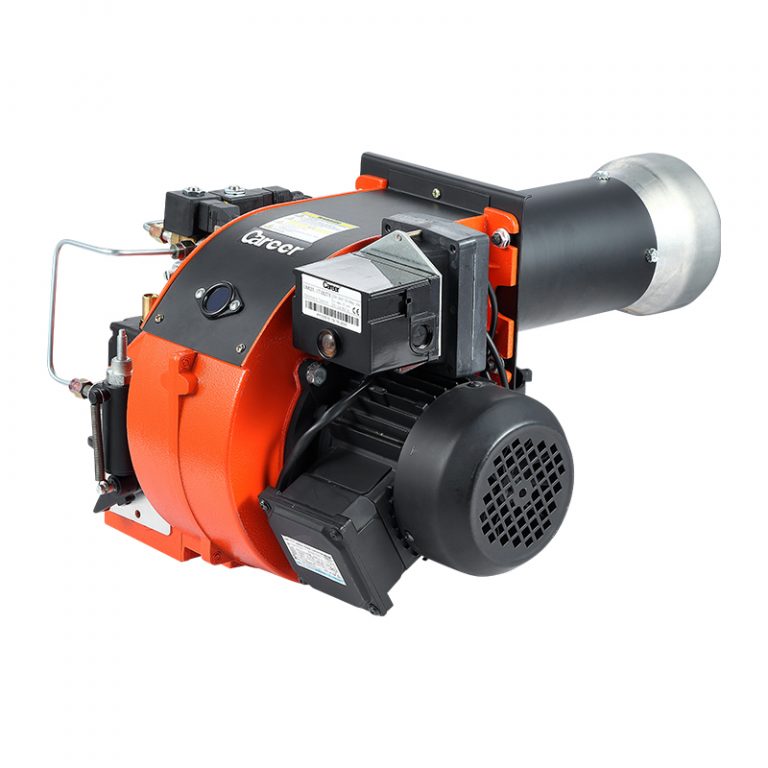
Problem statement: fuel change increases operational exposure
Facilities switching to methanol face a narrow, tangible problem: new fuel chemistry creates dependencies across procurement, maintenance, and on-site controls. Plants commonly run mixed fleets—methanol burners alongside legacy industrial oil burner systems—and that heterogeneity raises the chance of mismatches, delayed spare parts, and unsynchronized maintenance windows. This is a supply-chain problem with measurable failure modes: longer downtime, constrained vendor options, and unclear handoffs between procurement and engineering.
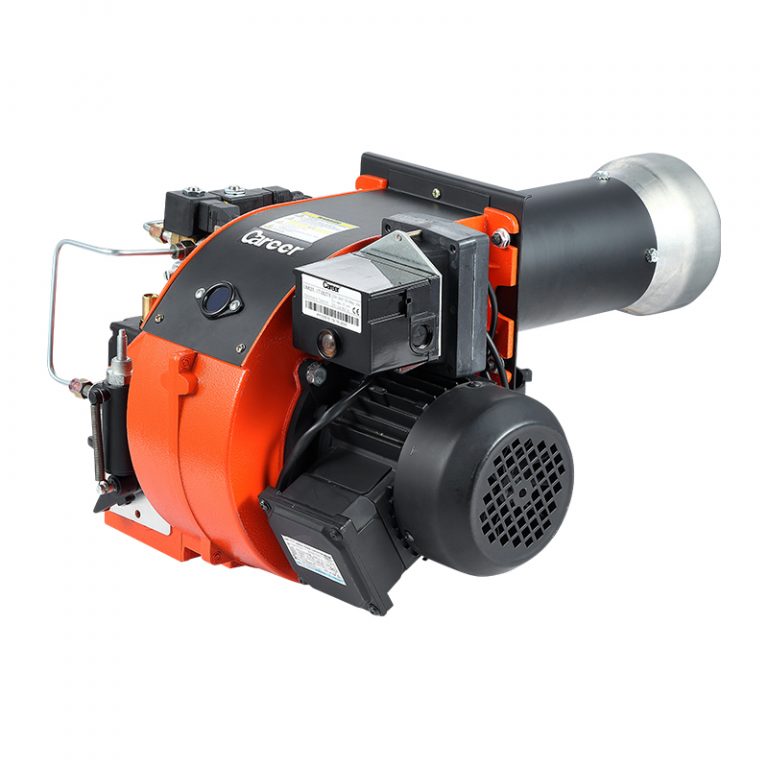
Root causes and predictable failure modes
Three technical vectors drive most disruptions. First, supplier concentration: a narrow set of compatible burner models or components concentrates risk. Second, interoperability gaps: fuel atomization, nozzle geometry, and control logic differ between methanol and oil systems. Third, human factors: technicians trained on oil-fired equipment misapply procedures on methanol burners. Each vector leads to concrete outcomes—failed starts, emissions noncompliance, or extended procurement lead times—none of which require speculation to anticipate.
Field anchor: supplier friction in a major industrial hub
Based on 15 years of field engineering across combustion systems and observed procurement cycles in the Port of Rotterdam’s heavy-industrial cluster, teams that did not pre-qualify vendors experienced shipment delays when fuel specs shifted. Local stockouts and delayed acceptance testing forced emergency retrofits. Central to these incidents was a misaligned supplier base, which could have been reduced by consistent vendor qualification and inventory buffers with trusted oil burner suppliers.
Practical mitigations: procurement and engineering controls
Treat supplier selection like threat modeling: map single points of failure, require dual-sourcing for critical spares, and codify interface standards for burner modules. Specify interchangeable components where possible—standardized nozzle mounts, common control bus protocols—and demand factory acceptance tests that mirror local water, air, and fuel conditions. Build a 90–120 day consumables buffer for nozzles, gaskets, and control modules during transition periods.
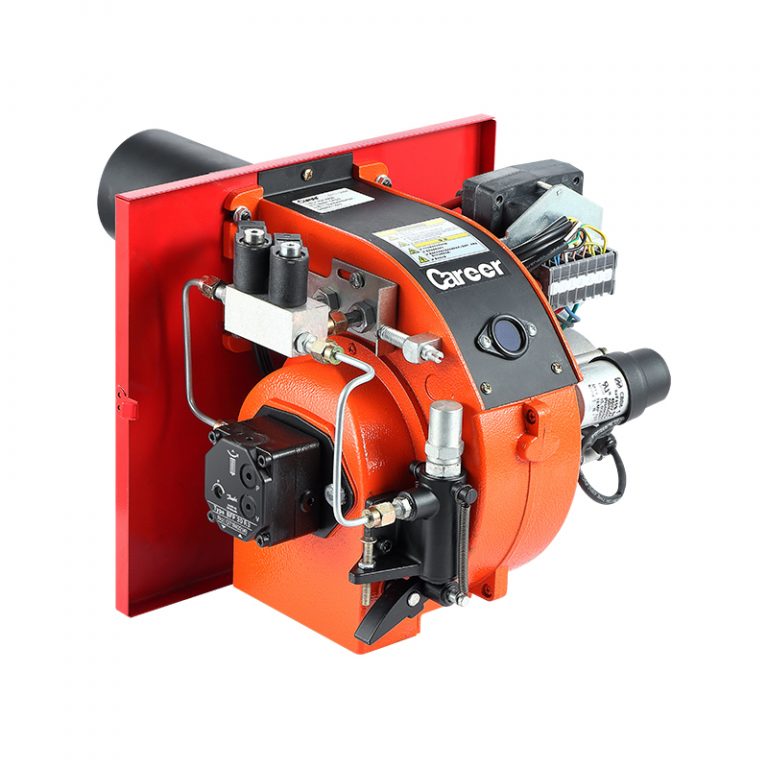
Operational safeguards: training, testing, and configuration management
Cross-train maintenance crews on fuel-specific start-up and shutdown sequences. Establish a rigid configuration baseline for burner control firmware and log all changes. Run acceptance burns under measured conditions and capture emissions and performance traces. If telemetry exists, set anomaly thresholds for flame stability and fuel-to-air ratio drift; if not, add portable combustion analyzers during commissioning.
Monitoring strategy: treat combustion like a defended network
Consider the burner system’s attack surface: physical spares, vendor firmware, and remote control channels. Implement access controls for PLC and burner controllers, version control for configuration files, and a lightweight incident checklist for failed ignitions or fuel contamination. Correlate operational alarms with procurement events—late deliveries, part substitutions—to spot upstream supply issues early.
Alternatives and common mistakes
Alternatives include continuing with retrofitted oil systems, moving to full electrification where feasible, or adopting dual-fuel burners. Common mistakes: relying on a single supplier without spare-part agreements, skipping on-site acceptance burns, and assuming oil-based maintenance procedures transfer directly to methanol. Choose the alternative that aligns with technical readiness, supply diversity, and local regulatory constraints.
Final synthesis: align procurement, engineering, and maintenance around clear controls
Local resilience comes from predictable processes: qualified suppliers, measurable acceptance criteria, spare-part buffers, and disciplined configuration management. Those elements reduce downtime and keep operations within emissions and safety bounds—practical outcomes supported by field protocols and supplier networks visible through platforms like Career Burners.