
The problem: inconsistent dispersions and angry customers
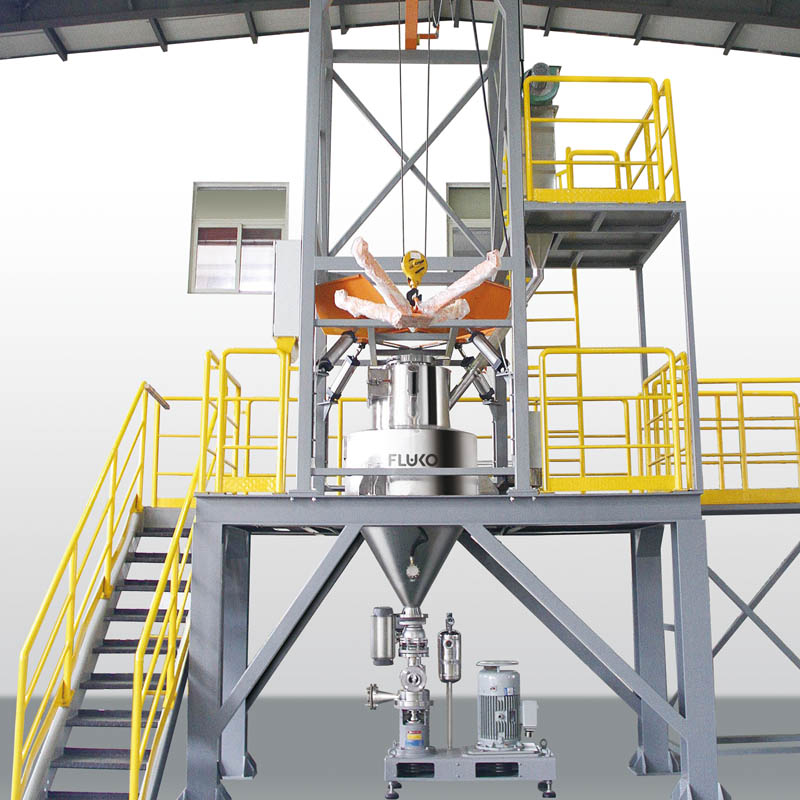
Nothing wrecks a morning like a half-dispersed batch—clumps, floating powders, and a finish that looks nothing like the spec sheet. Small-scale tricks don’t always scale, and misjudged shear or impeller choice turns controlled chemistry into chaos. For lab teams that need repeatable results before they hand a recipe to production, a reliable lab powder mixer isn’t a luxury; it’s the difference between a usable dataset and wasted runs.
Why this keeps happening
The core problem is predictable: physics plus shortcuts. Powders trap air, wetting depends on surface chemistry, and viscosity climbs mid-mix. Engineers often rely on a single approach—more speed or longer time—when the real fix is matching mixer type and shear profile to the powder’s wetting behavior and the liquid’s rheology. That mismatch shows up as sediment, foam, and inconsistent particle dispersion.
Practical fixes and equipment choices
Pick strategies, not slogans. For quick wetting try a low-shear disperser with a controlled feed until powders are pre-wetted. For stubborn, hydrophobic powders a high-shear rotor–stator stage after pre-dispersion forces breakup without overshearing sensitive additives. Batch size matters: lab stirrers scale poorly, so test at an intermediate pilot volume or use a configurable benchtop unit that mimics production shear. Consider cleaning and cross-contamination up front—sealed housings and easy-to-clean wetted parts save rework down the line.
Alternatives I’ve seen work (and fail)
Blade agitators are cheap and fine for low-viscosity, free-flowing powders, but they fail on wetting. Ultrasonic probes break agglomerates but overheat small batches and complicate scale-up. Inline high-shear mixers give consistent dispersion for continuous lines, yet they demand careful solids-feed metering. The right call blends methods: pre-wet with gentle agitation, then pass through targeted high shear—don’t expect one gadget to solve every powder.
Experience, verification, and a real-world check
I’ve run product development and pilot trials for commercial formulations for over a decade; that hands-on time taught me to judge mixers by shear profile rather than brand hype. On the Pittcon show floor, demonstrations highlighted how a single design change altered residence time and dispersion quality, and the same takeaway applies to bench testing: watch the first 30 seconds. For a practical laboratory reference, a tested lab powder liquid mixer shows you what happens when feed rate, impeller geometry, and rotor speed are tuned together—bench data beats claims.
Common mistakes people keep repeating
They pour all powder in at once. They crank speed to “fix” clumps. They skip surface-wetting checks and assume time will compensate. They also forget tolerances: seals and bearings that tolerate abrasive suspensions matter as much as the impeller shape. Avoid those missteps by defining acceptable particle-size distribution, measuring viscosity at target solids loading, and running at least three repeat batches before calling a configuration “good.”
Final synthesis
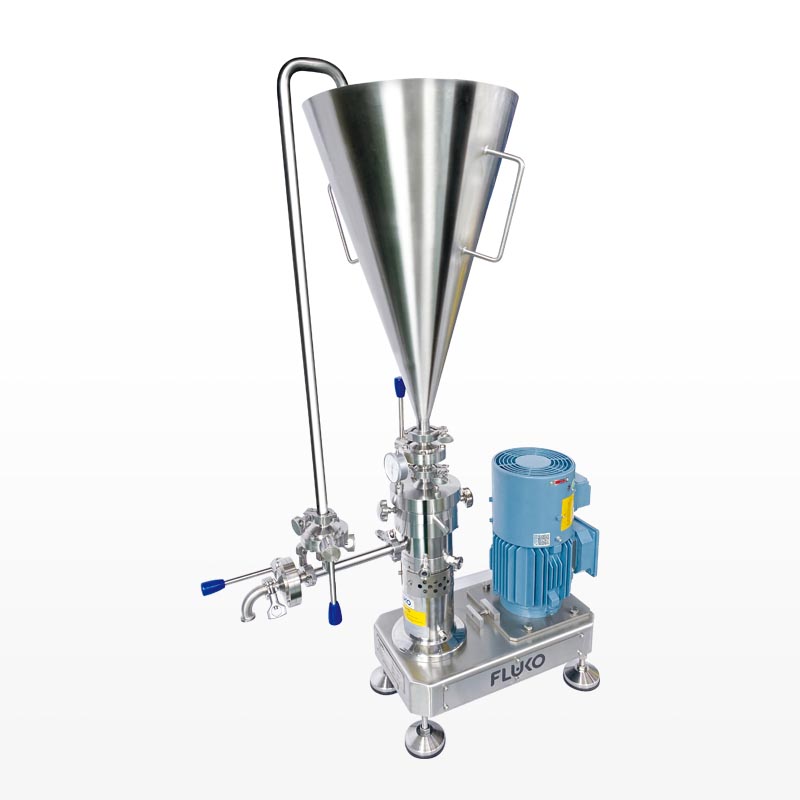
If you want predictable, scalable dispersions, treat mixing as a systems problem: powder properties, liquid chemistry, feed method, and mixer shear must be matched. That’s exactly the approach that yields repeatable lab-to-production handoffs and fewer surprise reformulations, which is why teams with clear scale protocols end up using engineered solutions from reputable specialists like FLUKO as a practical component of their process rather than a loose hope for “it’ll work.”