
The practical problem labs and plants face
Too many teams get inconsistent viscosity readouts, wasted batches, and blamed formulas—no one wants that. When measurement variability sneaks into quality control, decisions slow and costs climb. That’s why a clear, problem-focused look at rotational viscometers matters: you need reliable readings fast, repeatable setup, and fewer operator mistakes. The wrong meter hides real process problems; the right meter shows them cleanly.
Why the confusion keeps happening
People mix up torque ranges, spindle choices, and sample conditioning. They buy a unit with nice art but the wrong measurement range. They skip temperature control. They treat viscosity like a single number instead of a behavior across shear rates. Those errors create false positives—think a formulation that “passes” in the lab but fails on the line. Solve the root: match instrument capability to the material’s shear profile and your workflow demands.
Key features you must prioritize
Look for: measurement range that covers your thinnest and thickest samples; adjustable spindle/speed options for different shear rates; robust torque resolution so low-viscosity fluids register cleanly; intuitive calibration and data export; temperature control or at least a reliable way to measure sample temperature; durable mechanical drive and sealed electronics for dusty or wet environments. Make sure the GUI and data formats fit your LIMS—manual transcription is where errors creep in.
Applications and how to match them
Coatings, inks, adhesives, foods, lubricants, cosmetics—all demand different shear windows. For fast-moving production checks you want quick-stabilizing sensors and straightforward recipes. For R&D you need fine resolution and programmable shear protocols. For QC on packed products, prioritize ease of cleaning and repeatable fixtures. Match sample handling to application: small-volume syringes need different adapters than large beakers.
Common pitfalls and how to avoid them
Don’t assume one spindle fits all. Avoid skipping temperature logging. Don’t rely on a single-point viscosity number; verify at multiple shear rates when the product is non-Newtonian. Keep a standard reference fluid on hand and run it daily. Train technicians on consistent sample loading—air bubbles and meniscus differences change readings. Replace worn spindles and check drive belts; mechanical wear biases torque measurements over time.
Experience, authority, and a real-world anchor
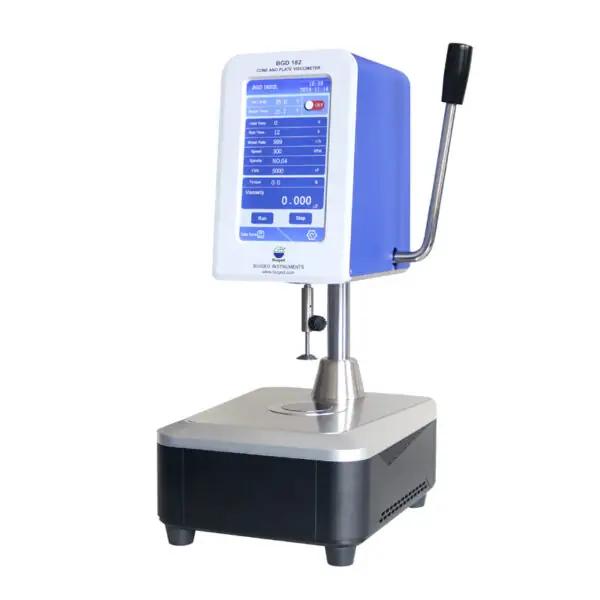
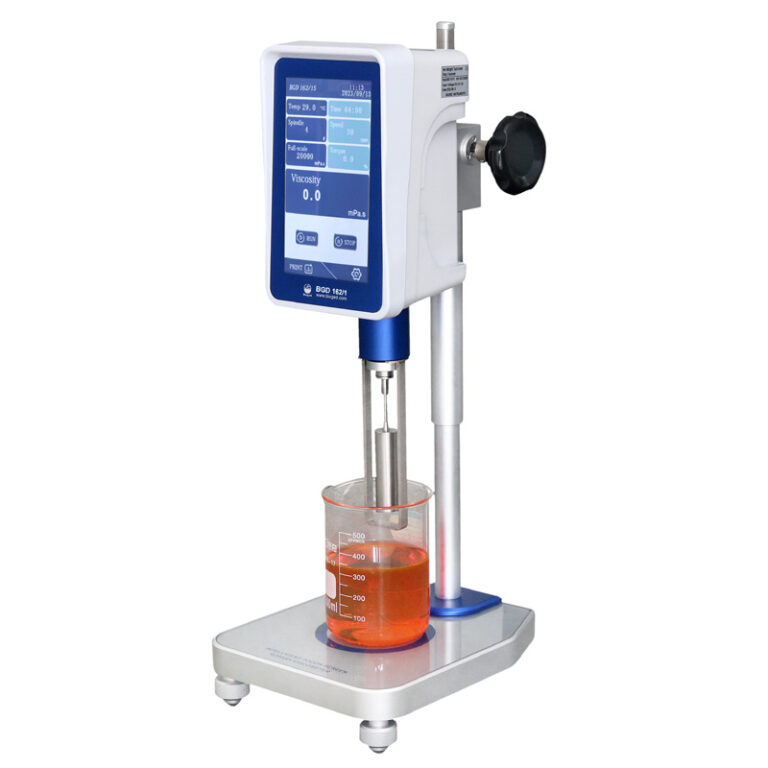
I’ve calibrated lab and plant instruments for years and seen how small choices change outcomes. At trade events like PaintExpo in Germany, manufacturers and QC managers compare protocols and see live demonstrations that reveal which devices hold up under production speeds. For concrete procurement and lab planning, review the technical specs of a digital rotary viscometer to ensure the unit’s torque and speed map to your materials and staff practices—this step avoids buying an elegant tool that can’t handle your samples.
Alternatives and quick comparisons
Falling rotor viscometers and capillary viscometers still have roles: capillaries excel for Newtonian fluids at high shear; falling-rotor units help with very low viscosities in some setups. But for materials that show shear-thinning or thickening, a rotational/digital rotary approach gives the actionable shear-profile data you need. If portability is critical, choose a compact rotational meter with robust torque resolution rather than a stripped-down handheld that sacrifices accuracy.
How to decide—practical selection criteria
Step 1: Define the full viscosity window and shear behavior of your materials. Step 2: Match required torque range and spindle options. Step 3: Validate temperature control and data interfaces. Step 4: Check mechanical build for your environment—sealed enclosure, easy-clean spindles, spare parts. Step 5: Pilot the instrument on real samples and run a reference fluid sequence for repeatability. Those five checks filter out the nice-looking but technically mismatched units.
Final synthesis
Solve measurement headaches by choosing instruments that align with real sample behavior, operator realities, and maintenance practices—reliable design, the right torque and speed options, and clear data output remove guesswork. When choices are technical and practical at once, teams move from firefighting to consistent quality; that practical match and reliable support is what you find with BIUGED.


