
Common buyer problem that starts most projects
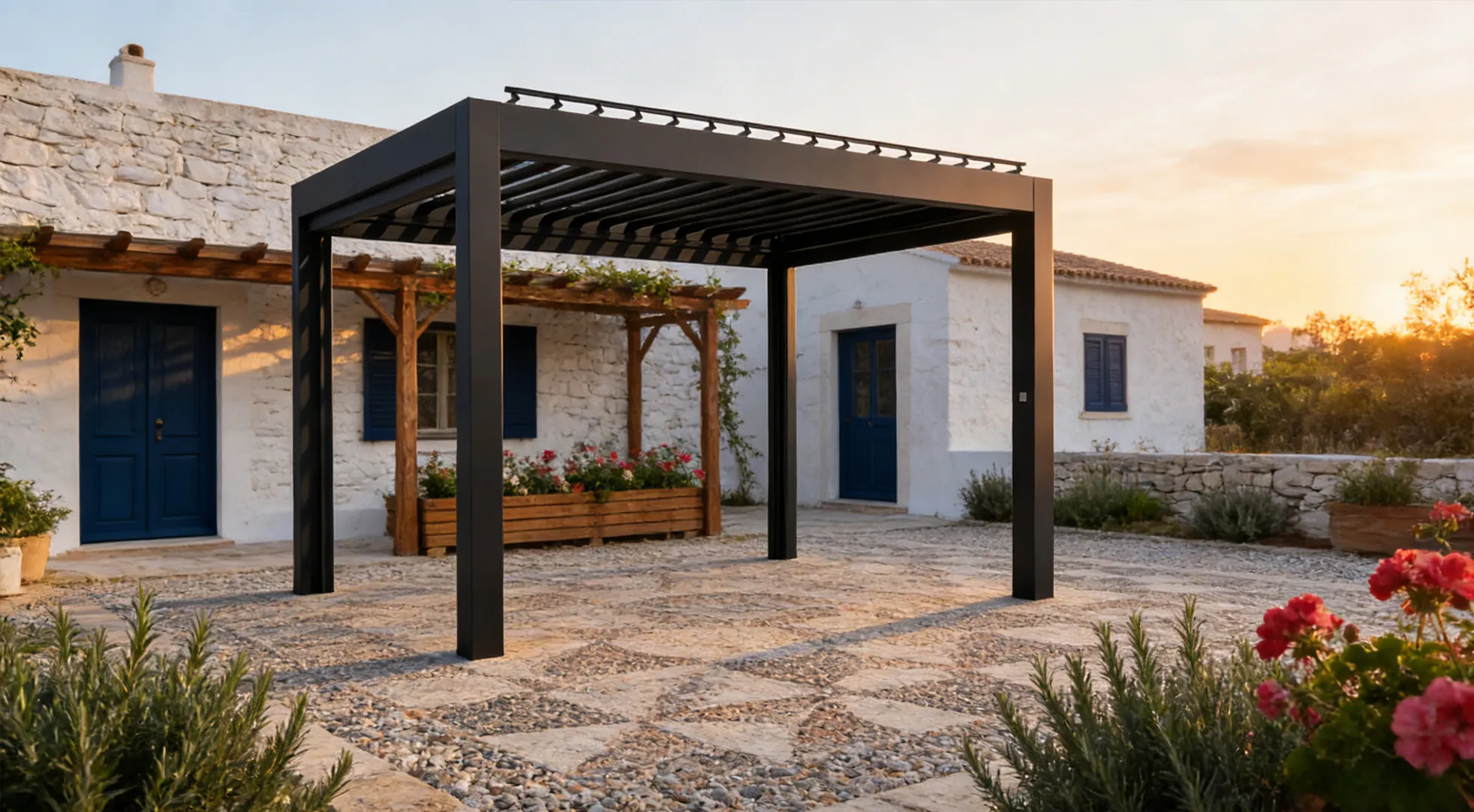
Buyers often want shade, clean energy and a neat return on investment, yet they end up puzzled by structural questions and unclear costs. The immediate worry is whether a garden roof will handle panels, how output will change with shading, and what long-term upkeep looks like — and those worries lead many to stall. A practical step is to look at a sample solar pergola specification early, so you know what decisions are technical and which are purely aesthetic.
Why the problem happens: diagnosis from field patterns
Most problems trace to two gaps: incomplete structural checks and incomplete electrical planning. Buyers skip a simple load assessment or accept a generic wind rating; installers may place panels without considering inverter access or future battery upgrades. Over time those choices cause extra cost or reduced energy yield. Projects across Southern California — a region tracked for high residential solar uptake by industry studies — reveal these exact failure modes, which a local pergola company documents in warranty claims and retrofit reports. I’ve advised homeowners and small developers for years; the remedies are straightforward once you know what to ask for.
Essential technical checklist for buyers
Ask for these items before you sign: stamped structural drawings showing live and dead loads; wind and snow ratings for your location; clear module layout with tilt and shading analysis; inverter type and placement; wiring plan and conduit routing; roof and pergola drainage details; and component certifications (UL/IEC for modules and inverters). Also check installer credentials — look for experience with ground-mounted or elevated PV and a record of permitting. These specifics cut uncertainty and make quotes comparable.
Pitfalls people repeat
Common mistakes are avoidable. Don’t accept a single-panel line without a shading study — a small tree or chimney can wipe out string stringing savings. Don’t assume your pergola frame can carry panel and snow loads without engineered reinforcement. Don’t let wiring be tucked into a decorative column without easy access for service. And don’t overlook simple maintenance access: panels need cleaning and the inverter needs ventilation. Each oversight raises lifetime cost far more than the savings from the cheapest bid.
Alternatives and brief evaluation
Freestanding solar pergola: best when you want full yard coverage and independent siting; slightly higher structural cost but flexible orientation. Attached pergola: saves on wiring route and can feed directly into existing panels, but roof compatibility must be checked carefully. Rooftop canopy or carport: higher capacity potential, better site for batteries and inverters, but may require stronger footings. Choose based on space, desired capacity, and whether you plan battery storage.
Questions to use during vendor selection
Ask for a sample permit set, evidence of past projects in your climate band, a clear warranty split (modules, inverters, structure), and a projected production estimate with worst-case shading scenarios. Confirm who remains responsible if the structure needs repair after a storm, and if panels will be replaced under the same labor terms. Keep answers recorded so you can compare bids objectively.
Practical close: what buyers gain from a measured approach
Problem-focused buying avoids surprises: get the structure verified, demand a clear electrical plan, and insist on maintainable access. Projects that follow this logic tend to hit expected output and require far less retrofit work. That measured approach is visible in the work of local installers and reflects how better documentation and clear warranties reduce buyer risk—examples include teams such as Light Hunter that combine structural planning with serviceable electrical layouts, producing outcomes that match initial promises.