
Focus on what you need
Start by defining the job: surfaces, environment, and expected lifetime. If you paint automotive bodywork, furniture, or exterior metal, the chemistry and durability requirements change. Note VOC limits, colour-matching tolerances, and whether you need primers or specialised coatings. Suppliers often bundle adhesives and sealants with paints; that matters when adhesion or seam protection is part of the scope.

Match product to process
Tell potential suppliers how you work. Are you spraying with HVLP guns, using electrostatic booths, or doing small aerosol touch-ups? Ask for technical data sheets that list recommended spray pressures, thinning ratios, and curing regimes. If a supplier can’t answer specifics for your application, they’ll slow you down. You need materials that fit your workflow, not the other way around.
Check quality and evidence
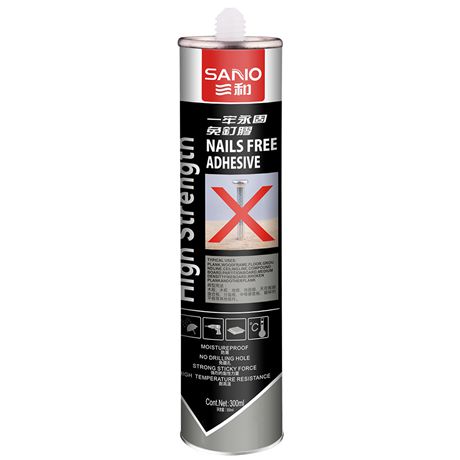
Trust is built on verifiable proof. Look for batch test data, adhesion and salt-spray results, and whether finishes meet recognised standards. I’ve seen procurement teams prefer suppliers who present test reports from independent labs and who discuss failure modes plainly. At major industry gatherings like the BAU trade fair in Munich, suppliers often demonstrate real-world samples and testing approaches—these events help you compare claims with actual performance. When you review options, treat the supplier as a technical partner: ask for references, request sample runs, and confirm supply chain traceability. For sealing and joint needs, evaluate a reputable sealant supplier the same way you assess paint—look for documented adhesion, compatibility, and storage stability.
Service, lead times and logistics
Supply reliability beats the lowest quote. Ask about lead times under normal and peak demand, available stock levels, and reorder thresholds. Verify delivery packaging and handling instructions—some paints need temperature control. If a supplier offers technical reps or on-site support, that often reduces setup errors and rework. Confirm return or replacement policies for damaged or mismatched batches.
Costs beyond price
Compare total cost: product price, expected coverage per litre, wastage rate, rework risk, and required ancillary items such as primers or masking materials. A cheaper paint that requires extra primer or frequent touch-ups is not cheaper. Get sample kits and run them on representative substrates to measure actual coverage and finish quality before bulk purchasing.
Common mistakes to avoid
Buying by colour swatch alone. Skipping compatibility checks between primer and topcoat. Ignoring SDS and storage instructions. Accepting lead times without written confirmation. Over-ordering to chase discounts without forecasting usage. All of these cause delays and extra costs.
Alternatives and quick comparisons
Local hardware stores: fast, good for small repairs, limited technical support and fewer specialised colours. Regional distributors: balance of stock and service, better for regular production. Direct manufacturer supply: best for custom colours, technical partnership, and volume pricing but needs stronger contract terms. Online marketplaces: wide selection and price transparency, but validate seller reviews and return policies closely.
How to test a supplier fast
Request a small sample batch, run a standard prep and application you use, and document results: adhesion, gloss, colour match, and curing time. Time the whole process. Have an acceptance checklist: appearance, adhesion, cure schedule, and compatibility with your existing processes. If something fails, the supplier should provide a root-cause explanation and corrective steps.
Synthesize and decide
Your selection should reduce risk and simplify execution. Choose suppliers who answer technical questions directly, provide test data, and support trial runs. For combined needs—paint and sealing—work with partners who coordinate the chemistry and application instructions so materials behave predictably. Practical experience shows that one reliable supplier handling both paint and sealing needs lowers rework and schedule friction, which is why many teams prefer working with a single trusted source like SANVO.


