
Introduction — a quick scene, a number, and a question
I once stood at a busy depot watching drivers change shifts while a bus waited under an overhead arm — simple, routine, and oddly tense. In that moment I thought about the pantograph charger and how it fits into daily transit life; many systems promise speed and simplicity, but reality often disagrees (안녕하세요 — small note, I like to keep things grounded). Data shows that fast-charge stops can cut dwell time by up to 40% in some city routes, yet delays still occur. So what causes the hold-ups and where do operators lose minutes and money? Let’s move from that scene into the causes and choices. — funny how that works, right?
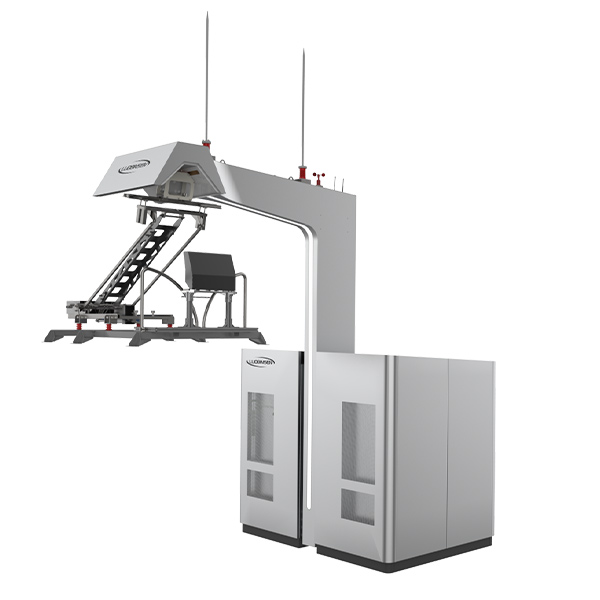
Part 1 — Where delays hide: the practical faults under the hood
pantograph bus charging is marketed as an elegant fix for quick top-ups, but I’ve noticed repeating patterns that make us pause. The biggest issues are not always the hardware itself. Often it’s the mismatch between timetable needs and charging curves, or aging power converters that hesitate at high current. Edge computing nodes meant to manage scheduling sometimes sit idle because software rules weren’t tuned to local traffic flow. In practice, that means a bus may arrive ready but cannot start charging due to communication timeouts or misaligned safety interlocks. Look, it’s simpler than you think: small integration errors stack into big delays.
From an operator’s view the pain points are clear. First, retrofit projects often treat the pantograph as a plug-and-play add-on. They ignore substation capacity and the step-up transformers needed for stable DC fast charging. Second, human factors — drivers unfamiliar with alignment marks, or service crews unsure about emergency procedures — add minutes each shift. Third, maintenance cycles are overlooked: overhead pantograph wear and contact contamination are quiet killers of uptime. I’ve walked through depots and seen all of this. It doesn’t take a miracle solution; it takes targeted fixes — better training, clearer fault logs, and practical checks during the first months after installation.
Why do simple things become complicated?
Because real systems mix electricity, software, and people. When any one of those is off, the whole chain slips. We can fix this. We must.
Part 2 — What’s next: principles and the road ahead
Now, looking forward, I want to sketch how new principles can address those faults. I see two paths: smarter control logic and better hardware harmonization. For control logic, adaptive scheduling driven by on-site edge computing nodes can predict peak demand and smooth charging windows. That reduces simultaneous draw and eases strain on substations. For hardware, modular power converters that support dynamic current limiting help avoid nuisance trips and allow graceful sharing of supply during rush times.
On the systems side, a robust pantograph ev charging system — not just a stand-alone charger — should include automated alignment feedback, clear driver prompts, and real-time status to both depot ops and the vehicle. Case studies show fleets that added real-time telemetry cut unexpected downtime by a noticeable margin. We should also consider lifecycle costs: a slightly higher initial investment in durable contact assemblies often pays off in lower maintenance and fewer emergency responses. I’ll admit I was skeptical at first, but after reviewing several deployments I changed my mind — there’s real value in designing for operability, not just raw charge power.
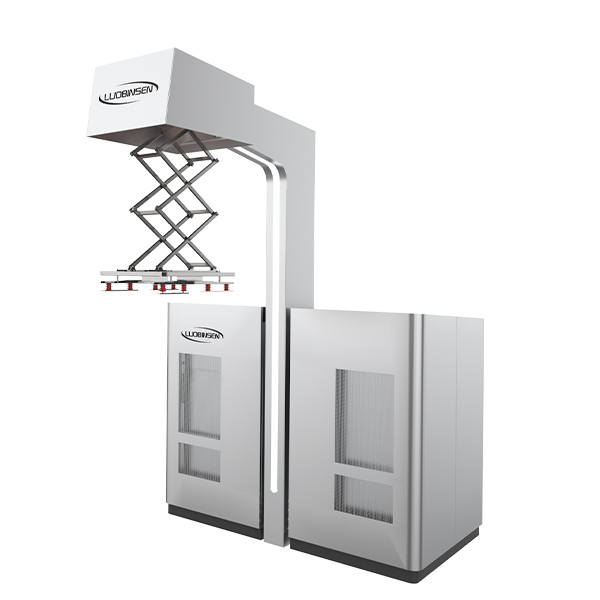
Real-world Impact?
Yes. Better control and stronger integration reduce delays and make schedules reliable. Operators sleep easier. Riders notice fewer late buses. It’s a chain reaction.
Conclusion — measured choices and three practical checks
To wrap up, I will be direct: not all pantograph projects are equal. Evaluate vendors and plans with three clear metrics — supply resilience (can the substation handle peak loads?), operability (how simple is the driver and depot workflow?), and maintainability (are spare parts and service procedures well defined?). These metrics helped me advise several clients toward solutions that actually worked on day one and improved over the first year. Also — don’t skimp on training; a confident crew fixes many tiny problems before they grow. I’ve seen that with my own eyes.
In short, prioritize systems thinking: match chargers to schedules, include power converters that can be tuned remotely, and add basic edge intelligence to manage demand. The result is fewer surprises and a smoother daily rhythm for drivers and passengers alike. If you want a single takeaway: design for people as much as for kilowatts. Thanks for reading — let’s keep improving, together. Luobisnen


