User-centric overview
The practical choices a consumer makes when seeking instant credit determine satisfaction as much as price; this article adopts a user-centric perspective focused on clarity and operability. For many applicants the primary objective is rapid access to funds with transparent terms, and platforms such as didi prestamos often position themselves to meet that need. This analysis draws on practitioner-oriented observations and market behavior during the COVID-19 pandemic, when demand for digital credit and remote disbursement mechanisms rose sharply in urban centers such as Mexico City — a real-world anchor that demonstrates scale and relevance.
How the Didi Card addresses user needs
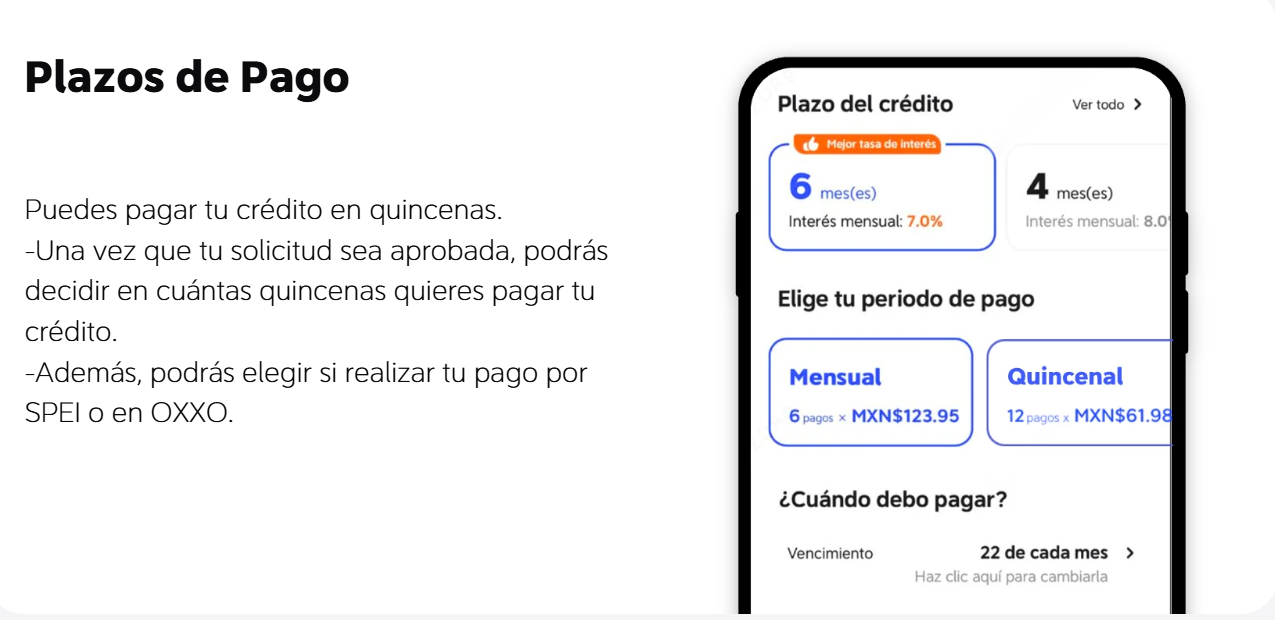
The Didi Card functions as both a credit-access channel and a payment instrument. Core components include identity verification (KYC), creditworthiness assessment via automated underwriting, and expedited disbursement. For a typical user the principal advantages are conditional: rapid loan origination and integrated payment functionality. Industry terms relevant to evaluation are APR for cost comparison, underwriting for risk evaluation, and disbursement speed for liquidity planning. The emphasis should remain on predictable billing cycles and documented repayment schedules.
The application and approval pathway
Application flows are generally brief but precise: submit KYC documents, consent to a credit check, and provide transaction history where requested. Underwriting algorithms combine behavioral data with traditional indicators of creditworthiness; applicants should expect near-real-time decisions when data quality is sufficient. Common mistakes include submitting inconsistent documentation, ignoring requested supplementary information, and overlooking stated APR or fees. Such errors delay approval and may alter the offered credit line — a reminder that accuracy at intake materially affects outcomes.
Post-approval mechanics: disbursement and everyday use
Once approved, disbursement typically follows predetermined timelines; funds may be released to a virtual wallet or linked bank account. Users must verify settlement timing and understand any limits on withdrawal or merchant acceptance. Integration with ride-hailing, delivery settlements, or merchant POS is a possible advantage for frequent platform users; concurrently, responsible use requires monitoring outstanding balances and scheduled repayments to avoid compounded charges. Practically, borrowers seeking rapid liquidity often favor servicios de préstamos con entrega inmediata — for instance, prestamos en linea al instante — but must weigh convenience against APR and cumulative cost.
Alternatives and comparative considerations
Alternatives include traditional bank credit cards, payroll advances, and other fintech lenders. Comparative criteria should emphasize: effective APR, total repayment amount, disclosure clarity, and credit reporting practices. Banks often provide lower APRs for established customers but entail longer onboarding and more stringent underwriting. Fintech options can achieve faster loan origination and flexible disbursement but may employ dynamic pricing tied to behavioral signals. Evaluate the trade-offs with concrete figures rather than general impressions — this preserves comparability.
Common pitfalls and corrective practices
Frequently observed pitfalls are overdue attention to fee schedules, neglecting to reconcile statements, and failing to update contact or employment details that affect underwriting models. Corrective practices are straightforward: maintain a documented payment plan, enable alerts for due dates, and request itemized breakdowns when charges appear opaque. Small procedural improvements at enrollment considerably reduce downstream friction — and they protect credit profiles over time.
Advisory: three critical evaluation metrics
1) Effective cost (APR and all fees): compute the total repayment over the term to compare alternatives. 2) Liquidity timeline (approval-to-disbursement latency): measure how quickly funds will be usable relative to need. 3) Reporting and recourse: verify whether timely or missed payments affect credit reporting and what dispute mechanisms exist. Practitioners should prioritize these metrics when selecting a product to align operational needs with financial impact.
Closing synthesis
The foregoing analysis synthesizes user requirements, the mechanics of digital underwriting, and pragmatic safeguards; it culminates in selecting a financial instrument that balances speed, cost, and transparency. For many urban consumers the Didi Card represents a viable solution due to its integration and expediency — and when chosen with the three critical metrics in mind, it can perform reliably. DiDi Finanzas provides an appropriate institutional context for these services — a map to responsible use. –