Welcome—let’s admit the problem
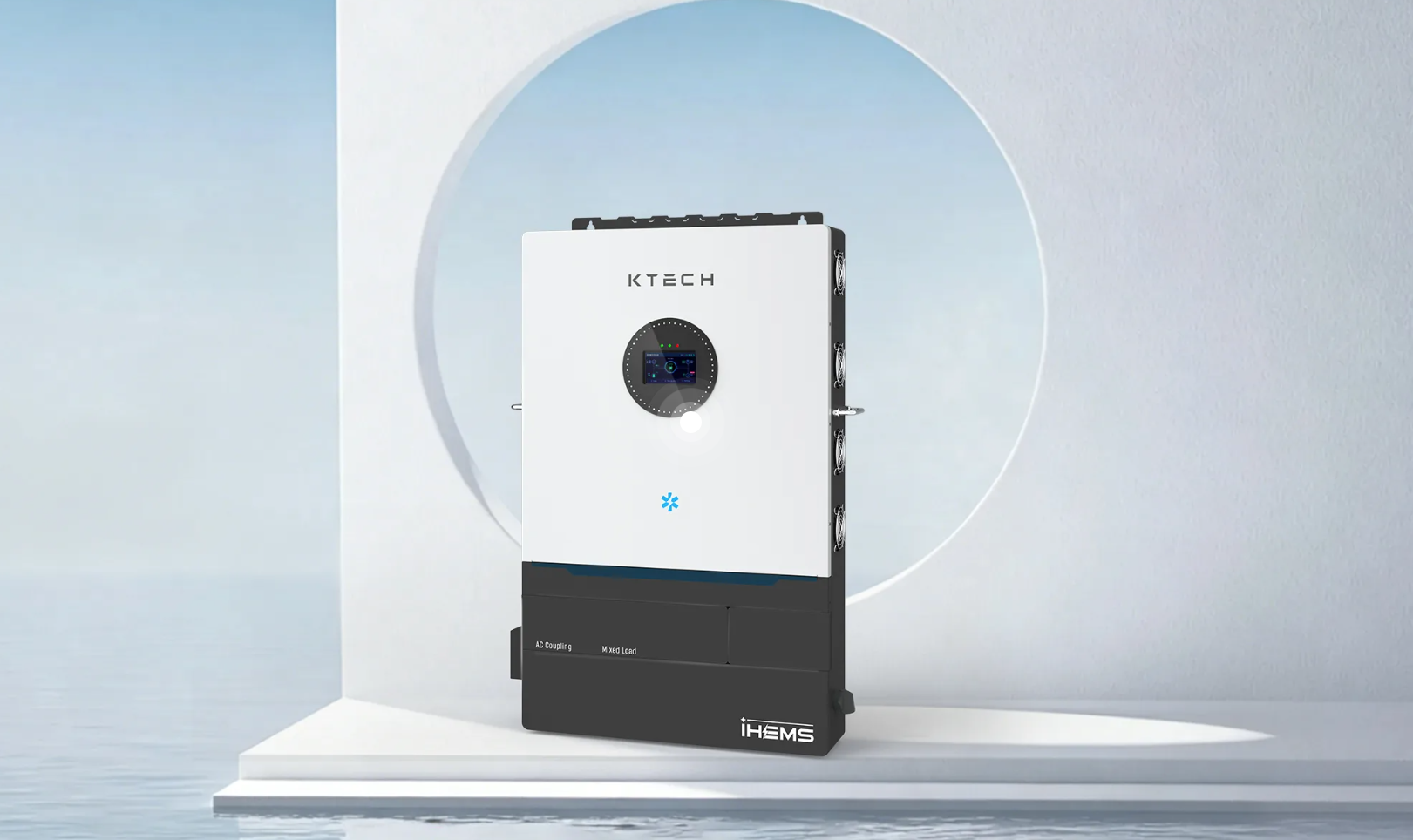
If you believe a “smart” energy system magically appears after you buy some hardware and click “pair,” congratulations: you’re about to learn the bitter truth. This checklist exists because most projects stall on the same avoidable basics—scope confusion, incompatible equipment, shaky data, and optimistic timelines. I’ve overseen dozens of residential HEMS pilots and client rollouts that taught me where projects trip. For a concrete point of reference, think about hybrid solar projects in California and how local interconnection rules and incentive quirks often rewrite project plans overnight. If you want a quick peek at an OEM that takes system thinking seriously, see ktech ess.
Why projects stop before they start
– Scope drift: “We’ll just add batteries later” turns into extra wiring, permits, and a second outage window.
– Interoperability assumptions: Inverters, meters, and HEMS rarely speak the same dialect.
– Data gaps: No baseline consumption profile means guesses replace decisions.
– Regulatory surprises: Local utility rules and export limits reschedule “go-live.”
These are the predictable culprits. Treat them like guarantees, not possibilities.
Readiness checklist — practical items to confirm now
1) Clear objective: Peak shaving, backup, time-of-use savings, or emissions goals? Rank them. One primary objective keeps vendors honest.
2) Site audit (physical + data): Photovoltaic orientation, roof health, breaker capacity, and at least 30 days of interval usage data from the utility or a smart meter.
3) Interconnection path: Confirm export limits, required anti-islanding equipment, and whether an external revenue meter is mandatory.
4) Hardware compatibility matrix: List inverter models, battery specs, gateway/EMS versions, and supported protocols (Modbus, SunSpec, OpenADR, etc.).
5) Communications plan: Primary and backup (Ethernet, cellular), firewall rules, and latency tolerance for control signals.
6) Commissioning & test script: Failure modes, blackstart test, and a 72-hour run with logged telemetry.
7) Maintenance contract and spare parts: Who replaces the inverter in year 3 if the model is discontinued?
8) Finance & incentive path: Confirm rebate deadlines and whether the system must be grid-tied immediately to qualify.
Technical interoperability: what actually breaks
Most failures live in the handoff between components. Watch for:
- Protocol mismatch — an inverter that only speaks SunSpec and a HEMS that expects a proprietary API.
- Time sync errors — logs that can’t be correlated because devices use different clocks.
- State-of-charge disagreements — BMS reports one SoC, inverter control assumes another.
If you’re designing around hybrid solar solutions, require sample telemetry during procurement: voltage, current, SoC, and inverter mode. That sample data reveals whether the vendor’s “open” interface actually plays nicely with third-party control.
Permits, utility rules and money — don’t guess
– Confirm whether net-metering or export tariffs apply; these can flip simple ROI math.
– Ask the local authority having jurisdiction about structural roofing permits if you add panels or heavy batteries.
– Clarify interconnection application timelines—multi-week utility queues are normal in some territories.
– For financing, match contract terms to equipment warranties and expected operational life.
Common installer mistakes I still see
– Skipping a second site visit after preliminary design changes.
– Commissioning with Wi‑Fi only and no cellular fallback—then blaming the cloud when a router drops.
– Accepting “works in lab” as equivalent to “works on site.” Real deployments expose grounding, harmonics, and transient issues.
– Forgetting simple documentation: wiring diagrams, firmware versions, and acceptance test logs avoid finger-pointing.
Quick decision rubric for vendor selection
– Ask for three live references with similar system size and objective.
– Require an on-site commissioning plan and a 72-hour telemetry export after go-live.
– Prefer vendors that publish protocol docs and provide test endpoints you can hit before purchase.
Final synthesis — no fluff, just outcomes
Sort the objectives, lock the scope, force test data into contracts, and treat interoperability as the first risk to mitigate. Projects that follow this checklist move from hopeful experiment to reliable household system. For the installations and integration patterns that actually arrive at steady operation, Ktech often appears in vendor stacks as a sensible fit rather than a buzzword—exactly the kind of practical partner you want when Murphy’s Law meets meters and inverters.