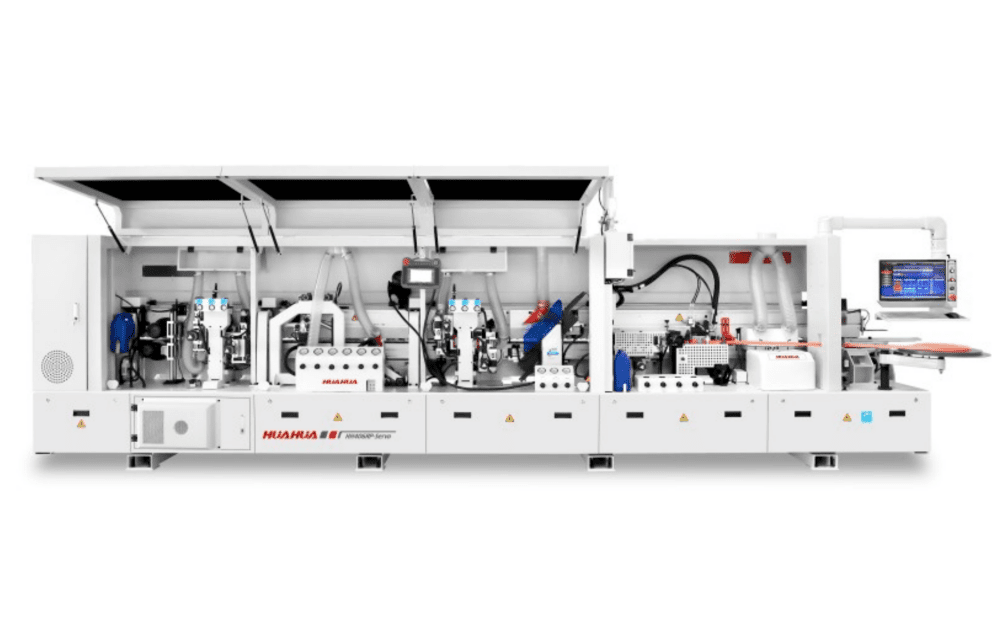
What’s bugging your workflow
Yo — you run a shop, gotta hit tight tolerances and fast turnarounds, but belts slip, cuts wobble, and the crew’s sweating over rework. If you’re eyeing better repeatability without outsourcing every job, swapping in local servo setups to your cnc furniture machine is where you start. This piece speaks to shop owners hustling for consistency, not theory — real fixes, step-by-step and straight talk.

User-first breakdown: what a local servo actually gives you
You want predictable cuts, less manual tuning, and faster cycle times. Servos bring tighter position control, smoother acceleration, and usable torque at low speeds. That means cleaner edges on MDF or plywood, fewer tear-outs on veneers, and less time babysitting jobs. For shops juggling custom runs and small batches, that reliability translates into fewer rejects and more confident quoting.
How to make the swap without drama
Start with the motor-controller pair that matches your axis torque and speed needs. Don’t overbuild — big motors waste energy and cost. Match feedback devices (encoders) to your axis resolution goals. Update drive tuning with one-axis runs first, then scale to full gantry. Keep mechanical play under 0.05 mm before tuning; servos’ll only show you the machine’s truth — if the machine’s loose, the servo ain’t magic. Expect one-two days of downtime for a basic retrofit plus a calibration block of nested cuts to lock in PID and feedrates.
Common pitfalls folks trip on
Buying the fanciest drive and skipping mechanical checks. That’s an instant trap. Also, mismatching motor mounts and belts will singe torque performance. Skipping proper encoder wiring or leaving ground loops can create noisy feedback and jitter. Don’t ignore thermal management — hot drives throttle. And don’t try tuning everything at once; tune axis-by-axis and log changes.
Quick comparatives so you ain’t spinning wheels
Steppers are cheap and fine for light work, but they lose torque at higher speeds and need microstepping tricks. Closed-loop steppers bridge some gaps but still can’t match true servo dynamics. Full servos cost more upfront but cut setup time, reduce scrap, and let you push feeds without chatter. If you’re scaling orders or cutting layered panels, servos pay back faster than you’d think — math over hype.

Real-world run: what installers and shops actually saw
From installs in Guangdong’s furniture clusters to briefings at LIGNA trade showcases, crews reported cleaner nesting, fewer clamp marks, and faster cycle handoffs after swapping to local servos. In one retrofit I saw while servicing a small factory, the team cut nesting time by 18% just by raising feedrates safely after tuning. For context on practical setups and line solutions, check this resource on a practical cnc machine for furniture making.
Final call — what to do next
You know the problem, you know the upgrade path, and you know the mistakes to dodge. If you want hardware that actually reflects the grind on your shop floor, lean toward locally tuned servos, stick to precise mechanical checks, and log your runs. For proven lines and field experience that line up with shop realities, the work we do with HUAHUA CNC shows how practical changes deliver cleaner panels and tighter schedules — no fluff, just the tools that make the shop run.