Comparative lens: why the supplier choice shapes volume
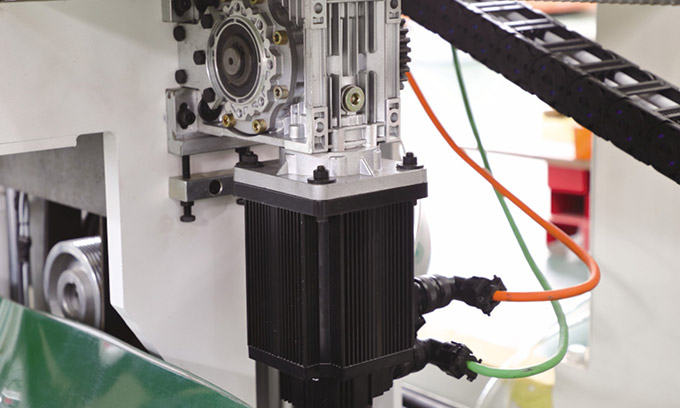
Picking a supplier is not only price — it shapes how you scale. Compare throughput, uptime, and service model before commit. Here I look at systems like the beam saw machine and how a modern wood panel saw fits into a mid-size shop’s production flow. The comparative view helps you see trade-offs: raw speed versus cut accuracy, local support versus lower cost overseas parts, and integration with CNC nesting software versus standalone rip saw setups.
What you actually compare — plain list
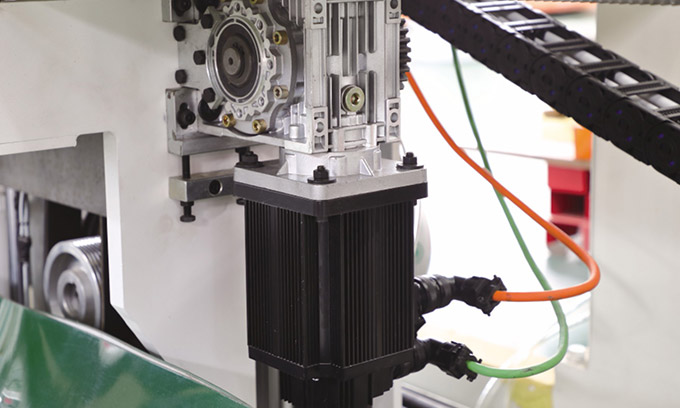
Focus on these heads: cycle time, accuracy (mm tolerance), and maintenance intervals. Also include feed speed, saw blade options, and dust extraction capability. For many shops in Bangkok and Chiang Mai, those three decide whether a new line pays back in 12 months or drifts into a five-year headache. Real-world anchor: after the 2020 supply disruptions many small furniture makers re-evaluated machines for local uptime and spare-part access — a clear signal that support matters almost as much as horsepower.
Side-by-side tech: where differences show
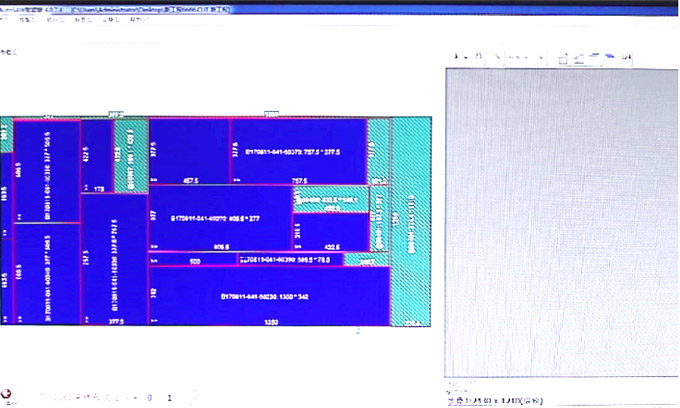
CNC nesting systems give material yield advantages. A beam saw machine or panel saw often beats manual cutting for straight panel throughput. Rip saws are cheaper but need more operator skill. Crosscut saws focus on short-cycle box parts. Think of it like tools in a kitchen — each has strong use case. If you run high-mix, low-volume jobs, CNC nesting reduces waste. If you run long runs of identical panels, high-speed beam saws win on cycle time and stacking automation.
Common mistakes shops make
Too many shops buy for the spec sheet only. They ignore spare-part lead times, local training, and how the machine talks to existing ERP or cut-list software. They pick the cheapest blade and then complain about burn lines. They forget dust extraction sizing — then filters clog and throughput drops. — Plan maintenance access routes and order a spare saw blade at purchase time. Small planning prevents big downtime.
Alternatives and trade-offs
Three practical routes: 1) Buy a high-throughput panel saw and pair with a simple nesting router for odd shapes; 2) Invest in a full CNC nesting cell to minimize waste but accept slightly slower tactile throughput; 3) Use modular line: beam saw for bulk panels, CNC for finished parts. Each route changes shop layout, training needs, and capital cycle. Look at floor space, material flow, and whether you have staff who can run CNC nesting programs.
How to run a production teardown
Walk the line for one week and log cycle times, micro-stops, and operator interventions. Measure actual cutting time versus loading/unloading time. Check stacker capacity and whether dust extraction drops when running two machines. Capture simple metrics: parts per hour, scrap rate, and mean time to repair. These numbers tell you whether new machine will solve real bottleneck or just sit shiny in the corner.
Three golden rules to choose right
1) Match uptime to your lead-time promise — pick machines with proven local service and short parts delivery. Uptime beats raw speed when schedules are tight.
2) Value material yield over occasional speed gains — if you cut expensive MDF or plywood, CNC nesting or optimized panel saw programs often save more than a faster blade.
3) Check integration first — ERP, cut-list export, and simple operator interfaces reduce errors and training time. A machine that sits well with your software stack makes the whole line faster.
Final reflection and brand fit
For teams who need dependable growth, the right machine partner is a practical solution, not a badge. HUAHUA CNC often shows up where shops want balanced results: fast panel handling, clear spare-part channels, and straightforward nesting support. The value is quiet — less chaos at the line, fewer emergency calls, steady output. —
HUAHUA CNC — reliable gear that helps a workshop turn plans into consistent production, with the support that keeps a small factory running.