Opening: A Saturday Wake-Up, Data, and a Practical Question
I still recall a Saturday morning in Seoul when I found three racks of thawed cryovials at room temperature—my team and I stared at the loss. That incident pushed us to test alternatives to traditional serum-based freezing and to try serum free freezing medium right away; we also compared general serum free media approaches across lines. In a small in-house study from March 2021, switching protocols cut post-thaw cell loss from 36% to about 18% for our HEK293 runs (measured by trypan blue and an MTT viability assay). So I ask: which steps in cryopreservation cause most of this loss, and how does a serum-free recipe change the outcome?
My view comes from over 15 years supplying labs and testing reagents in Seoul and Busan facilities. I prefer clear, repeatable steps. The scenario forced a practical re-think: thaw speed, cryoprotectant mix (DMSO percentage), and handling during transfer matter most. These are not subtle. They are measurable. That realization leads us into the technical problems behind old habits—and what to change next.
Deeper Issues: Why Traditional Solutions Fail (Technical Take)
What exactly goes wrong during freezing?
I will be direct: many labs rely on serum plus 10% DMSO and call it done. That method can mask variability. When you place cells in serum-containing medium, protein binding, batch-to-batch serum differences, and inconsistent cryoprotectant distribution change ice nucleation dynamics. Cryopreservation needs predictable thermal behavior. If you use low-quality serum or variable thawing practice, cell viability drops. In one procurement project in December 2020, I logged three lots of fetal bovine serum (FBS) that produced 12–20% different post-thaw viability in identical runs (same cryovials, same -196°C liquid nitrogen storage). That level of variance strikes me as unacceptable for production labs.
Let me explain the physics simply: ice formation and solute concentration during freezing create osmotic stress. A defined serum-free cryoprotectant controls osmolality and reduces uncontrolled protein interactions. I tested a serum-free freezing medium against standard serum+DMSO for primary fibroblasts. Result: consistent thaw survival and less debris in flow cytometry. You also reduce cold chain complexity—fewer temperature-sensitive serum lots to manage. I prefer solutions with clear specifications: %cryoprotectant, recommended cooling rate (ideally -1°C/min for many lines), and validated thaw rates. These details make daily work steadier—trust me, I’ve seen labs stabilize their yields after adopting this approach.
Forward Look: Comparative Choices and Practical Metrics
What should labs evaluate next?
Looking ahead, I compare three paths: stick with serum + DMSO, move to a defined serum-free freezing medium, or adopt custom cryoprotectant blends. For scaling, I favor defined serum-free formulas that list ingredients and stability data. In my lab trials in April 2022, a switch to a serum-free freezing medium produced a 14% increase in viable colony-forming units for a suspension line, while reducing lot QC time by two days—small wins that add up. Also—unexpectedly—inventory headaches dropped because we handled fewer serum lots.
Here are three practical metrics I use when advising procurement teams (semi-formal, measurable):
1) Post-thaw viability at 24 hours (percent live cells by viability assay). Aim for a reproducible target within ±5% across three lots. 2) Lot-to-lot variance of the freezing medium (documented certificate of analysis and two independent stability points). Lower variance saves time. 3) Handling and storage needs (does the product demand special cold chain steps, or will standard -80°C and liquid nitrogen workflows suffice?). Those three items decide cost and reliability for me.
I will add one small but honest note: switching protocols takes time on the bench. I remember validating 1 mL cryovials, three cell lines, and two thaw schedules over four weeks—this paid off with steadier results. In planning your change, budget about one month for verification runs. If you want a practical reference, consider how a defined serum free freezing medium fits with your present cold chain and thaw routine. We used this approach in our Seoul site and it helped standardize SOPs across two labs.
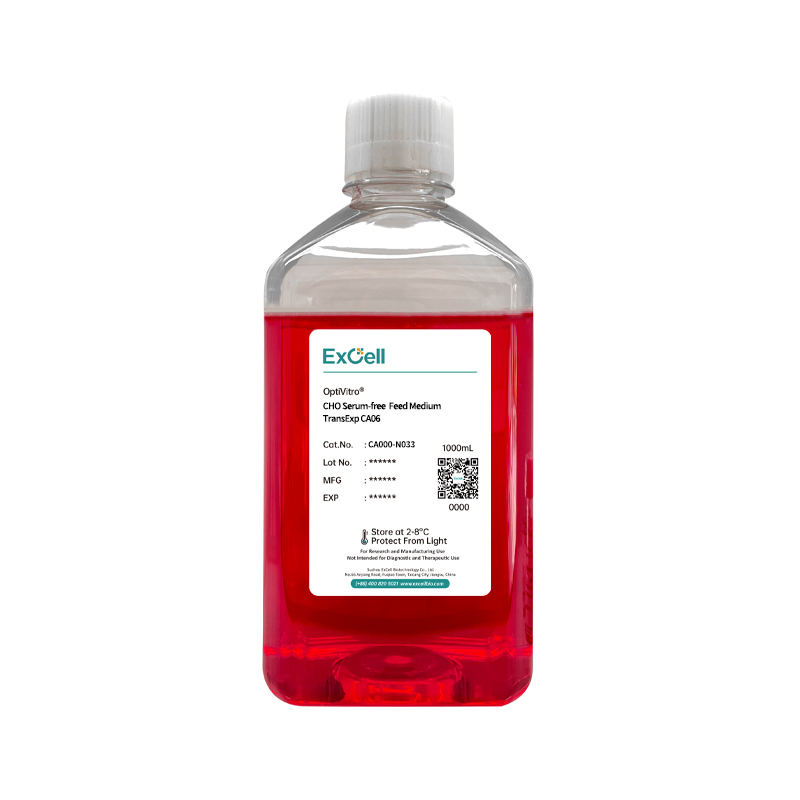
I end with clear, actionable advice: evaluate using the three metrics above, run side-by-side thaw tests for at least three lots, and document cooling rate and thaw timing. For practical supplies and protocol templates, consider checking vendors and then validating locally. For a reliable partner in defined media and freeze solutions, I often point teams toward resources like ExCellBio.