Introduction
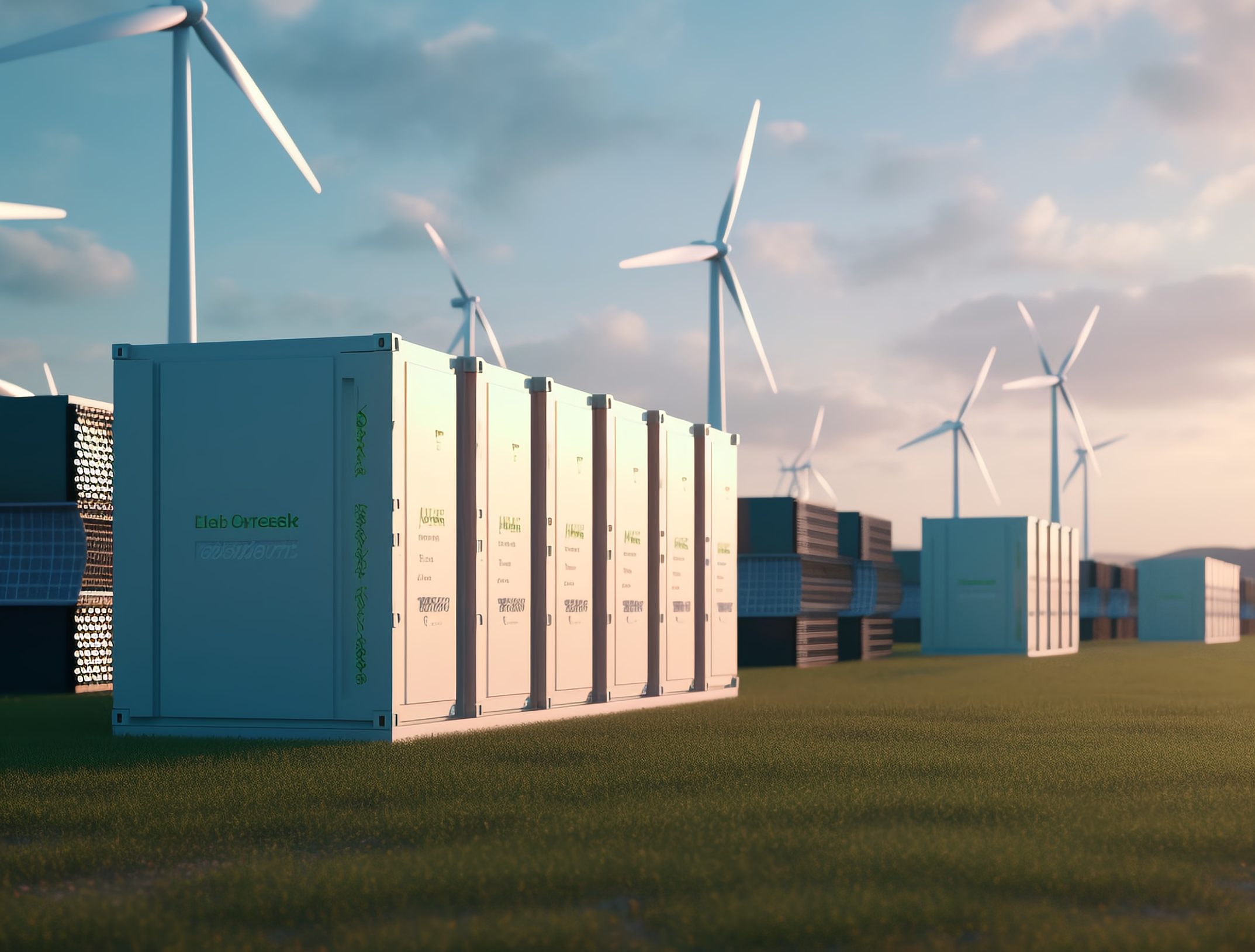
Have you noticed how the city holds its breath at dusk, when lights rise and the wind falls? The modern energy storage system steps in at that very hour, steady as a lighthouse in soft rain. One summer evening, a coastal town faced a sudden heatwave. Demand surged, and the grid strained. Data showed midday renewables covering more than a third of supply, yet sunset still brought risk. So we ask: why does abundance at noon turn into scarcity at night? The answer lives in timing, control, and what happens between electrons and decisions. Inverters, power converters, and microgrid controls do not simply move power; they choreograph response. They decide when to store and when to serve. They echo the weather and the market—sometimes too slowly. And in that lag, costs grow. This is the quiet boundary between promise and practice (and it is closer than it seems). Let us trace that edge, gently but clearly, and then move toward what can be improved—step by step—to the heart of the matter.

The Hidden Weak Link in Today’s Storage
Where do legacy approaches break?
The weak link is not capacity. It is control. Early setups leaned on oversized banks and simple timers. A single energy storage battery bank could hold charge, yes, but dispatch was blunt. Round-trip efficiency dipped once you counted HVAC and wiring losses. Lead-acid arrays sagged under deep cycling. Diesel peakers filled gaps with noise and fuel, while ramp times missed price signals. Look, it’s simpler than you think: timing and health are everything. Without a strong BMS, SOC drift grows, and operators fly half blind. Harmonics from low-grade inverters can upset sensitive loads—funny how that works, right?—and SCADA updates may lag. The result is predictable: missed peaks, higher demand charges, and more wear than planned.
User pain often stays quiet until it is not. Maintenance windows clash with real events. Thermal management struggles on hot roofs. A breaker trip reveals poor selectivity across the DC bus. Alerts arrive after the fact, not before. And when storms hit, the old logic fails to prioritize critical circuits with grace. Even peak shaving feels like guesswork without clear state-of-health data. Power converters and relays do what they are told, but the script is dated. So cycles burn. Warranties narrow. And confidence thins with every unplanned outage. It is not a failure of will; it is a mismatch of methods—and one we can fix.
Principles That Unlock the Next Wave
What’s Next
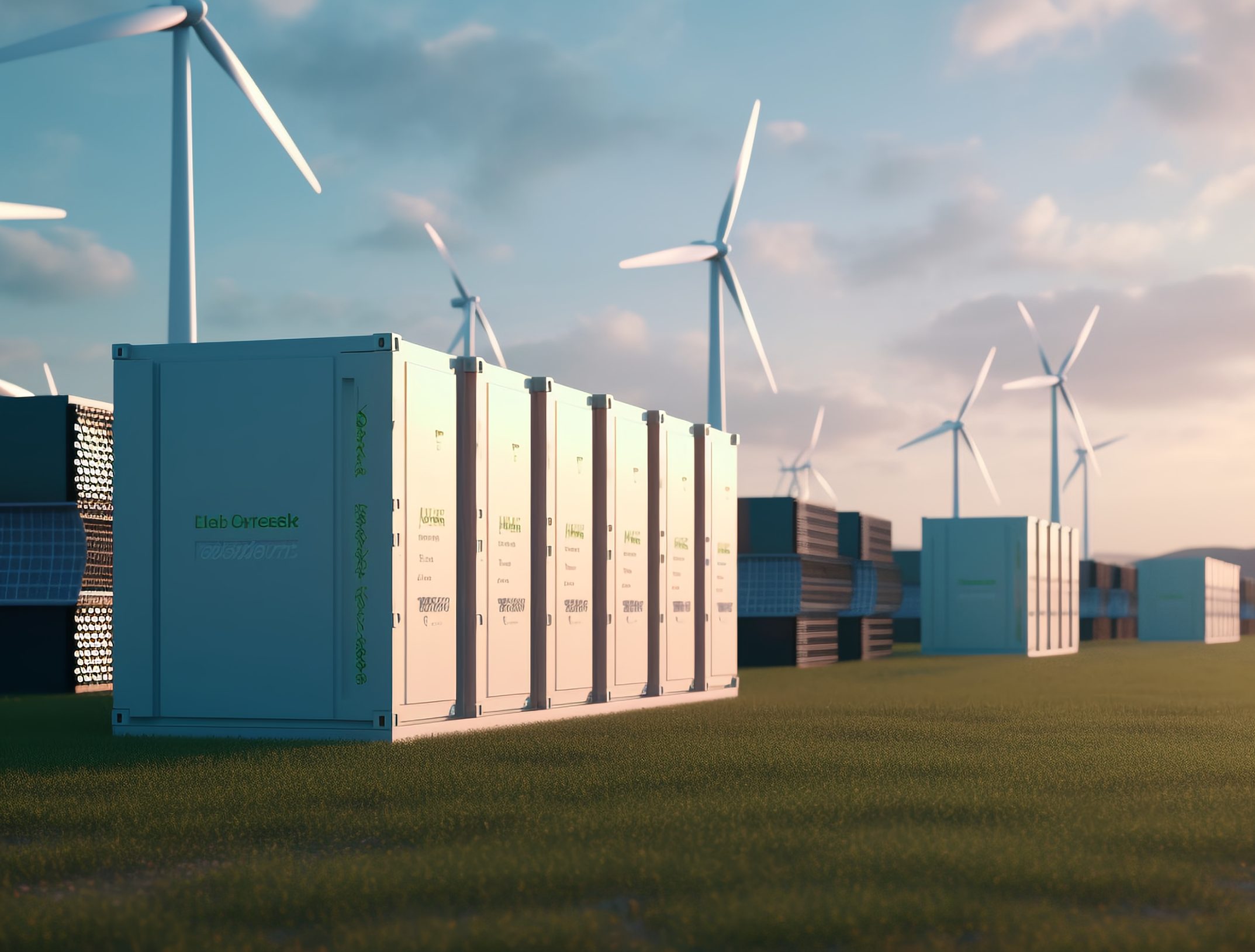
The new pattern is precise rather than big. Advanced control shifts from static setpoints to adaptive dispatch. Model predictive control forecasts load, weather, and tariffs, then acts before the curve hits. Edge computing nodes run local logic, cut latency, and keep protection tight. Bidirectional inverters sync fast and hold frequency with grace. A modern energy storage battery stack pairs a smart BMS with cell-level sensing, so balancing is quiet and constant. Think of it as orchestration: the DC bus stays calm, conversion losses fall, and response to a setpoint step moves into milliseconds. Thermal management is no longer reactive; it learns the site’s day-night rhythm. The outcome is simple to feel, if not to see—smaller peaks, smoother ramps, and safer margins. And yes, predictive alerts beat surprise shutdowns—this matters.
We can now compare the past to the near future without romance. Old systems chased events; new ones anticipate them. Earlier pain points—oversizing, SOC uncertainty, harmonics—fade as analytics guide dispatch and protect assets. Here is a practical way to choose well, in brief advisory fashion. First, measure round-trip efficiency at the system level, including HVAC and auxiliary loads, not just the nameplate. Second, verify response latency under a real load step (sub-second performance saves money). Third, check durability where it lives: warranted cycle life at a defined depth-of-discharge, plus UL 9540A safety data for peace of mind. If those three align, operations will follow, and costs will hold steady. In the end, technology should serve people—operators who need rest, facilities that need quiet, and communities that need light. Shared craft, steady hands, clear standards. That is enough. LEAD