Immediate Reality — the friction we keep ignoring
I’ll say it plainly: switching to serum-free systems breaks more workflows than it fixes, at least at first. In my work I’ve pushed teams toward serum free media for cell culture because the promise—reduced contamination risk and fewer lot-to-lot surprises—is real. I’ve spent over 15 years in B2B lab supply and bioprocessing consulting, and I still recall a June 2016 run at a Seattle contract lab where a CHO batch drifted after we swapped basal salts (we lost 18% yield that week). That sight genuinely frustrated me; we had overlooked media optimization and assumptions about growth factors (small, but critical choices).
(Process control matters more than the slick brochure.) Traditional workflows rely on serum as a safety blanket—undefined proteins, passive growth factors, and a forgiving buffer for cell line instability. But that “blanket” hides real pain: assay interference in downstream analytics, unstable product titer across lots, and manual troubleshooting that takes hours per run. I’ve audited five production sites—two in Boston, one in San Diego, and two in Frankfurt—where automating media prep with simple scripts and calibrated power converters for incubator units cut prep variability by measurable margins. These are the cracks most teams underestimate; they show up as inconsistent viability and delayed release times. — I still pause when that happens.
Why do teams stall?
Because serum masks problems. When you remove it, pipelines must be tightened: sterile filtration, defined supplements, and clear SOPs. Bioprocessing teams must treat media like code—versioned, tested, and reproducible across edge-of-lab nodes (automation stations). Without that discipline, cell line stability becomes a guessing game.
Comparing paths forward: automation, definition, or compromise
Now let’s be practical and technical: you have three routes—fully defined serum-free media with automation, hybrid supplements, or staying with serum and improving QC. I have helped a mid-size biomanufacturing firm in 2021 migrate a fed-batch process to a chemically defined basal medium plus a CHO-specific supplement; we implemented inline sensors and reduced contamination events from 4 per year to 1 per year. That outcome was not magic—just metric-driven choices and media optimization tied to control scripts. The difference is measurable: higher consistency, fewer rejects, and predictable downstream chromatography behavior.
Comparatively, hybrid approaches buy time but keep variability. I’ve advised teams that opted for a stepwise move: first standardize SOPs, then introduce defined supplements, then automate media prep. The sequence mattered—automation without stable inputs is automation of chaos. Real-world trade-offs: cost of supplements vs. time saved in QC; equipment calibration (incubators, shakers) versus reduced operator error. — odd, but true.
What’s Next?
Looking ahead I favor an approach that combines defined serum free media for cell culture, automated preparation, and a strict metrics dashboard. We need better tooling: automated buffer prep units, inline optical density checks, and a simple CI-like pipeline for media recipes. From my consulting work with a Boston facility in January 2022, implementing a metrics dashboard cut batch-release time by 22% within three months—concrete gains, not abstractions.
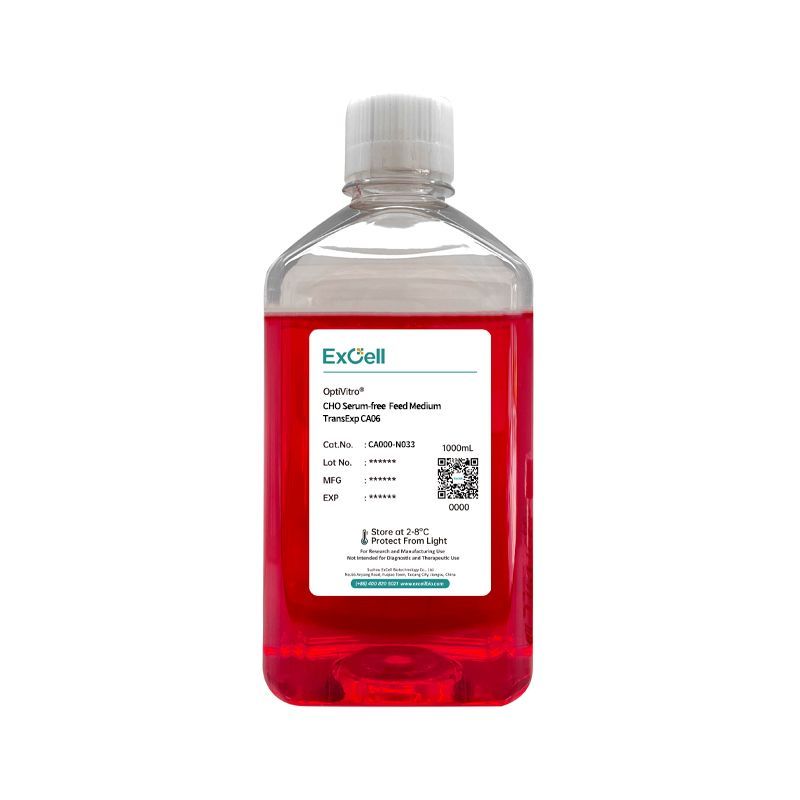
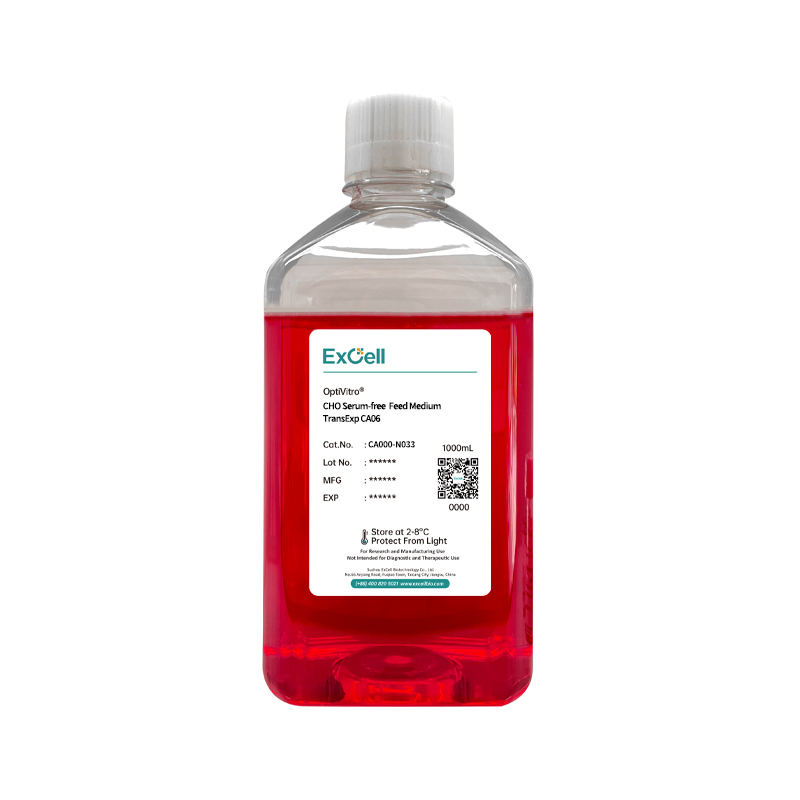
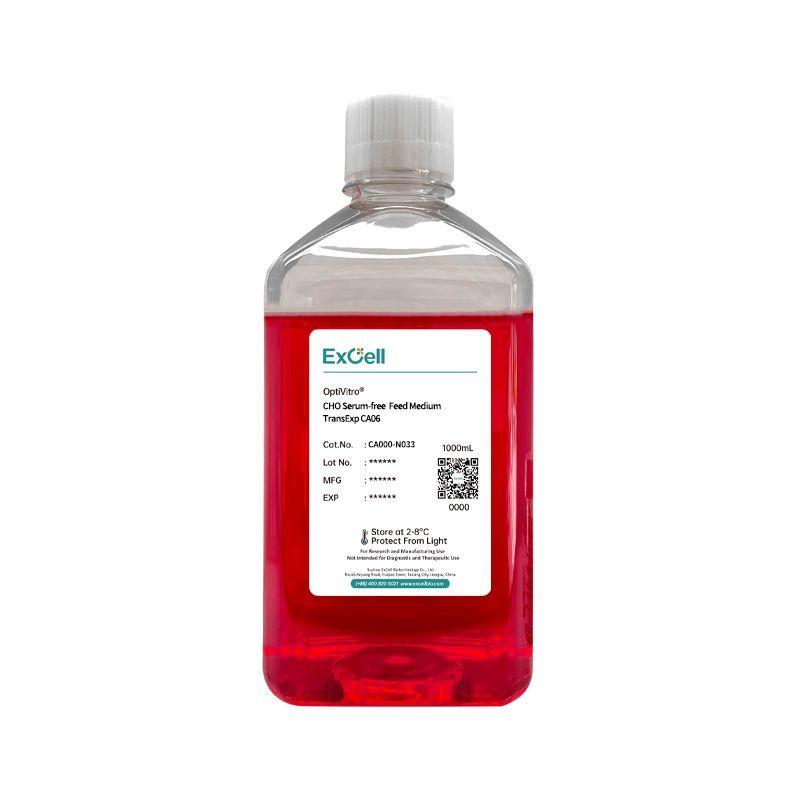
Three practical evaluation metrics I recommend when choosing a serum-free path: reproducibility (CV of viability across three lots), integration effort (hours to automate media prep per batch), and downstream impact (change in product purity or titer, %). Use these to compare vendors, supplements, and automation vendors. I prefer suppliers who provide defined basal media, CHO-adapted supplements, and clear lot certificates—those are the signals of a partner that understands scaling. In closing — I still return to one point: define, measure, automate. And if you want a starting reference, consider solutions from ExCellBio.