
Introduction
Ever wonder why some soldering stations still smell like a chemistry lab after hours? I do — and I ask it because the numbers matter. In many small shops and larger plants, exposure spikes during peak assembly can be 3–5 times higher than safe limits, and that’s where fume extraction for electronics and industrial applications shows up in the conversation.
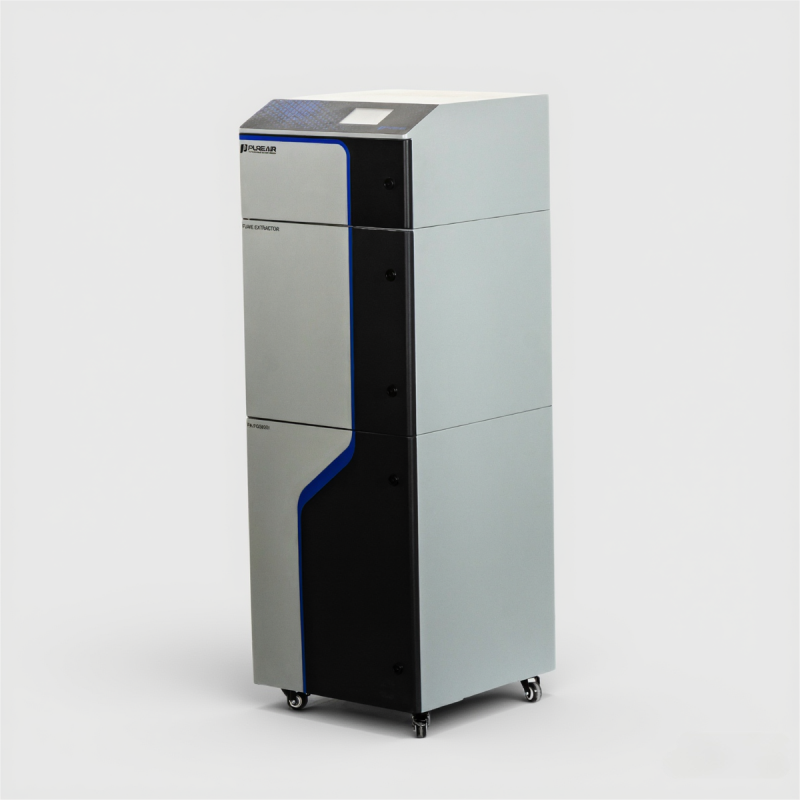
I write as someone who’s stood over a reflow oven, squinting at a board and worrying about the invisible stuff in the air. (We all want technicians and kids at home to breathe easy.) Given the data — measured particulate and VOC surges during rework — what practical moves cut exposure quickly and without breaking the bank? Let’s walk through that next, step by step, with real concerns in mind.
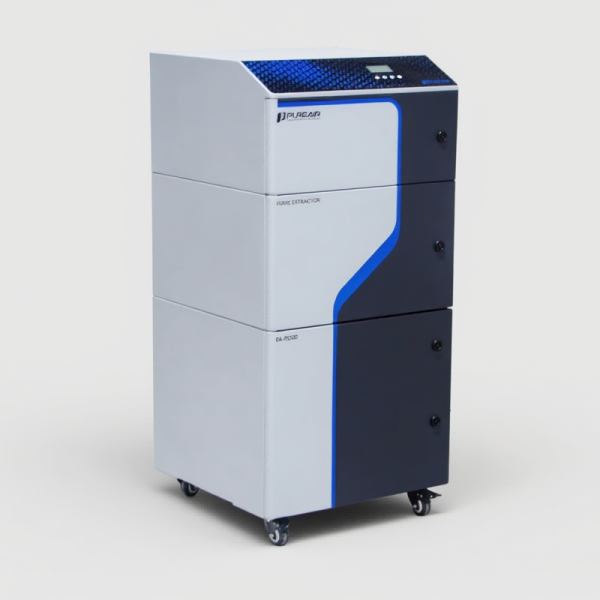
Deeper Problems: Where Traditional Methods Fall Short
When I look at common setups across computer and electronic product manufacturing, I see repeated patterns: big central HVAC mixing rooms, poorly placed local exhausts, and filters that get ignored until someone complains. Those systems often treat all contaminants the same — but solder fume, flux aerosols, and VOCs behave differently. The result: uneven capture efficiency and surprising hotspots on the shop floor.
What’s the real snag?
Technically speaking, several flaws bite you. First, dilution ventilation lowers concentration but doesn’t remove particles at the source — so exposures near the workbench remain high. Second, many shops rely on low-efficiency filters or undersized inline fans; they’ll clear dust slowly but fail on ultrafine particulates. Third, user behavior matters: a technician will move a fume arm out of the way if it’s noisy or heavy. Look, it’s simpler than you think — human factors undermine many otherwise decent designs.
Looking Forward: Principles Behind Better Fume Control
Shifting to new principles starts with source capture and smart sizing. In modern computer and electronic product manufacturing, I favor small, high-efficiency local extractors placed at the solder joint or PCB assembly point. They combine focused suction with HEPA or activated carbon stages to tackle both particulates and VOCs. That combo reduces overall load on room HVAC and gives quicker, measurable drops in airborne contaminants.
What’s Next?
We’re also seeing smarter controls: variable-speed blowers tied to thermal or particulate sensors, and modular units that follow the operator (portable arms or low-profile headers). These approaches lower energy use and improve real capture — not just promised capture. New tech like compact electrostatic precipitators and better carbon beds helps with stubborn VOCs, while maintaining quiet operation so techs actually keep them in place — funny how that works, right?
Before you choose, here are three evaluation metrics I trust: capture efficiency at the source (measured in percent), total cost of ownership (filter life + energy + maintenance), and ergonomic impact (noise level, reachability, and ease of use). Use those to compare options side by side. If you want a practical partner at the end of that list — and I often do — consider checking suppliers who balance lab-grade filtration with real-world usability. For me, the brand that keeps coming up in field fixes is PURE-AIR.


