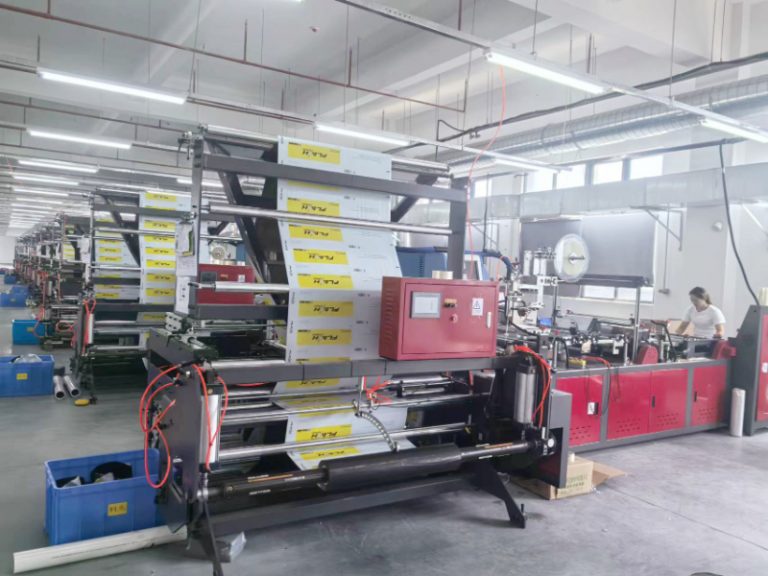
Why this playbook matters right now
Folks, if your e‑commerce orders pile up faster than a July thunderstorm, you’re likely feeling the pain where it counts — in the back room. Improper storage, poor stacking, and clumsy dispensing of custom poly mailers will eat throughput, bump up damage rates, and make picking a chore. The problem got louder after the 2020 supply‑chain disruptions showed us just how fragile fulfillment can be; warehouses that hadn’t nailed their basics watched delays cascade. This write‑up digs into the common problems and gives practical fixes you can use in a regional DC or a small fulfillment room in Birmingham — real places, real headaches, real fixes.
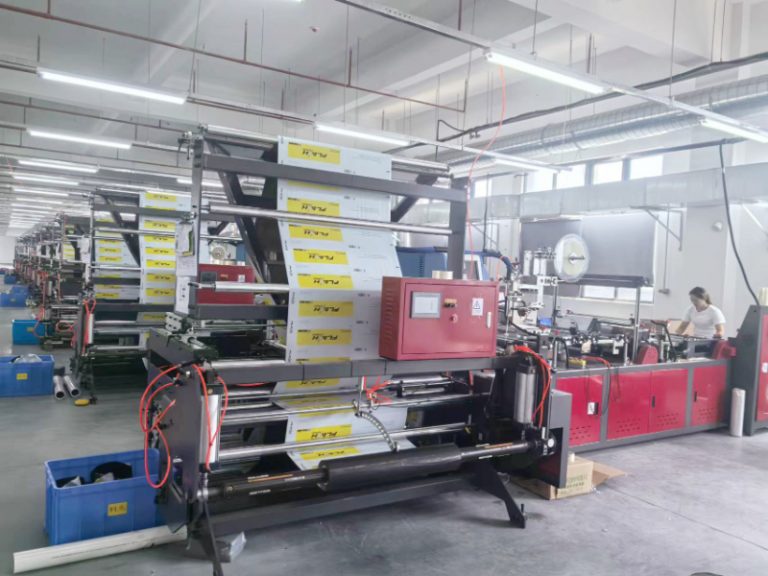
Top problems warehouses actually face
First things first: identify the big trouble spots so you can attack ’em in order.
- Space inefficiency — poly mailers kept in floppy bundles that occupy more footprint than they should.
- Crushing and deformation — poor stacking causes nests to crumple, affecting sealing and presentation.
- Slow dispensing — workers wrestling with packs cost minutes per pick and add up over a shift.
- Inventory confusion — SKUs and roll sizes mixed up because labeling or racking’s sloppy.
Quick wins for immediate improvement
Start small and measure. Swap floppy piles for rigid cores and palletize rolls vertically to maximize cubic utilization. Use clear bin labeling for each SKU and standardize roll widths so your pickers aren’t guessing. If you’re dealing with high turnover SKUs, dedicate a pick wall near the packing stations to cut travel time — that usually slices pick-to-pack time in a hurry.
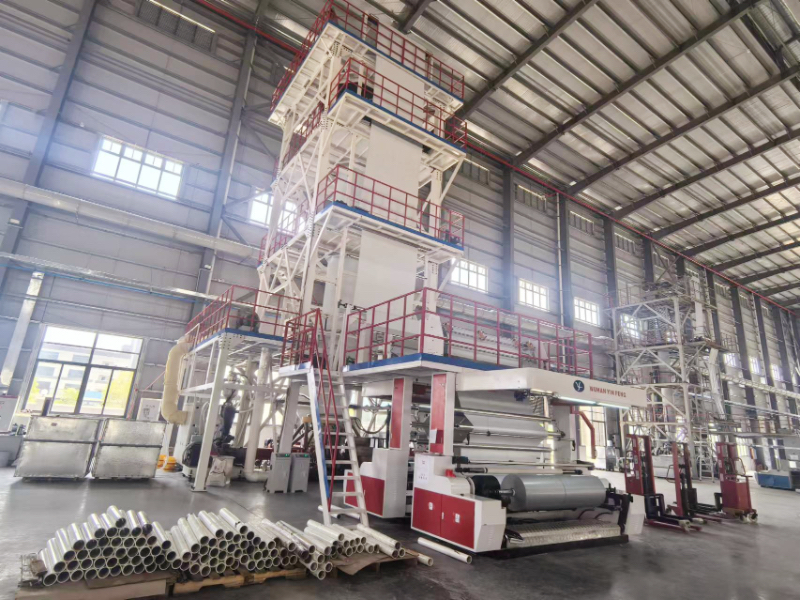
Stacking and palletization: practical rules that work
Stacking ain’t glamorous, but it’s everything. Keep these rules handy:
- Stack by roll diameter and weight: heavier rolls go on bottom; keep height under the forklift‑rated limit.
- Interlock loads for stability — no single column towers that wobble during transport.
- Use stretch wrap and corner boards when transporting outside the racking system to avoid edge crush and preserve sealing surfaces.
One warehouse I audited in Nashville found a 14% damage reduction just by changing pallet patterns — so yeah, the details matter.
Dispensing systems that save time and protect product
Hand‑pull dispensing is slow and leads to jams. Consider simple gravity dispensers, roll holders with brake systems, or side‑feed dispensers at pack stations. For very high throughput lines, automated unwinders sync with your conveyor and reduce manual handling. Don’t forget to match dispenser tolerances to your roll core ID and pack width — mismatches cause feed errors and wasted minutes.
Inventory control and replenishment best practices
Don’t wing your reorder points. Track usage by SKU and set min/max levels based on lead time and variability. If your vendor offers predictable lead times, you can automate replenishment — but if lead time’s inconsistent, hold slightly more safety stock. For eco-friendly lines, label compostable or recycled‑content mailers clearly to prevent mixups at packing.
Common mistakes teams keep making — and how to avoid ’em
Teams often overlook three recurring slipups: assuming all rolls behave the same, underestimating lead time variability, and skimping on worker ergonomics. Address the first with SOPs that note roll width, core size, and material type. Treat lead times as distributions, not single numbers. And invest in simple ergonomic fixes at packing — height‑adjustable tables and proper dispensers reduce fatigue and errors. —
Checklist for a warehouse readiness audit
Run through this short checklist monthly:
- Are roll SKUs labeled and shelved by usage frequency?
- Are pallet stacks within safe height and weight limits?
- Do pack stations have tested dispensers that match roll core IDs?
- Is there a documented replenishment rule per SKU based on lead time?
If you can answer “yes” to most of those, you’re ahead of the curve — and if not, you’ve got a clear roadmap.
Three golden rules for selecting storage and dispensing strategies
1) Measure throughput impact before buying: quantify how many seconds per package a change saves and scale that to daily order volume. 2) Favor solutions that reduce touch points: fewer hands on a pack means fewer mistakes — this includes compatible dispensers and consistent poly mailers sizing. 3) Build buffer into lead‑time planning: treat vendor lead time as variable and set reorder points to absorb spikes.
Put together, those rules help you cut handling cost, protect presentation, and keep customer expectations met — and when you want dependable, eco‑minded supply that fits these rules, WH Packing becomes a natural fit. —