Why a structured framework helps decision‑makers
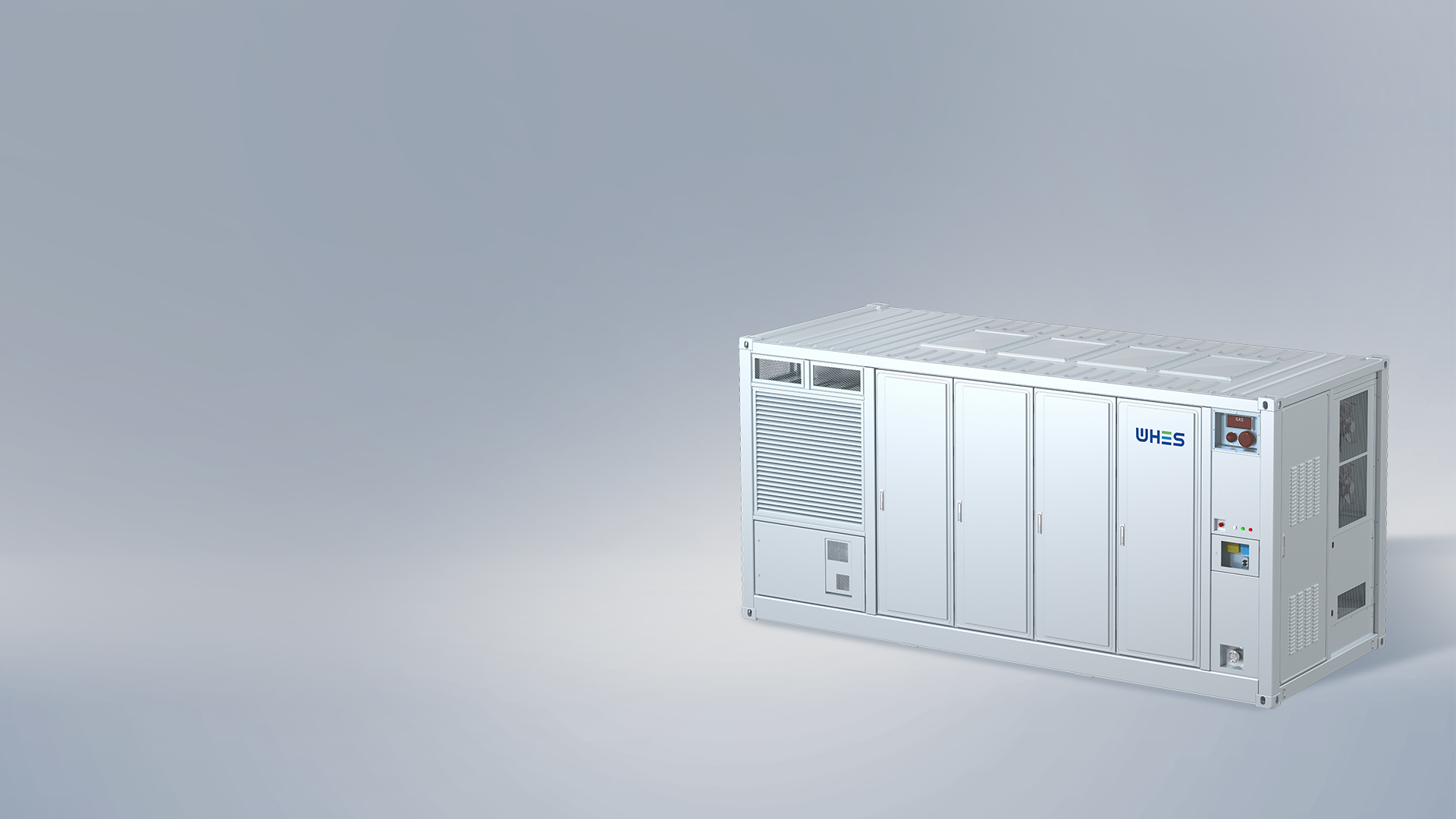
Large commercial and industrial (C&I) sites face two often competing goals: to supply intensive, fast-moving load demands and to smooth variable renewables on the same feeder. A clear framework avoids costly trial-and-error. This article presents a stepwise approach to compare battery chemistries and inverter strategies for three‑phase hybrid inverters used in utility‑scale contexts. For pragmatic reference, please review a representative product like utility scale battery storage to see how system specs map to the framework below.
Framework overview: four decision layers
Consider four layers, in order: operational profile, electrical interface, lifecycle economics, and integration risk. Each layer narrows the suitable chemistry and inverter topology choices.
– Operational profile: peak power demand, duration of sustained discharge, cycle frequency, and required response time. – Electrical interface: inverter topology (grid‑forming vs grid‑following), three‑phase balance, harmonic control, and power electronics ratings. – Lifecycle economics: cycle life, depth of discharge (DoD), calendar aging, and total cost of ownership (TCO). – Integration risk: thermal management, supply chain maturity, and safety/regulatory compliance.
Layer 1 — Match chemistry to operational profile
Different chemistries excel at distinct tasks. Lithium‑ion (NMC, LFP) and vanadium flow each have trade‑offs. LFP offers higher cycle life and safer thermal characteristics; it is well suited where frequent deep cycles and extended DoD are expected. NMC tends to provide higher energy density and slightly higher power density, helpful when footprint is constrained. Flow batteries yield long-duration discharge and effectively separate power and energy ratings, which is valuable when load duration is long but cycles are fewer. Choose by required duration and cycle rhythm: short, rapid cycling prefers LFP or NMC; multi-hour smoothing often favors flow systems.
Layer 2 — Inverter topology and control strategy
Three‑phase hybrid inverters can be configured for fast active power injection and advanced smoothing. Grid‑forming inverters provide stronger voltage and frequency support during islanding or fault events. For heavy C&I loads that may require islanding during disturbances, grid‑forming capability is advisable. If the site only needs firm smoothing while grid remains intact, a grid‑following hybrid may suffice. Inverter control must align with battery chemistry limits—charge/discharge rates, state of charge (SoC) window, and recommended C‑rates—otherwise the system cannot meet both power and energy demands reliably.
Layer 3 — Lifecycle economics and operational constraints
Assess total cost over expected lifetime, not just unit price. Include amortized inverter cost, battery replacement cadence tied to cycle life, and balance‑of‑system expenses such as cooling and fire mitigation. Round‑trip efficiency and DoD directly affect usable energy and therefore economics. For example, high DoD with modest cycle life may still be economical if the system replaces expensive peak generation. Also consider warranty terms and performance guarantees from vendors—these materially affect commercial risk.
Layer 4 — Integration risk and real‑world anchors
Integration risk often decides the winner. Site constraints—ambient temperature ranges, available footprint, and existing switchgear—shape practical choices. For a real‑world anchor: the Hornsdale Power Reserve in South Australia (100 MW / 129 MWh) demonstrated how a well‑matched battery inverter system can deliver frequency response and reserve services at grid scale. Such projects reveal operational lessons: conservative thermal margins, firm service agreements, and precise inverter control tuning are essential to realize expected benefits.
Comparative synopsis: chemistry versus role
– LFP: high cycle life, safer thermal profile, medium energy density. Best for frequent, deep cycling and fast response. – NMC: higher energy density and favorable power-to-energy ratios. Best when space is limited and moderate cycle life suffices. – Vanadium flow: long duration discharge, decoupled power/energy sizing. Best for multi‑hour renewable smoothing and long calendar life. – Hybrid approaches: combine short‑term power (Li‑ion) with long‑duration storage (flow or hydrogen reconversion) when both instantaneous response and several‑hour energy are required.
Common mistakes and practical mitigations
Teams often pick chemistry by headline metrics only—kWh per dollar or initial capital cost—without weighting cure time, replacement cadence, and inverter compatibility. Another error is under‑specifying inverter response times or neglecting harmonic performance under nonlinear C&I loads. A practical mitigation: run a 24–72 hour site profile and stress test the proposed inverter/battery model in simulation against that profile. Also, require vendor‑provided first‑year performance data and a clear service plan—this reduces surprise maintenance and degradation costs. —
Evaluating vendors and systems
When you compare suppliers, request these items: certified cycle‑life graphs under your defined DoD, inverter control strategies for three‑phase imbalance, thermal management schematics, and clearly stated warranty conditions tied to performance. Pay attention to supply‑chain maturity and local service footprint; both shorten recovery time after faults and reduce integration risk. Where possible, prefer systems with modular power electronics—this eases maintenance and scaling.
Advisory: three golden metrics to select the right system
1) Effective Economics (TCO per usable kWh per year): include replacement cost, efficiency penalties, and downtime. 2) Operational Fit (response time, supported DoD, and rated cycle life): the system must meet the real load shape you measured. 3) Integration Resilience (grid‑forming capability, thermal margins, and vendor service SLAs): this controls operational continuity and safety.
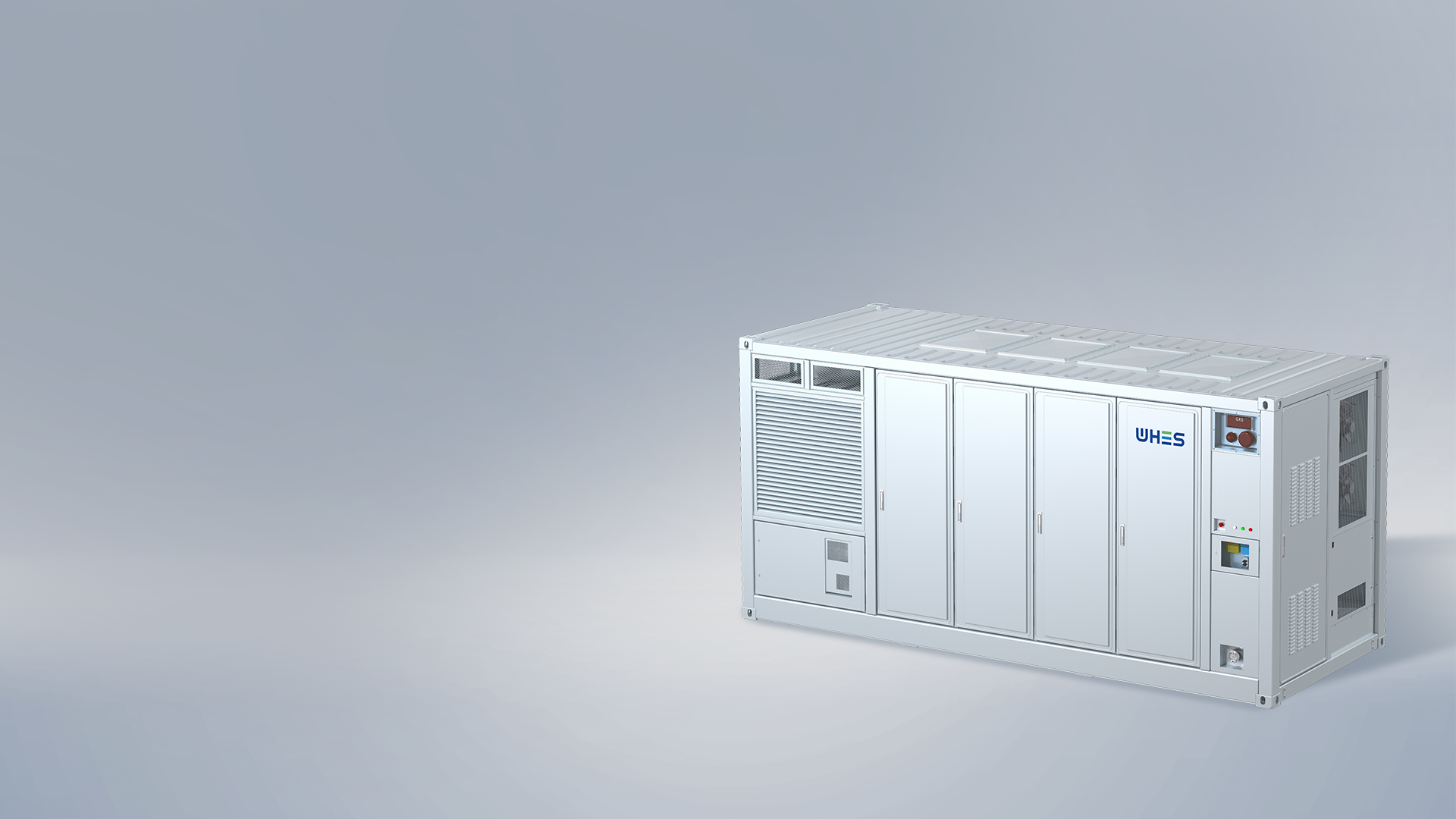
Use these rules to reduce subjectivity and to align procurement with real operational needs. When practical clarity is required, systems like those from utility scale bess illustrate how manufacturer specs and field performance can be reconciled into a single selection decision. Final thought: a disciplined framework saves both capital and operational headaches. WHES. –