Why a comparative lens matters
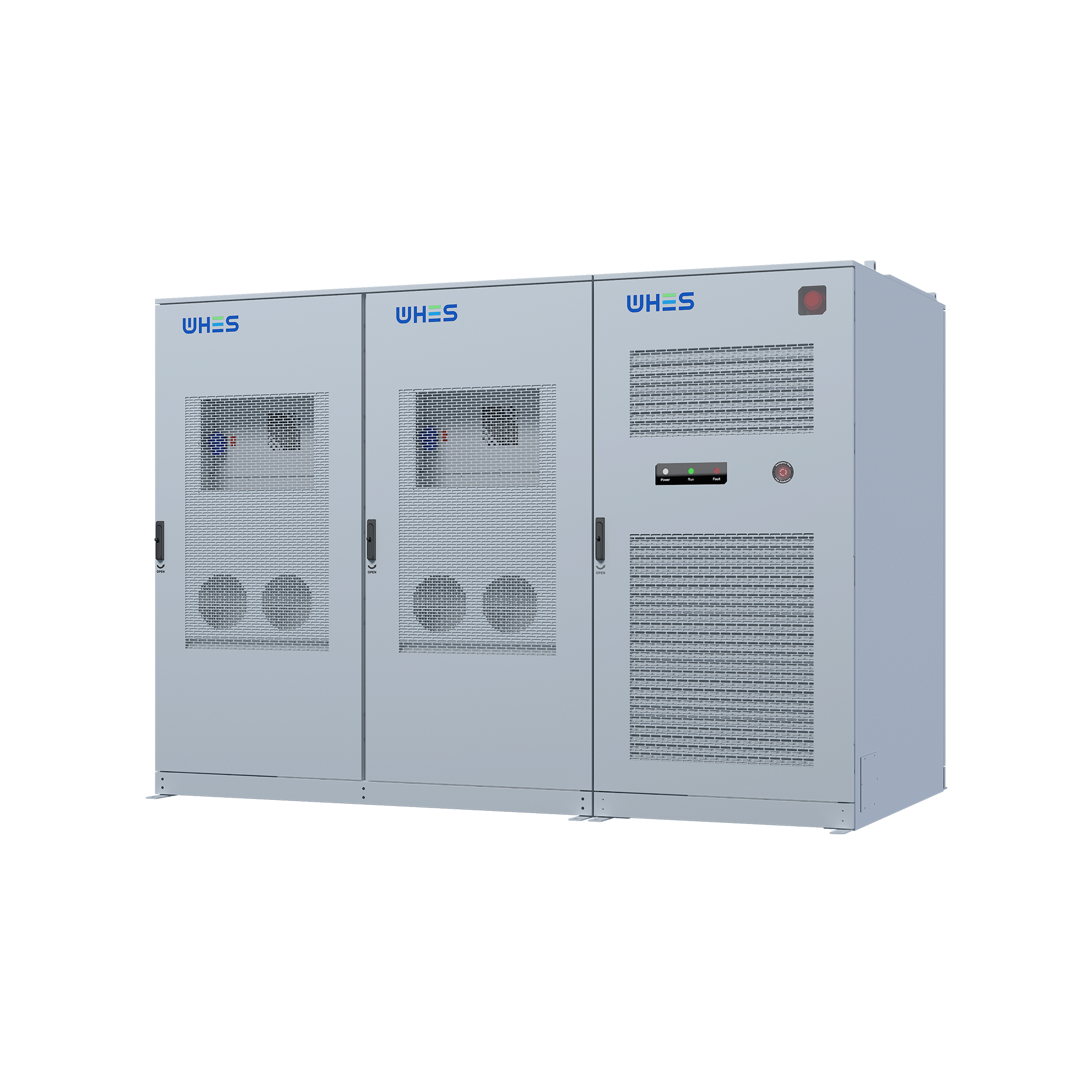
Household battery systems were designed for simple goals: backup power and peak shaving. But as grids swell with solar and wind, the same inverter and battery chemistry can be repurposed for far larger market opportunities like grid arbitrage and frequency services. Comparing traditional home systems to a reengineered approach reveals where design compromises hide — from charge control to rack cooling. For commercial deployments, consider how a purpose-built commercial energy storage platform changes economics and operational capability versus simply aggregating home units.
Core differences: home battery vs. multi‑megawatt system
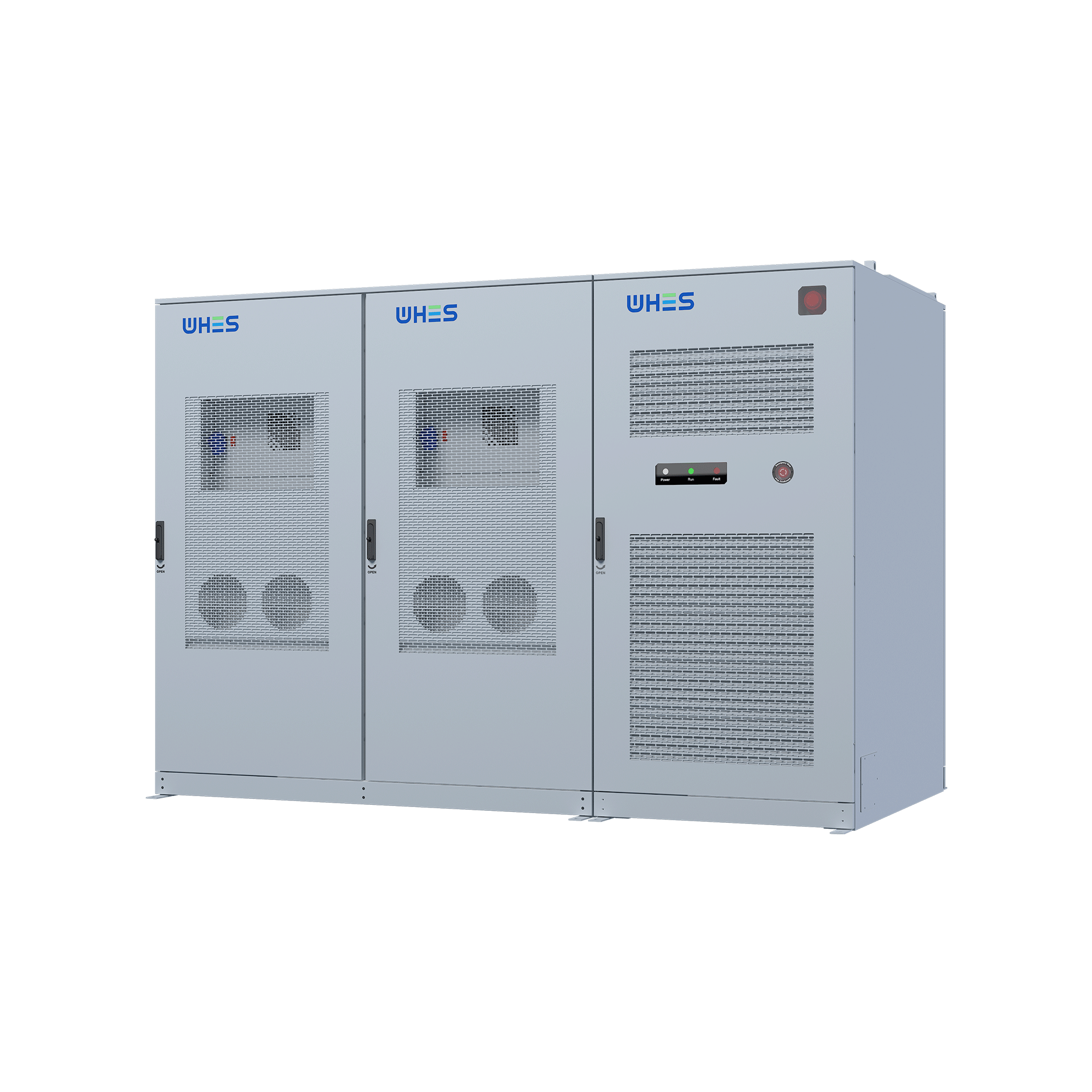
At first glance, both types store electrons. But they differ on several engineering axes: modularity, power electronics, thermal management, and controls. Home units emphasize compactness, user-friendly BMS, and AC‑coupled inverters tuned for residential loads. Multi‑megawatt systems prioritize three-phase inverters, scalable racks, and redundant communication gateways for grid services. Those design shifts affect round‑trip efficiency, state of charge management, and how easily a fleet can participate in wholesale markets.
WHES’s reengineering — technical highlights
WHES adapts home‑grade reliability into a system-level architecture that supports grid-scale objectives. Key moves include:- DC‑coupled battery strings to minimize conversion losses and improve round‑trip efficiency,- industrial-grade cooling to keep cells within optimal temperature bands, and- modular power stages so a single fault doesn’t pull down megawatts of capacity.These changes aren’t theoretical; they enable predictable dispatch for grid arbitrage and frequency regulation while keeping the familiar safety and lifecycle benefits of lithium‑ion cells.
Real‑world anchor: why grid dynamics demand this shift
Look at California’s grid as an example. The CAISO “duck curve” — where midday solar depresses net load and evenings require rapid ramp-up of generation — creates hours of negative and positive value for energy. Utilities and aggregators need storage that can charge cheaply during midday and discharge into high‑price evening ramps, often across multiple megawatts and megawatt‑hours. That use case is fundamentally different from simply shaving a household peak.
Comparative operational behavior
Operationally, small home systems typically run under simple rules: top up when rates are low, supply when high, limit depth of discharge for longevity. Multi‑megawatt deployments require advanced dispatch logic, market APIs, and dynamic state of charge (SoC) windows to respond to price signals and grid needs. In practice this means stronger telemetry, tighter inverter synchronization, and faster ramp capabilities — not just bigger batteries.
C&I context and integration
Commercial and industrial sites approach storage with different priorities: demand‑charge reduction, resiliency, and sometimes participation in ancillary markets. A purpose-built c&i energy storage system blends the control sophistication of grid‑scale products with the footprint and energy density suitable for rooftops, parking decks, and small substations. That hybrid positioning answers both facility economics and market participation without the overheads of full utility projects.
Common mistakes when scaling home technology up
Teams often underestimate three failure modes: thermal runaway risk under continuous high duty cycles, control latency when many units act together, and the hidden cost of inverter overspecification. Another frequent misstep is assuming certification and interconnection are identical — grid‑scale interties demand different protection relays and testing. Address these early in procurement and design — and insist on simulated market dispatch scenarios before signing long‑term contracts.
How performance translates to business value
Measured across the right metrics, a reengineered system unlocks revenue streams beyond energy arbitrage: capacity payments, frequency regulation, and avoided demand charges. Key measurable outcomes are dispatch reliability (percent of called hours met), degradation rate (percent capacity lost per year), and price capture (dollars per MWh of arbitrage realized). Those translate to levelized cost of storage and payback timelines that investors and facility managers care about.
Choosing between vendors: a comparative checklist
When you evaluate suppliers, compare across these dimensions:- Proven dispatch algorithms and market integrations,- Field reliability data and warranty structure,- Scalability of power electronics and redundancy features.Also validate site‑level commissioning plans and the vendor’s track record with interconnection studies — those steps separate theoretical savings from realized revenue.
Advisory: three golden rules for selecting scalable storage
1) Measure for markets, not just minutes: choose systems with verified price‑capture metrics across real wholesale price profiles. 2) Demand modular fault tolerance: ensure single‑module failures don’t cascade to multi‑MW outages. 3) Prioritize lifecycle transparency: require degradation curves and BMS logs as part of the contract so you can model true MWh throughput and replacement costs.
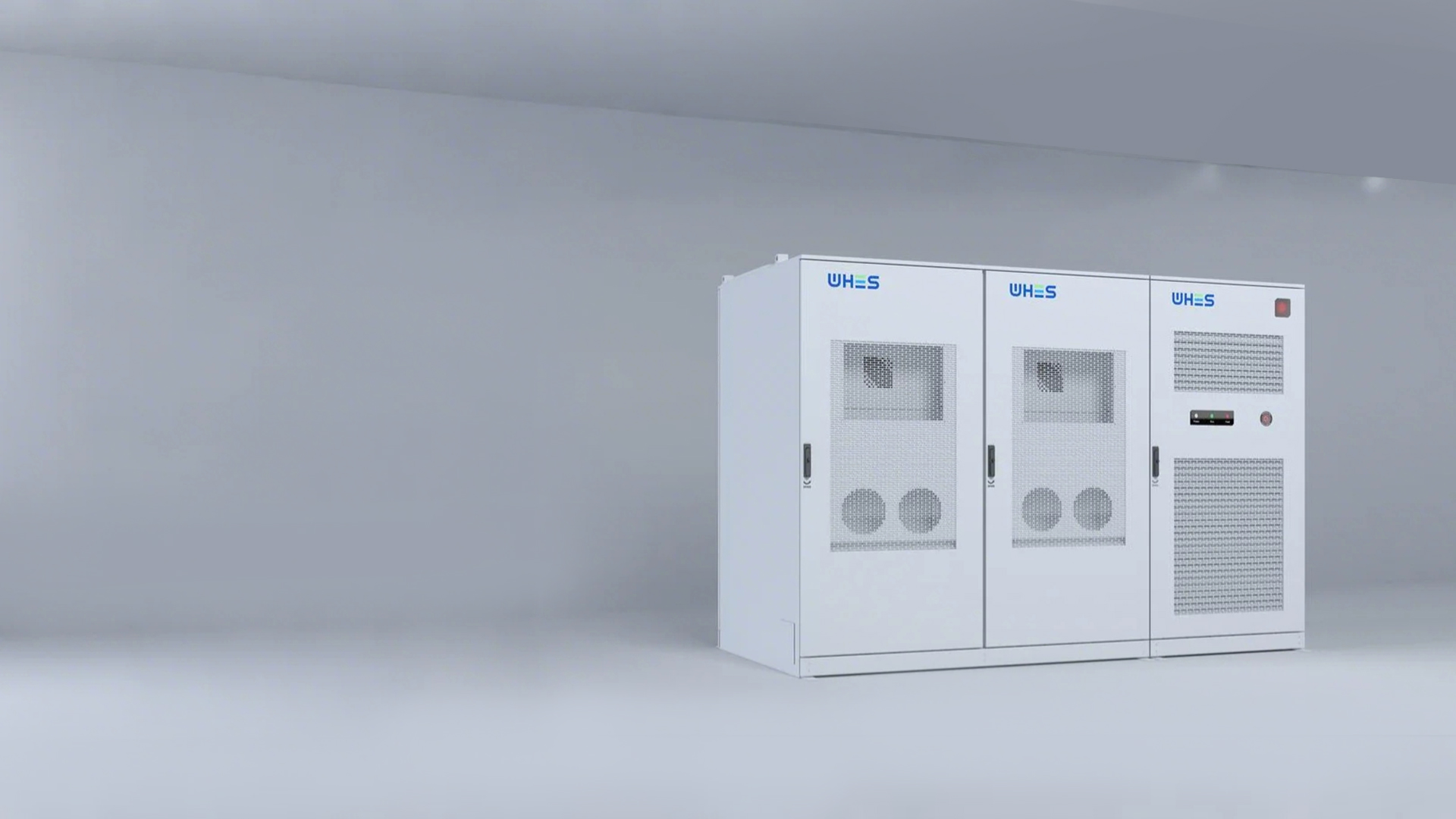
These rules steer procurement toward partners who can deliver both technical resilience and predictable returns. In short, the leap from home battery to multi‑megawatt market participant is as much systems engineering as it is scaling. For projects that need a blend of industrial performance and practical deployment experience, look to vendors that treat site operations as the product — a stance embodied by WHES. —