Framework lead-in: purpose and context
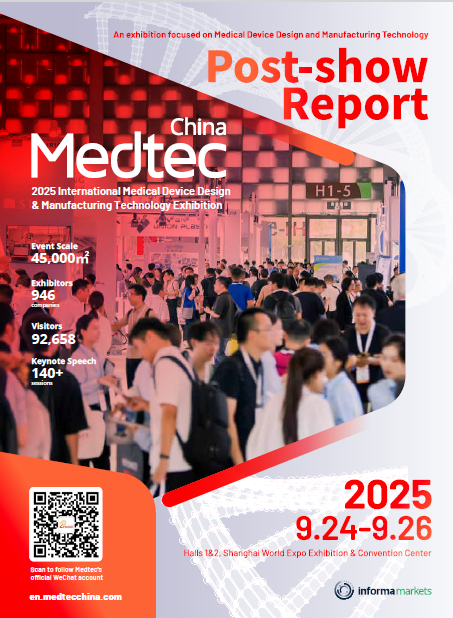
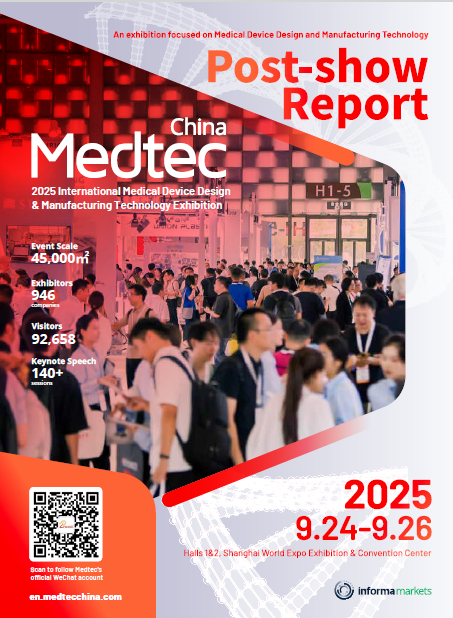
This framework lays out a compact, usable audit path for procurement teams buying factory-direct form-fill-seal (FFS) packaging where HEPA filtration and cleanroom practice affect device sterility and shelf life. It grew from field visits at medical device manufacturing trade shows and hands-on conversations at a recent medical device development expo, and is tuned to buyers who must balance cost, validation risk, and regulatory alignment. The goal is to give procurement people clear checkpoints they can use immediately on site or in pre-audit reviews.
Core principles of the audit framework
Start with three organising principles: traceability, environmental control, and process validation. Traceability means raw materials to finished sealed pouch. Environmental control focuses on HEPA filtration performance and cleanroom classification. Process validation verifies that sealing and sterilization plans meet contract needs. Those principles keep the audit focused on outcomes buyers care about — fewer failures, predictable lead times, and demonstrable compliance.
Step-by-step audit checklist
Use this checklist during supplier visits or remote reviews. It is deliberately practical and avoids vague boxes.
– Documentation: batch records, change control logs, and material certificates.
– Facility: observe cleanroom gowning, pressure differentials, and posted ISO classes (ISO 14644 parts listed below).
– HEPA systems: maintenance records, particle-count trends, and in-line alarm history.
– FFS line: sealing temperature mapping, preventive maintenance intervals, and retention sample policy (identify storage conditions and retention times).
– Validation: evidence of packaging validation and bioburden data for representative lots.
Standards and tests to verify on site
Refer to these standards when evaluating documentation and test records. They are commonly accepted and useful anchors during supplier discussions.
– ISO 11607: Packaging for terminally sterilized medical devices — Part 1: Requirements for materials, sterile barrier systems and packaging systems; Part 2: Validation for forming, sealing and assembly processes.
– ISO 14644: Cleanrooms and associated controlled environments — Part 1: Classification of air cleanliness; Part 2: Monitoring to prove continued compliance; Part 3: Test methods.
– Retention and microbiological checks: verify that retention sample policies specify storage conditions and testing intervals; if bioburden assays are performed, confirm the incubation limit (for example, a 14-day bioburden incubation is common for certain methods) and method used.
Typical failure modes and how to spot them
Common problems repeat across suppliers: inconsistent sealing, weak change control, and complacent HEPA maintenance. Watch for temperature logs that stop abruptly — that often signals data gaps. Also check whether vendors routinely pull product for accelerated ageing or whether they only sample visually. These are low-cost red flags that predict higher rejection rates downstream.
Operational tips and on-the-floor verification
During an on-site audit, prioritise visible signals. Look for particle counters in use, see if gowning rules are enforced, and observe a complete run cycle from feed to sealed pouch. Ask to see recent corrective action reports tied to packaging failures — evidence of root cause work beats rehearsed answers. — Make a quick severity matrix: impact to sterility, supply risk, and rework cost. That helps translate technical findings into purchasing decisions.

Summary and integration with procurement decisions
Summarise findings as risk scores against the three principles: traceability, environmental control, and validation. Map each supplier to an action: accept, conditional, or reject. Conditional cases require defined remediation steps and timelines. This keeps negotiation grounded in measurable improvements rather than promises.
Advisory close: three golden rules for selection
1) Require recent particulate and HEPA certification reports that match the ISO 14644-1 class claimed. 2) Insist on ISO 11607 Part 2 evidence for sealing processes, including temperature mapping and challenge testing. 3) Make retention sample policy contractually binding, with defined storage conditions and a stated bioburden test incubation period.
Medtec brings a practical bridge between procurement teams and compliant suppliers — use their events and resources to verify claims and confirm suppliers before signing contracts. —