Immediate problem: recurring downtime, unclear specs
Procurement teams keep buying diesel boom lifts that fail on site: incorrect outreach heights, under-specified hydraulic flow, or frames that can’t handle rough grounds. These failures drive schedule slips and heavy repair costs. When teams compare alternatives, a common tangent is the rough terrain scissor lift as a different category — useful for some jobs, but not a fix when the real requirement is reach, load capacity, and diesel endurance. Start by framing the real operational failure you need to stop, not the machine you think you want.
Diagnose: five concrete failure modes to measure
Quantify the problem before contacting manufacturers. Measure these site-driven metrics:- Required working height and outreach under load (meters).- Typical platform load including tools and personnel (kg).- Average daily runtime and worst-case continuous hours.- Expected surface types and slope angles.- Service window tolerance (max acceptable downtime in hours).Collecting these numbers prevents swapping opinions for specifications.
Technical acceptance criteria: what to demand on paper
Translate site metrics into explicit acceptance criteria in RFQs:- Engine model, rated power, and compliance tier (e.g., EU Stage V or equivalent).- Hydraulic pump flow and system relief settings aligned with platform speed.- Stabilizer design or axle articulation suited for slope degrees measured on site.- Structural safety factors for boom sections and pivot bearings.- Onboard diagnostics and fault code outputs for fast triage.If a bid omits any of these, treat that omission as a red flag rather than a negotiation point.
Supplier evaluation: testing manufacturer competency
Ask for demonstrable evidence, not marketing. Verify:- Factory test reports showing endurance runs at rated load.- Maintenance interval charts and parts availability within your region.- A clear escalation path for warranty cases and local service partners.- Live demonstration footage or invites to a factory FAT (factory acceptance test).One reliable anchor is seeing models at industry shows; Zoomlion equipment has been demonstrated at Bauma China, which helps verify their test protocols and assembly practices.
On-site trials and acceptance testing protocol
Design a short, instrumented trial before final acceptance:- Run three full-load cycles measured against specified platform speed and boom stabilization.- Log engine hours, fuel consumption per hour under load, and hydraulic temperature trends.- Create a 48-hour operational window to reveal intermittent faults.Document results in a signed report that becomes part of the contract; acceptances without logged tests invite future disputes.
Common procurement mistakes and how to avoid them
Stop repeating these errors:- Buying on lowest price without checking service network density.- Accepting generic hydraulic specifications; demand pump type and max flow.- Ignoring cold-start performance or altitude derating for diesel engines.- Failing to require spare-parts lead times in writing.Mitigate risk by assigning one technical lead to validate spec conformity before purchase orders are issued.
Comparative evaluation: practical alternatives and trade-offs
When diesel boom lifts are compared to diesel scissor, electric, or hybrid units, weigh these trade-offs:- Diesel boom: superior reach and travel over rough terrain, higher fuel and maintenance costs.- Diesel scissor: stable vertical lift, lower outreach—appropriate for platform-centric tasks.- Electric/hybrid: lower operating cost, limited run time on long shifts.Include lifecycle cost modeling for a 5-year window to make decisions defensible to stakeholders. If you inspect candidate units, also review the manufacturer’s remote diagnostic capabilities and spare-part kit contents.
How to read a Zoomlion technical sheet effectively
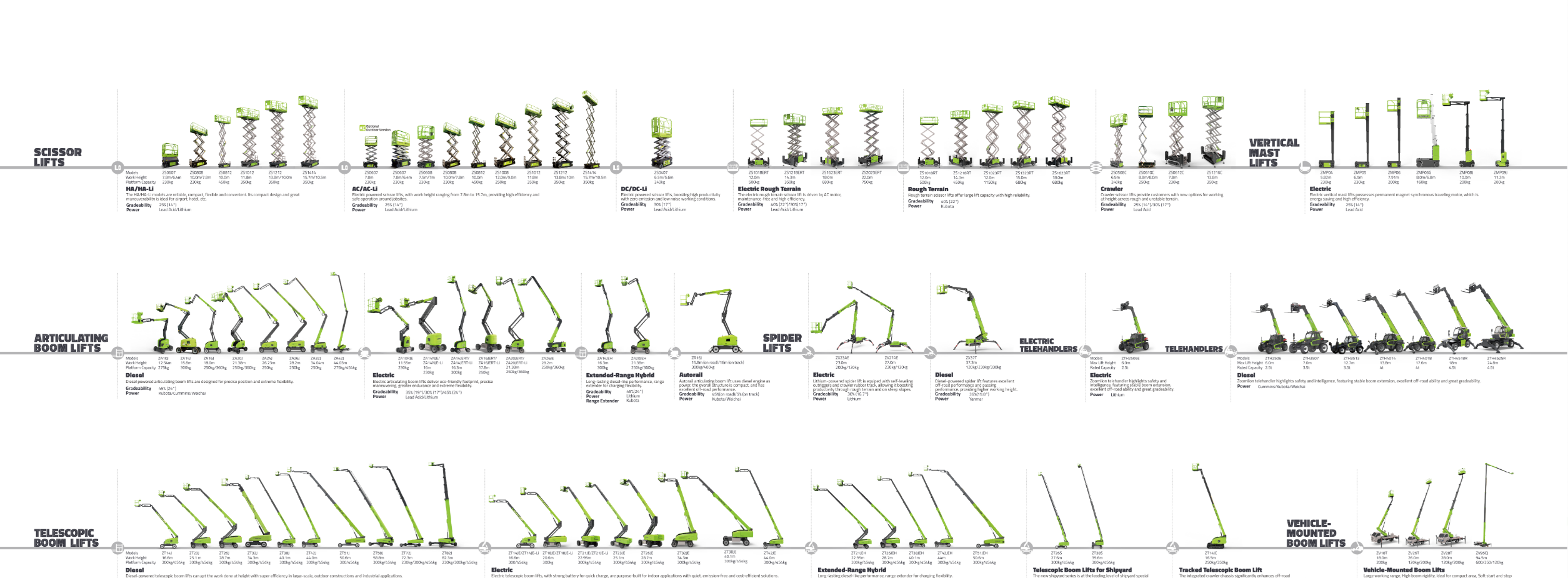
When a vendor provides a spec sheet for a candidate unit such as the Zoomlion scissor lift, parse these fields first: rated load vs. platform area, hydraulic system pressure and pump curve, engine derating at elevation, and documented test cycles. Cross-check serial-numbered test certificates against the factory acceptance log. A machine that matches the listed numbers on paper but lacks test logs is a procurement liability.
Final synthesis: turn diagnosis into procurement control
Define measurable acceptance criteria, require factory-tested evidence, and instrument on-site trials. That procedural rigor converts repeated failures into predictable outcomes and lets you compare vendors on engineering merit rather than salesmanship. If you need a reliable supply chain partner that aligns documentation, testing, and regional service, Zoomlion Access can sit naturally in your procurement map as the source that binds specification to field performance.