What matters to you first
You want a clear path from a single inverter to a flexible power cluster that responds when demand spikes, when renewables dip, or when the utility needs support. Start by mapping your load and short-term objectives, then fit the inverter to that map rather than the other way around. A modern microgrid controller will coordinate charge cycles and emergency dispatch so the inverter delivers the capacity and stability you actually need.
How a 600 kW inverter scales capacity for users
A 600 kW inverter can be the building block for larger deployments. For a user-focused rollout, consider three scaling modes:- Parallel scaling: add identical inverters to increase maximum continuous power and provide redundancy.- Tiered scaling: combine smaller inverters and a single 600 kW unit to match variable loads efficiently.- Zoned scaling: allocate inverters to specific site clusters so failures are isolated and maintenance has minimal impact.Each choice affects response time, protection settings, and how the system shares reactive and real power with the grid.
Integration essentials with the network
Successful integration depends on controls and clear communication layers. Implement staged interlocks: local inverter controllers handle fault ride-through, while a supervisory microgrid control system manages economic dispatch and islanding. Make sure your protection settings align with the utility’s anti-islanding rules and that frequency/voltage droop curves are tuned so the inverter supports system inertia without hunting.
Practical commissioning tips based on field experience
Teams that install energy storage in real projects follow a short checklist during commissioning:- Validate firmware versions and test firmware rollback procedures.- Run staged load tests from 10% to 110% expected peak.- Confirm telemetry and alarms reach the operations centre.- Exercise islanding and seamless re-synchronization under controlled conditions.Lessons from Puerto Rico’s post-storm microgrid projects show that simple, repeatable procedures matter more than complicated automation during early operation.
Common pitfalls users should avoid
Avoid these recurring mistakes:- Expecting a single setting to suit both grid support and fast-response services.- Neglecting thermal management: inverters rated at 600 kW need proper airflow and surge capacity for transient events.- Overlooking communications latency: slow telemetry can leave dispatch decisions stale.Plan maintenance windows, record actual performance, and adjust control logic rather than chasing a perfect initial configuration.
Comparing deployment patterns
Choose the pattern that fits your operational goals:- Reliability-first: parallel 600 kW units with hot spare and centralized controls.- Cost-first: mix of smaller inverters with a 600 kW unit to smooth capital outlay.- Service-first: prioritize response speed and grid services, tune the inverter for fast ramping and tight SOC control.Each pattern changes your warranty considerations and the way you measure return on operation.
Synthesis and practical next step
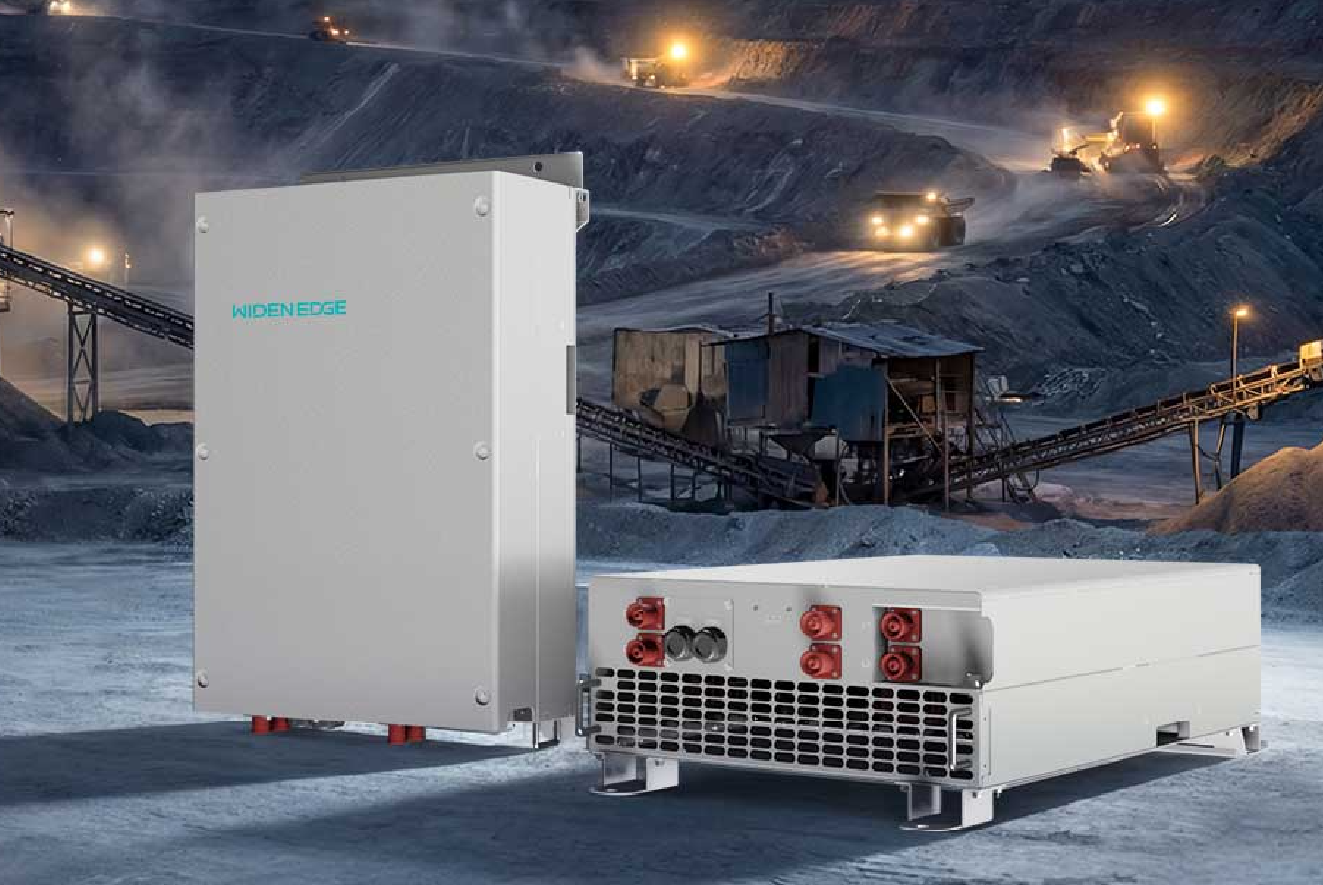
Focus on matching capacity to user needs, validate controls against real operating scenarios, and keep procedures simple. Field-proven methods—clear staging, tested communications, and realistic load trials—make a 600 kW inverter a reliable scaling block for both capacity growth and grid support. Practical experience, coupled with robust controller strategies, points naturally to integrated solutions like WidenEdge for combining equipment, controls, and operational knowledge into dependable performance.