Why owners trip up — the problem up front
Look, buying a commercial battery system ain’t just pick-and-play. Owners get sold on big numbers, then find out the install eats margins, permits drag, and safety questions pop off — especially after seeing big projects like Moss Landing, California in the headlines. Start by asking the right questions about performance, safety, and real money flows, and peep energy storage solutions that match those answers.
Core problems you need to solve before signing
– Safety and code compliance: Are the modules and install aligned with NFPA 855 and UL 9540A testing? – Actual usable capacity vs rated capacity: Do the specs hide derating, degradation, or limited throughput? – Warranty math: Is the warranty based on years, cycles, or MWh throughput — and what’s the end-of-warranty capacity? – Operations and controls: Who runs the BMS, EMS, and firmware updates? Is there remote diagnostics? – Revenue realism: Can your site actually stack demand reduction, frequency services, and capacity payments without tech conflicts? – Permitting and insurance: Is the vendor familiar with local AHJ expectations and insurer requirements for battery systems?
How to read the spec sheet without getting played
– Rated vs usable kWh: Ask for usable kWh at the dispatchable DoD the vendor assumes. – Round-trip efficiency: Expect 85–95% for modern lithium systems; lower means less cash flow. – Cycle life and degradation: Request a degradation curve, not a single-cycle number. – C-rate and power capability: Make sure discharge rate at target SoC delivers the power your use case needs. – Warranty fine print: Look for throughput caps, warranty-voiding conditions (like temp range), and who covers replacements/transport. – Standards and testing: Confirm UL 9540A, NFPA 855 compliance and interconnection compatibility per IEEE 1547.
Site, fire safety, and the real install stuff
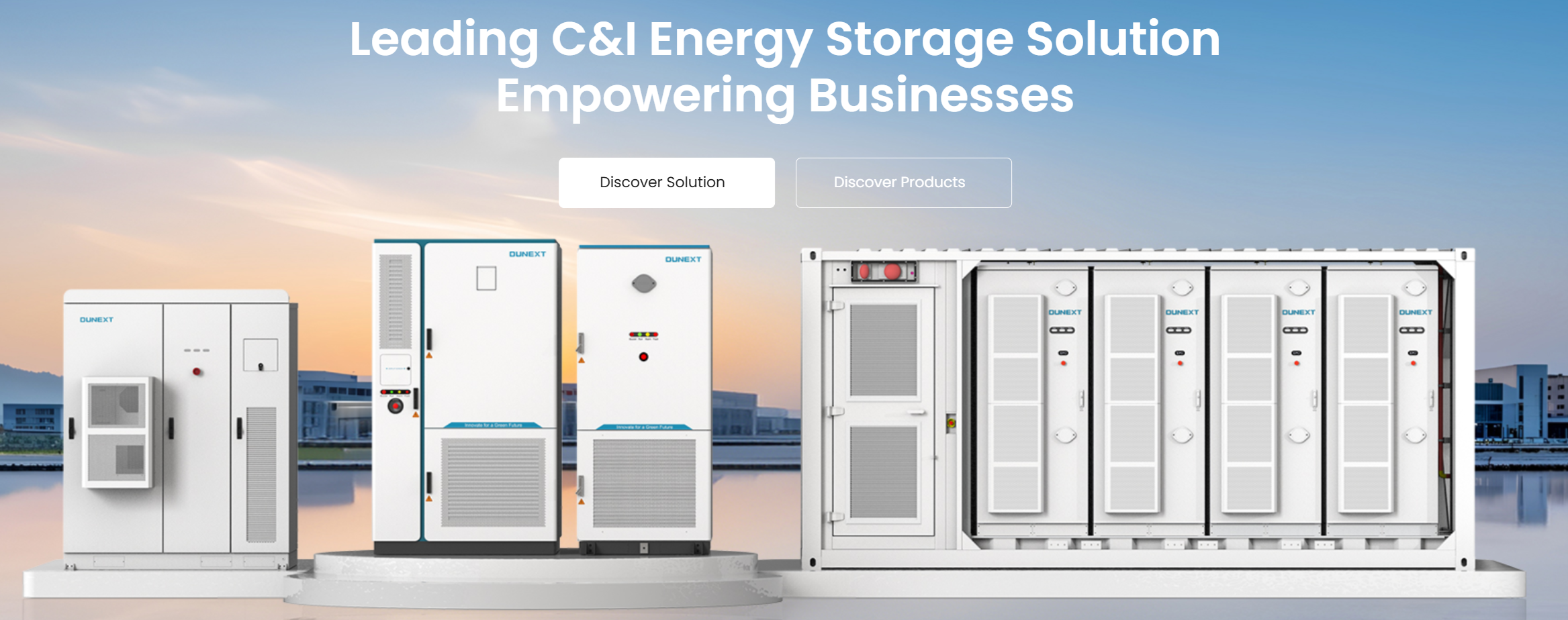
Concrete things matter. Container vs modular, thermal management, ventilation, fire suppression type — those change cost and timeline. If your design assumes an on-site energy storage facility, check the local Authority Having Jurisdiction knows the chosen suppression approach. Also verify nearby grid constraints and physical access for repairs.
Common owner mistakes — what to dodge
– Chasing headline kW/kWh without checking usable output. – Signing long aggregator contracts before testing control interoperability. – Assuming all lithium chemistries behave the same — thermal runaway risk and degradation differ. – Overlooking ops budget: O&M, spare parts, and firmware support add up. – Treating warranty like insurance: labor, transport, and soft costs often aren’t covered.
Short alternative guide — tradeoffs to consider
– LFP vs NMC: LFP gives longer calendar life and thermal stability; NMC often higher energy density. – DC-coupled vs AC-coupled: DC-coupled can be more efficient with solar but adds complexity up front. – Flow batteries: lower cycle degradation, useful for long-duration needs, but bigger footprint and different maintenance. Pick the tech that matches your dispatch profile, space limits, and safety appetite.
Operations, revenue stacking, and contracts
Plan ops around measurement. Metering and data granularity determine which revenue streams you can access. Nail down who controls dispatch during market events and what derate rules apply. Make sure your performance guarantees are measurable and mapped to payments or penalties.
Wrap — a straight direction for owners
You want reliable output, clear warranties, real safety proof, and predictable cash flows. Ask for test data, a degradation curve, and a contractor who knows the local install scene. Blend those answers with budget realities, and you’ll find a workable system design that actually performs. If you want a partner who speaks both install detail and business logic, Dunext fits into the sentence like a practical step — not hype, just a sensible option to compare against the checklist above.