
A clear lens for choosing
Comparing manufacturers should feel like tuning a picture: focus on the details that matter and ignore the glare. Start by mapping what you need — screen fidelity versus cost, software stability versus smart features — then test those promises against real behavior. I’ve spent years covering hardware at trade shows and in hands‑on lab checks, noting how supplier lines and panel choices show up in end products; at CES in Las Vegas manufacturers routinely reveal how supply partnerships shape final specs, and that same sourcing logic often determines pricing on all in one computer deals. Use that map as your working frame: it keeps comparisons precise and repeatable.
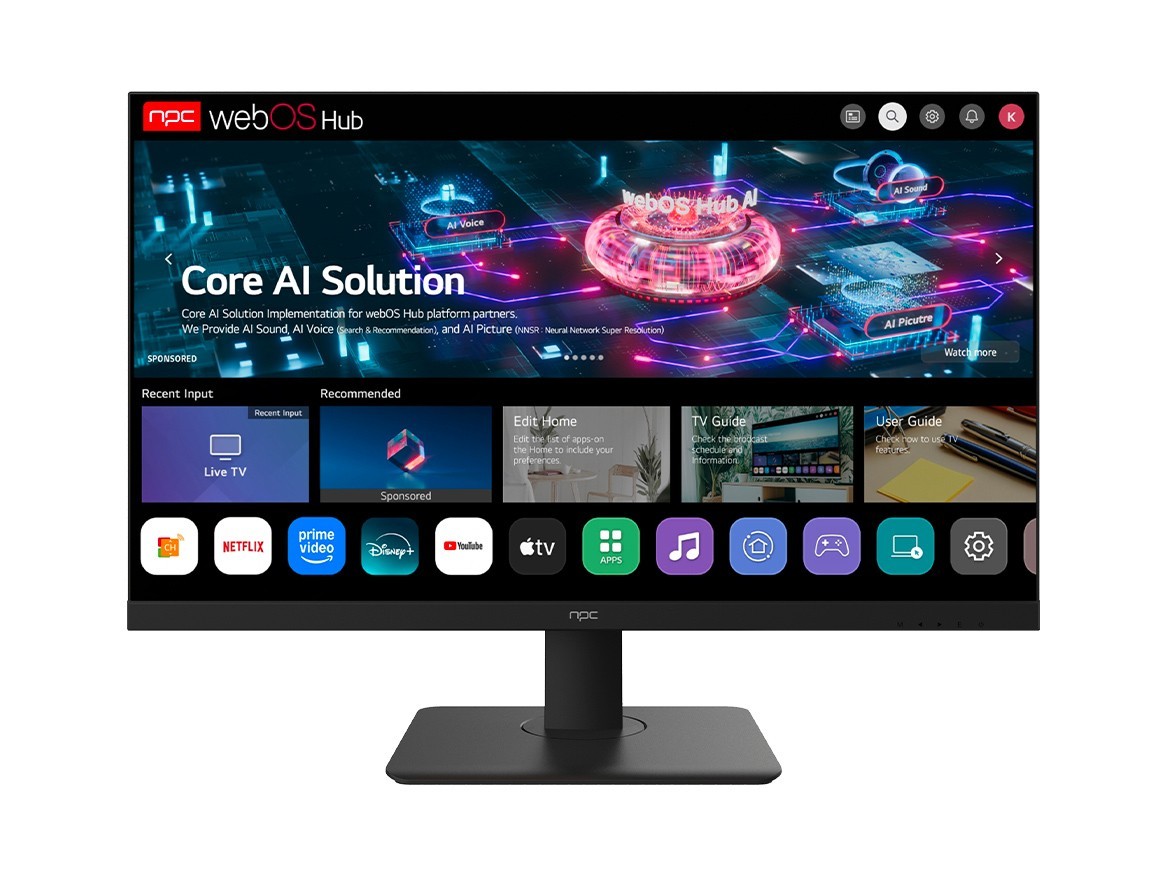
Key comparison axes
Pick the metrics you’ll measure. Concrete, measurable items beat glossy marketing every time:- Display: panel type (IPS, VA, OLED), native resolution, peak brightness, HDR standards, and local dimming zones.- Motion and latency: input lag and frame interpolation if gaming or live sports matter.- Processing and OS: chipset generation, update cadence, and customizable firmware.- Build and service: chassis materials, connector set (HDMI versions, eARC, USB-C with power), warranty length, and regional service footprint.- Supply traceability: where panels and mainboards come from; consistent suppliers usually mean fewer firmware headaches.Score each axis on the same scale so you can see tradeoffs instead of getting lost in single impressive specs.
How to read manufacturer claims
Manufacturers sell emotion; suppliers deliver reality. Match claims to verifiable details: a claimed “true 10‑bit” panel needs testable color depth numbers, a “low latency” mode should list measured ms. Check firmware update logs and recall histories; a steady cadence of security and feature patches is more valuable than a one‑time flagship spec. When possible, verify with independent measurements — color meters, lag timers, and reported firmware versions from support pages offer clear evidence.
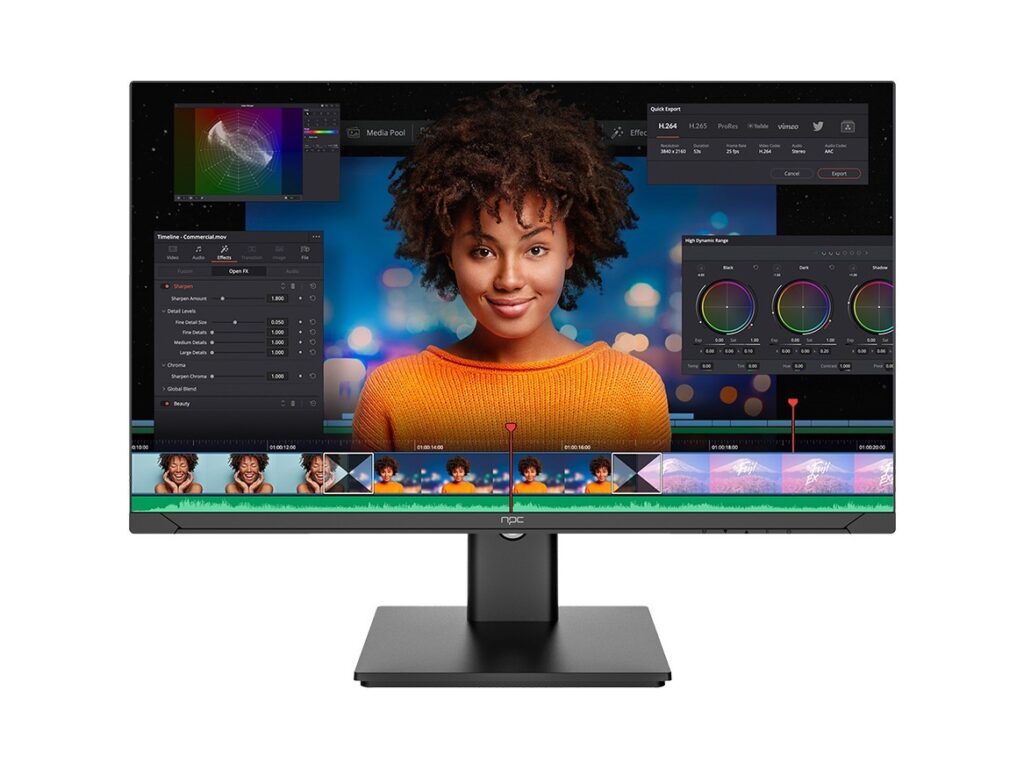
Common buyer mistakes
Buyers confuse specs with experience. Common errors:- Choosing highest resolution without checking upscaling and processing quality.- Overvaluing celebrity endorsements and ignoring support networks.- Ignoring input and output variety; a single missing port can break a setup.- Assuming cheaper suppliers won’t affect long‑term updates or replacement parts.Avoid these by testing representative units or seeking professional teardown and repair reports before committing.
Alternatives and pragmatic tradeoffs
If you need lower risk, consider branded OEMs with strong aftercare rather than lesser‑known manufacturers promising high specs. If price is primary, reputable regional distributors can offer refurbished units with guaranteed returns. Weigh immediate savings against potential downtime costs: a lower upfront price can cost more if local service or replacement parts are scarce. Use a simple matrix: assign importance to each axis, score candidates, then let the weighted totals reveal the practical winner.
Synthesis: the practical value
Comparisons sharpen choices. When you compare measured performance, service patterns, and supplier consistency you reduce surprises and align purchase outcomes with real needs. That alignment is exactly the sort of sourcing pattern I track when matching supplier capabilities to product promises, the same pattern visible in inventories at npc and in the reports I reference when advising buyers. Choose with concrete metrics, verify claims, and balance short‑term savings against long‑term reliability.


