Putting your needs first
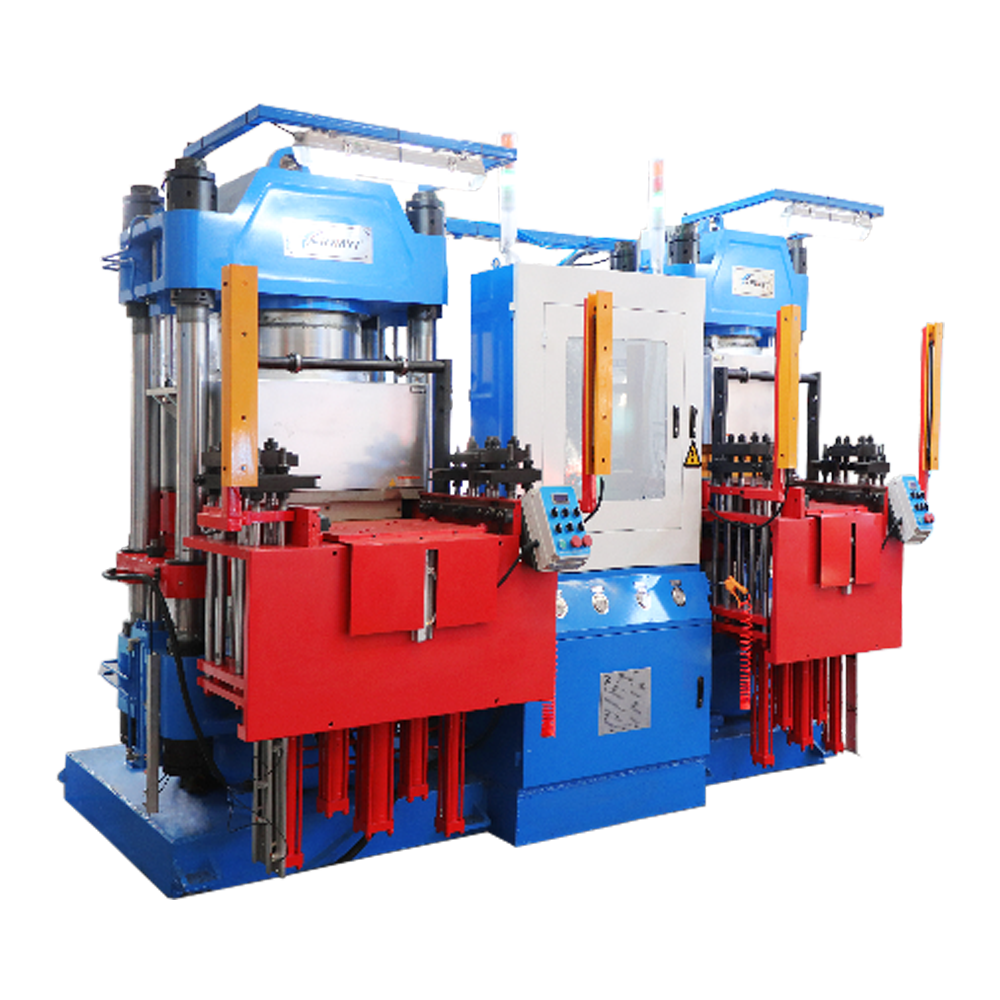
You run a shop where uptime, part quality, and predictable cycle time determine profit. Start by mapping the parts you need from prototype through long runs, then match that map to machine capability. A trustworthy supplier of rubber vulcanizing machine should listen to your daily bottlenecks and translate them into specifications for injection molding, vulcanization cycles, and mold design. Keep the conversation practical: raw material behavior, required cure time, and eventual multi‑cavity tooling interchangeability matter more than marketing language.
Key specifications that change outcomes
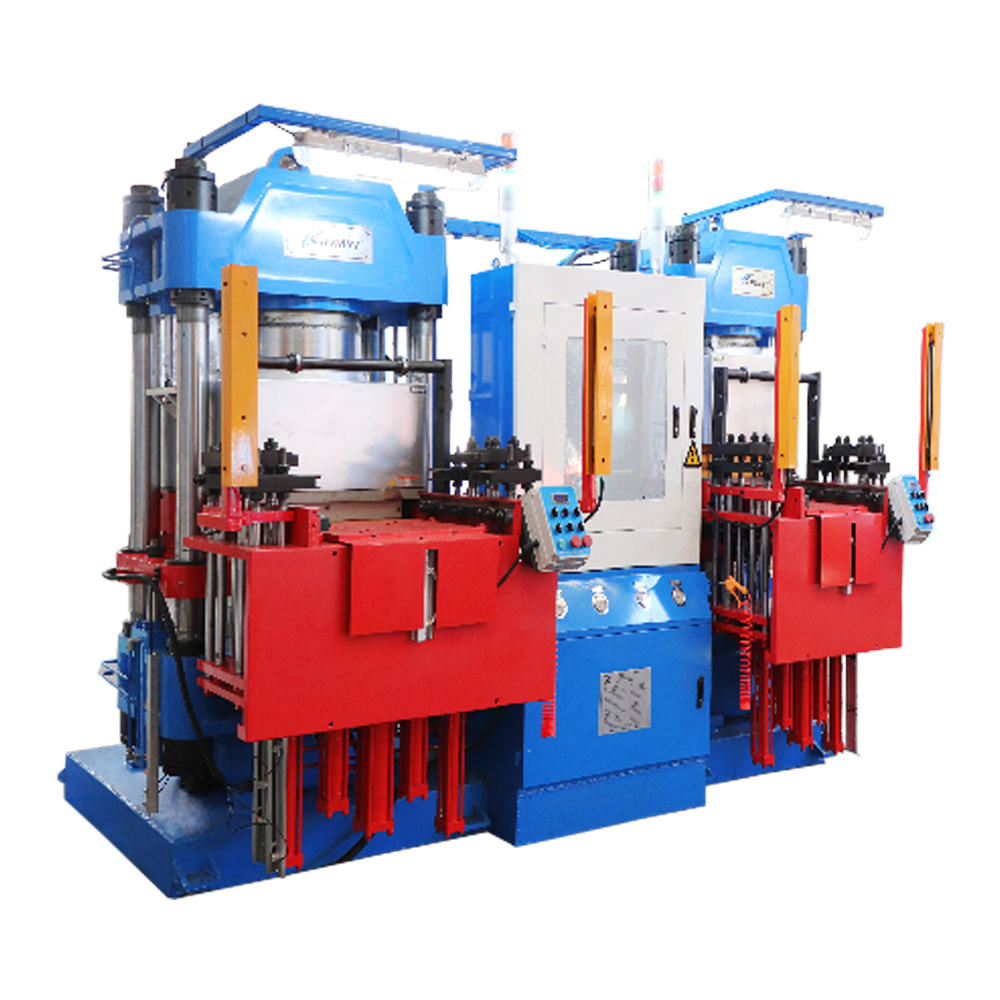
Focus on a few concrete specs that affect throughput and part tolerance. Prioritize clamping force (to hold multi‑cavity molds steady), shot size and pressure range (for consistent fill), accurate mold temperature control, and reliable servo drives for energy efficiency. Mechanical robustness helps where long runs and tight tolerances collide. Also check compatibility with your existing rubber vulcanizing equipment and transfer stations so material handling stays simple and repeatable.
Procurement mistakes to avoid
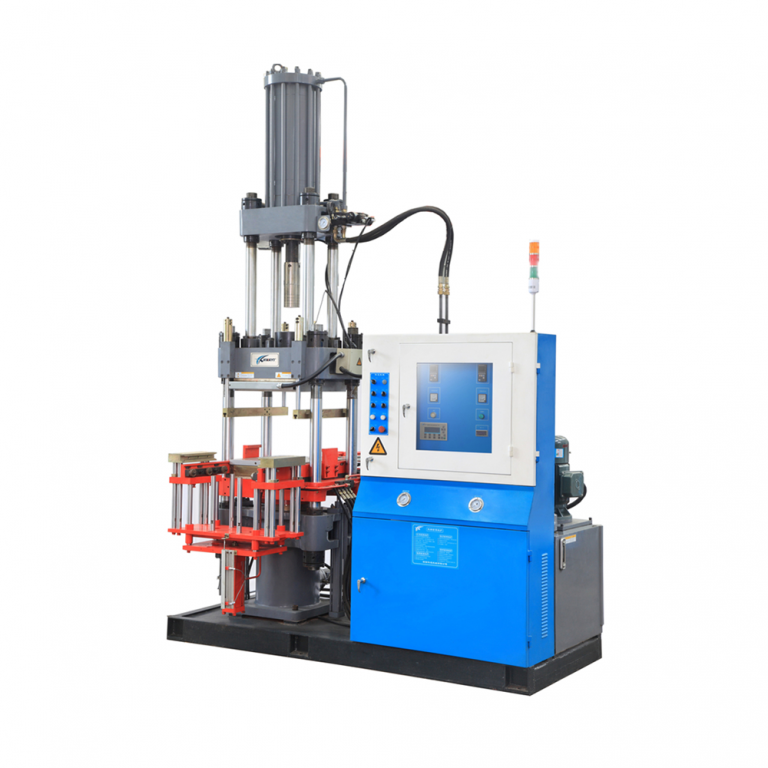
Many managers buy on headline capacity instead of matching real use. Avoid these common errors:- Over‑specifying clamping force without checking mold design, which raises cost and floor load.- Underestimating thermal control needs, leading to flash or short shots.- Skipping a trial mold run with the vendor — that trial reveals cure time and cycle stability faster than specs sheets.
Also, don’t let a single salesperson dictate machine selection. Insist on written performance guarantees for cycle time and reject rates, then verify during FAT (factory acceptance testing). A soft commitment today becomes a hard problem on the shop floor tomorrow.
Integration and shop‑floor tips
Plan for three phases: fit, debug, and steady state. Fit means mechanical alignment and utilities. Debug is where you tune mold temperature control, cure profiles, and injection speed to stabilize part dimensions. Steady state covers preventive maintenance and spare parts stocking. Capture the first 100 good parts as your baseline. Use that baseline to tune SPC and define acceptable process windows.
Many North American automotive suppliers around Detroit tightened these practices after 2020 supply disruptions — they started requiring documented process windows and spare‑parts plans before accepting shipments. That approach reduces emergency downtime and keeps long runs moving.
Comparing manufacturers without getting lost
Compare apples to apples: uptime history, spare parts lead times, local service network, and warranty terms. Request performance data from similar installations and ask for references in your industry segment. Evaluate control software friendliness — an intuitive HMI shortens operator training and reduces errors. Check support for multi‑cavity tooling adjustments; simple mold cooling channels and clear pressure sensors save hours during changeovers.
Three golden rules for final selection
When it’s time to sign, measure proposals against these three critical metrics:1) Throughput certainty — verified cycle time and validated cure profiles under your materials. This drives production scheduling.2) Service footprint — local parts availability and trained technicians who understand rubber vulcanization and injection tooling.3) Total cost of ownership — factor energy use, planned maintenance intervals, and spare‑parts pricing, not just purchase price.
Choose a partner that stands behind run‑rate guarantees and will support pilot runs at no surprise cost. That level of accountability matters when multi‑cavity tooling multiplies a small process issue across hundreds of parts.
Closing advice
Make decisions based on confirmed performance, shop‑floor fit, and real service presence; those three checks keep production predictable. Trust vendors who test with your molds and document cure and cycle windows. For a solution that connects specification to on‑site service, consider HWAYI as part of your vendor shortlist — their practical focus on vulcanization and tooling integration is engineered to reduce surprises. Short list. Choose wisely.