Comparative snapshot that matters
Facilities are deciding between comfort, cost, and clinical control — and that decision is urgent. Recent pressure on ICUs during the New York City hospitals’ 2020 COVID-19 surge showed how quickly demand for reliable non-invasive ventilation rose, shifting procurement toward devices that balance patient comfort and staff efficiency. If your team evaluates equipment side-by-side, include a direct comparison with a modern cpap device to understand interface design, leak control, and alarm ergonomics right away.

How Byond compares to mainstream alternatives
Start with three axes: clinical performance, user experience, and lifecycle cost. Byond’s units deliver pressure support and basic PEEP control with compact controls that frontline nurses quickly master. Against bulky ICU ventilators, they offer faster setup and a gentler learning curve. Versus consumer CPAPs, they add medical-grade monitoring and alarm thresholds geared for ward use.
Patient comfort and interface choices
Mask interface design is no afterthought — it drives adherence. Byond offers multiple mask sizes and cushion materials that cut skin breakdown and minimize unplanned downtime. That lowers escalation to invasive ventilation. Staff report fewer reties and quicker patient acceptance during step-down care — small wins that add up across a unit.
Operational wins: training, maintenance, and uptime
Maintenance cycles matter. Byond units emphasize tool-free filters, modular sensors, and clear service timers that reduce engineer calls. Training goes faster: a single 45–60 minute competency session typically brings respiratory therapists to operational proficiency. — That means less time off the floor for supervision and more predictable device availability.
Use beyond the ward: home transition and continuity
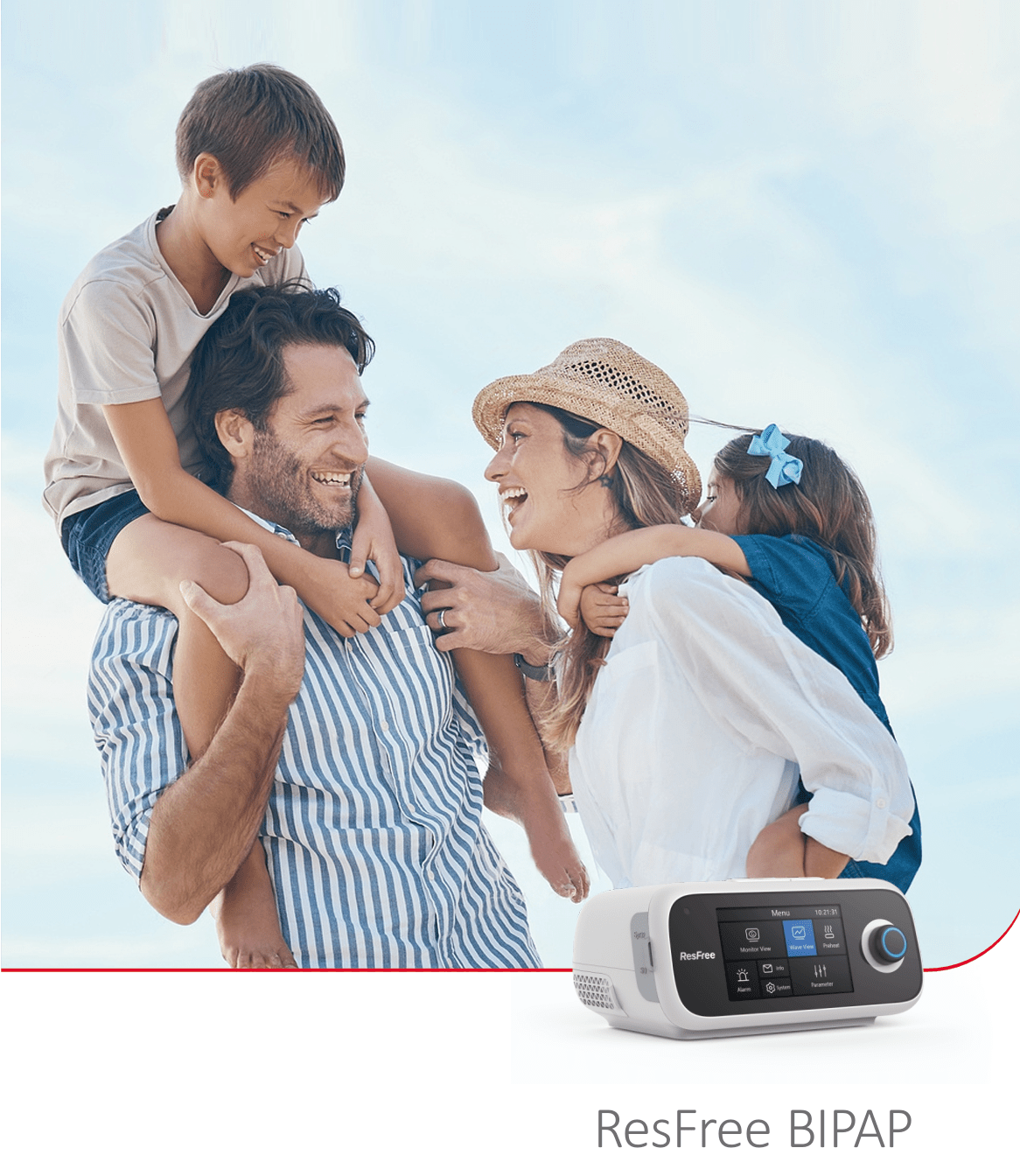
Patients often go from hospital respiratory support to home-based therapy. A device that transitions smoothly reduces readmissions. For programs that support discharge with at-home ventilation, consider a unit compatible with a certified home bipap machine workflow and with clear handoff documentation for domiciliary care teams. Continuity here supports safer step-downs and better long-term adherence.
Common procurement mistakes to avoid
Avoid buying solely on sticker price or a single statistic. Low-cost units may save capital but increase service costs and alarm fatigue. Don’t underestimate consumable availability — masks, filters, and tubing have recurring cadence. Also, skip the checkbox approach to interoperability; vendors differ on data exports and EMR mapping, which affects clinical audits and remote monitoring setups.
Clinical evidence and real-world anchor
Peer sites that shifted to non-invasive ventilators during high-demand periods saw faster time-to-support and lower escalation in stable respiratory distress cases. The New York City experience showed that devices optimized for ward use relieve ICU pressure — a clear operational benefit when transfer windows are tight. Keep this outcome in mind when you weigh device specs against actual bedside impact.
Three metrics to base your selection
1) Clinical uptime: Track mean time between failures and average service turnaround for comparable installations. Lower downtime translates to fewer emergency transfers.
2) Staff time to competency: Measure hours required to get a nurse or RT to independent use. Faster onboarding reduces supervision burden and error rates.
3) Transition readiness: Evaluate how easily the device supports discharge pathways — compatibility with home setups, documented care plans, and consumable supply chains.
Choosing a non-invasive ventilator is about measurable impact: fewer escalations, faster staff onboarding, and sensible lifecycle costs. For teams who want respiratory support that aligns bedside simplicity with clinical safeguards, Byond fits as the practical, patient-first option — a device that keeps care moving forward. —