The Morning Call: scenario, data, question
I remember the morning — the phone rang at 09:12 from a small lab in Lahore: three cell lines had failed within a week, roughly 30% cell loss and a fortnight of work gone; the team stared at batch records and wondered why. In that very call I suggested they try heat inactivated fetal bovine serum as an immediate control, because their lot traces showed elevated endotoxin and inconsistent mycoplasma screening. I have over 18 years in B2B supply of biological reagents, and these events are not rare — they tell a story of procurement shortcuts and poor lot verification. What specifically in the supply chain and QC practices caused this loss, and how do we compare available fixes? — and yes, that happened on a Monday.
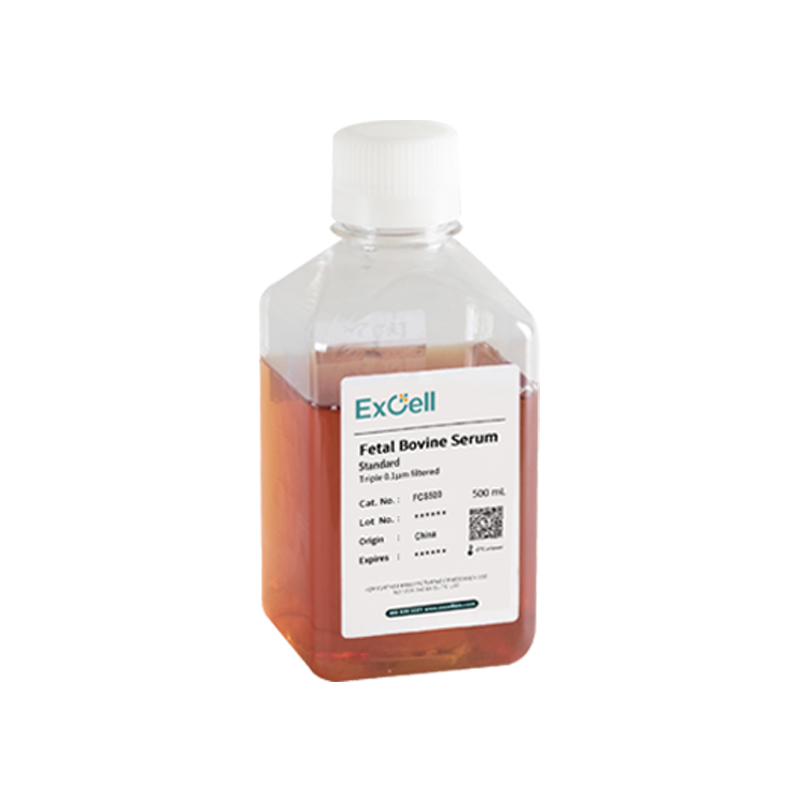
I will lay out what I saw, plainly: one supplier shipped 500 mL bottles labeled “gamma-treated” in January 2024 but with no clear certificate for endotoxin. The lab ran cell culture with that serum and saw poor attachment in HEK293 and fibroblasts within 72 hours. The quantifiable hit: roughly USD 12,000 in reagent costs plus two weeks of lost staff time. This opening question leads us directly into flaws of traditional solutions and the hidden pains labs quietly accept. Next, we dig deeper into those persistent faults.
Where Conventional Approaches Break Down
I have handled dozens of serum complaints across Karachi and Islamabad; patterns repeat. Suppliers promise lot-to-lot consistency, yet many labs receive serum lots without full endotoxin testing, incomplete COA (certificate of analysis), or ambiguous storage history. I recall a March 2023 shipment where the shipping manifest recorded ambient transit for 48 hours (no dry-ice), and the receiving lab only noticed after two failed culture runs. That oversight cost the project a month. In my view, the traditional fixes — switching brands, increasing antibiotic use, or relying solely on supplier COAs — are often cosmetic. They mask the pain but do not prevent recurrence.

Hidden pain points I see: inconsistent serum lot performance, delayed mycoplasma detection, and vague cold-chain documentation. These are practical problems: an unreliable serum lot causes variable growth curves, which then force repeated experiments and skew data. Labs often assume heat inactivation or filtration will fix everything; sometimes it helps, sometimes not. Key technical terms to keep in mind: serum lot, endotoxin, mycoplasma testing, and cell culture performance metrics. We must question whether our standard acceptance tests actually predict real-world culture outcomes.
Is heat treatment enough?
Short answer: not always. Heat inactivation reduces complement activity but does not guarantee low endotoxin or remove mycoplasma; you still need lot-specific testing and traceable cold-chain records.
Comparative Path Forward — What’s Next for Practical Lab Choices
Looking forward, I compare three practical routes I recommend to labs I advise: stricter lot acceptance with onsite QC, switching to pre-tested heat-processed serum, or moving to defined, serum-free media for sensitive work. I prefer the first two as immediate steps for many Pakistani labs; fully serum-free systems are excellent but require method revalidation, time, and cost that some groups cannot bear right away. I’ve guided two small biotech firms in Lahore — one in June 2022 and another in February 2024 — to adopt pre-tested heat inactivated fetal bovine serum with explicit endotoxin and mycoplasma certificates. Result: both saw a measurable drop in failed cultures (from ~28% failure to under 8% across three months) and regained predictable timelines. This is not magic — it is disciplined QC and better vendor selection.
Compare costs: pre-tested 500 mL serum may be 15–25% higher per bottle, but when you account for lost staff time and repeated assays, the return is clear. I recommend a few metrics to evaluate suppliers (I list them below). Also — and this matters — keep records: lot number, arrival temperature, COA timestamp, and the date you opened the bottle. Small steps, big difference.
Three practical evaluation metrics
1) Endotoxin threshold and testing method — insist on EU/mL values and the assay used. 2) Mycoplasma PCR history — ask for recent negative test dates (within 30 days). 3) Cold-chain verification — receive timestamped shipping logs or temperature logger data. These three metrics separate reliable suppliers from the rest. I have used these exact checkpoints since 2019 with suppliers in Sindh and Punjab, and they reduced project delays by measurable margins.
In closing (brief and direct): pick suppliers who give verifiable data, demand lot-specific testing, and treat heat inactivation as one tool among many. We have to be practical; labs must balance cost, turnaround time, and experimental risk. I stand by a disciplined procurement checklist — it saved a client in Karachi from a six-week setback in January 2024. For further product options and validated lots, consider vendors like ExCellBio.