
Introduction — a quick scene, a fact, a question
I was on a late shift once, watching an operator wrestle with a jammed reel while the clock kept ticking and the line lost output — familiar, right? In my view, that scene sums up why a wet tissue machine matters so much: uptime and consistency drive margins and customer trust. Industry reports say downtime can eat 8–12% of a plant’s productive hours (and that’s not small). So what are we really doing to cut those losses and keep the wipes flowing smoothly? I’ll walk you through what I’ve learned — practical bits, not jargon — and point to the real pain points you’ll want to fix next.
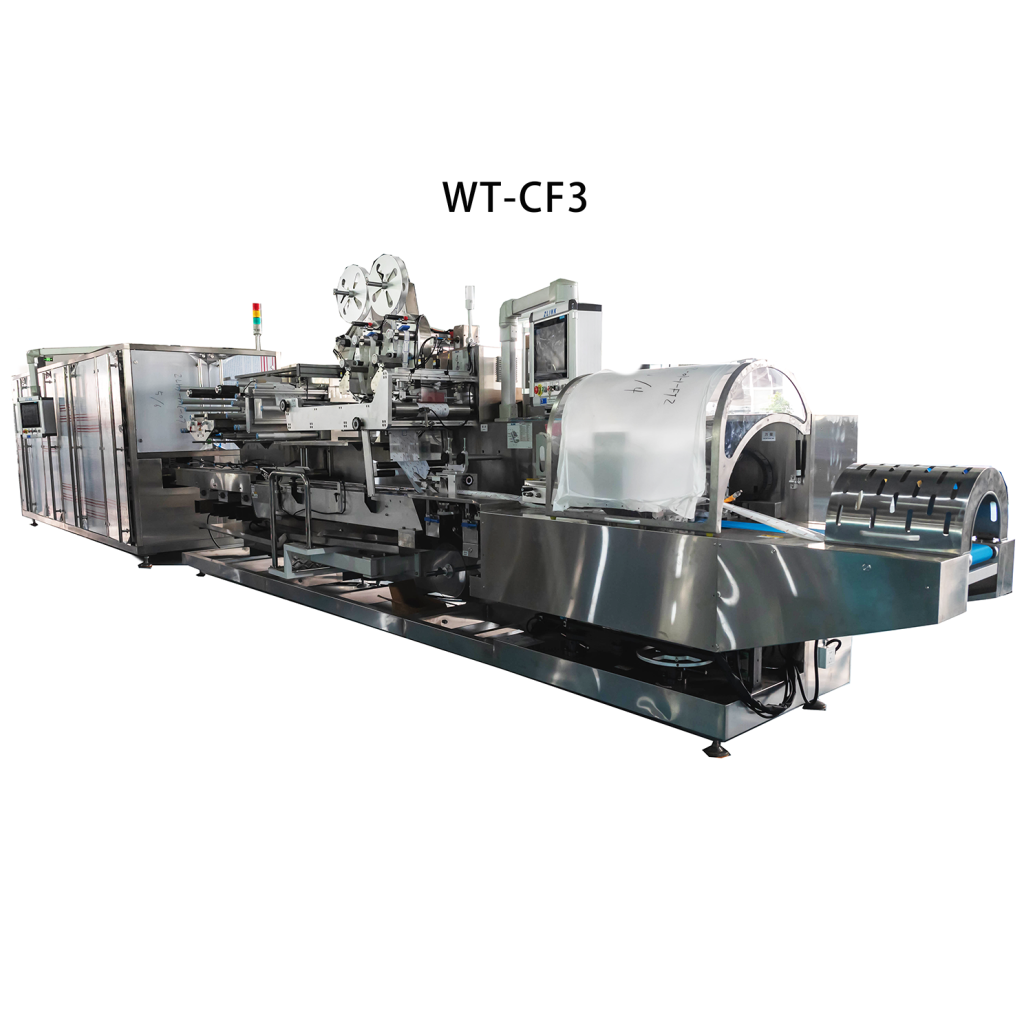
Where traditional lines fail — a technical look at the hidden wear points
When I first audited a plant making personal care wipes, I noticed the same flaws over and over: weak moisture control, uneven web tension, and aging PLC logic that didn’t cope with subtle material changes. These aren’t just abstract defects. They translate to miscuts, loose packs, and customer complaints. I’ve seen servo motor tweaks mask a problem for a week — then it comes back. If you ask me, the typical fixes are reactive: tighten a tension, replace a cutting die, tune a PID loop — temporary wins that don’t address root cause.
What’s really breaking behind the scenes?
Digging deeper, two themes show up. First, control strategy: older PLC programs assume ideal conditions. They lack adaptive control for humidity shifts or roll diameter changes. Second, maintenance culture: teams patch issues instead of measuring trends (no trend data, no progress). That’s why I push for better sensors and simple logging — nothing fancy, but consistent. Look, it’s simpler than you think: add a few moisture sensors, log web tension and motor current, and patterns appear. Then you can plan maintenance, rather than chase fires.
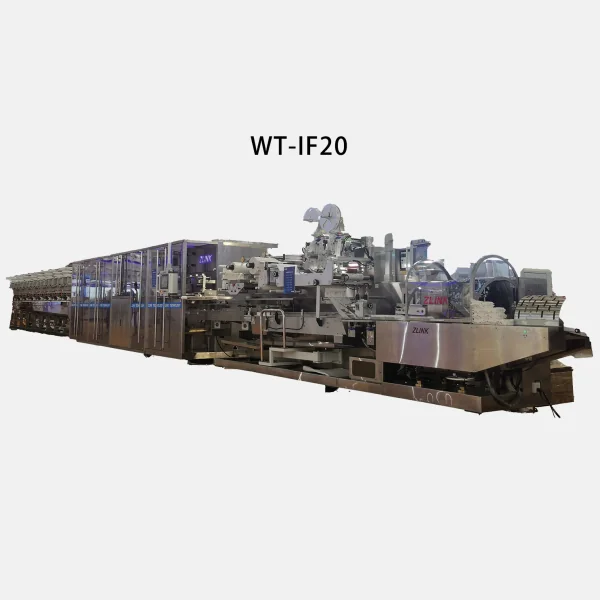
New principles that actually change outcomes — practical next steps
Moving forward, I favor principles over one-off fixes. For example, adaptive feed control lets a wet tissue machine compensate for roll build-up and fiber variability in real time. Pair that with predictive alerts from simple analytics and you get fewer surprises. I’ve worked with teams that used basic edge computing nodes to pre-process sensor data right at the line — low latency, less noise — and the difference in first-pass yield was obvious. Again, for products like personal care wipes, small control gains add up fast at scale.
What’s Next — practical implementation and metrics
Start small: pilot one line with extra sensors (moisture, web tension, motor current) and a modest data logger. Run it for a month, then compare rejects, downtime, and pack integrity. I recommend these three evaluation metrics when you choose a solution — because I’ve learned they matter more than flashy specs: 1) reduction in unplanned downtime (%) over 90 days, 2) improvement in first-pass yield (% of packs meeting spec), and 3) time-to-recover after a fault (minutes). Measure those, and you’ll see where to invest next. — funny how that works, right? We don’t need miracles. Just clearer data, simpler controls, and better habits.
I’ll be honest: I care about this because I’ve seen teams beat the odds with modest changes. If you want a dependable line, focus on sensors, smarter PLC strategies, and maintenance driven by trend data. That’s where you’ll get real, repeatable gains. For practical solutions and equipment, check out ZLINK — they offer hands-on gear without the fluff.


