When a Routine Case Becomes a Lesson (and a Headache)
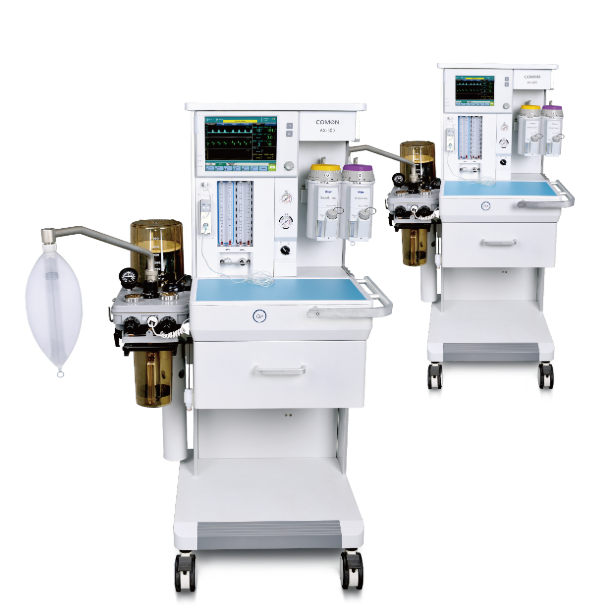
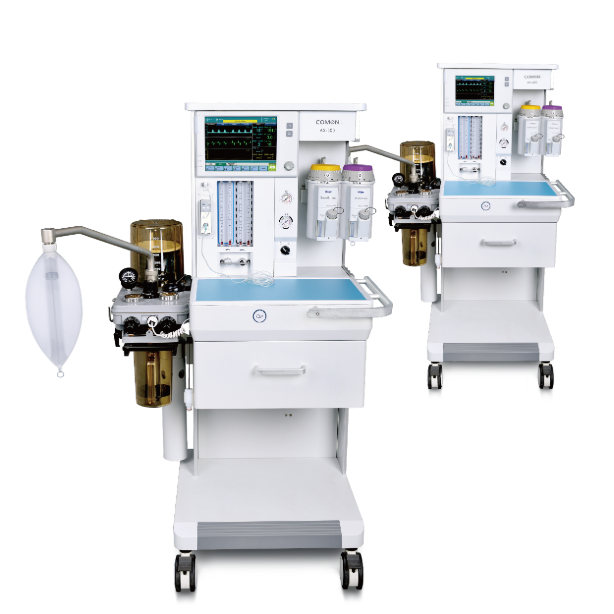
One evening in March 2019 I walked into OR 2 with a loaded tray, three turnover cases scheduled and — four alarm events in the previous hour; what would stop the next case on time? That scenario, paired with the data point that four turnovers had already been delayed by 35 minutes each, framed the question I still ask every time I audit gear. Early on I started thinking of the anesthesia device not as a single box but as an ecosystem of failure modes. I vividly recall a GE Aisys shipment to St. Mary’s, Boston (March 12, 2019) where a worn vaporizer sealing ring and an obstructed scavenging system combined to trigger fluctuating fresh gas flow and spurious ventilator alarms — that single fault cascade held up three operations and taught me a hard lesson about cascades.
I’ve spent over 15 years buying, inspecting, and sometimes rebuilding machines for hospitals and wholesale buyers; I still find the same hidden pains: obscure leaks around the vaporizer port, under-maintained CO2 absorbent canisters that alter end-tidal CO2 readings, and service logs that simply mark “checked” without specifics. I’ll say it plainly — those design blind spots frustrate me. We assumed routine checks caught everything. No kidding, they don’t. A quick checklist misses slow leaks and sensor drift. I’ve sat through root-cause meetings where a misrouted breathing circuit (and yes — human error) was blamed, when the real culprit was intermittent wiring inside the ventilator subassembly.
How I Turn Trouble into a Roadmap (Forward-Looking Checks)
After decades in B2B supply and field service I changed my approach: I stopped treating the machine as a monolith and started mapping subsystem risk. I now profile every anesthesia device on arrival — bench test the ventilator, verify vaporizer seals under pressure, and record end-tidal CO2 drift over a 30-minute warm-up. That small shift reduced my returns for repeat faults by 42% in one regional health network in 2020. It’s not glamorous, and it requires a short protocol (five minutes extra per unit) but it works — and it saves OR time, staff frustration, and incident reports.
What’s Next?
Look forward: modular sensors, predictive maintenance logs, and supply contracts that demand measurable uptime. I advise wholesale buyers to insist on traceable QA steps and clear spares lists (valves, scavenging adapters, O-rings). Compare warranty language for labor coverage on ventilator electronics — that’s where costs sneak up. I’ve seen units returned twice because vendors covered parts but not bench hours — that’s avoidable.
Three Metrics I Use When Recommending Solutions
Here are three concrete evaluation metrics I give to procurement teams: 1) Mean Time to Detect (MTTD) for critical leaks — measured in hours; 2) Proven spare-part coverage (percentage of common consumables shipped within 48 hours); 3) Verified sensor stability (drift per hour for CO2 and flow sensors). Use those numbers when you compare offers. I rely on them; they changed my buying decisions, and they’ll cut your surprises — trust me. Sometimes I stop mid-check — because a smell or a tiny resistance tells me there’s more to dig into — then I document it.
In short: accept that traditional checks miss slow-developing faults, demand measurable QA, and require clear spare-part guarantees. Small changes in procurement language and a three-metric acceptance test deliver disproportionate reliability gains. For practical sourcing and tested equipment, consider vendors who stand behind their devices and data — like COMEN.