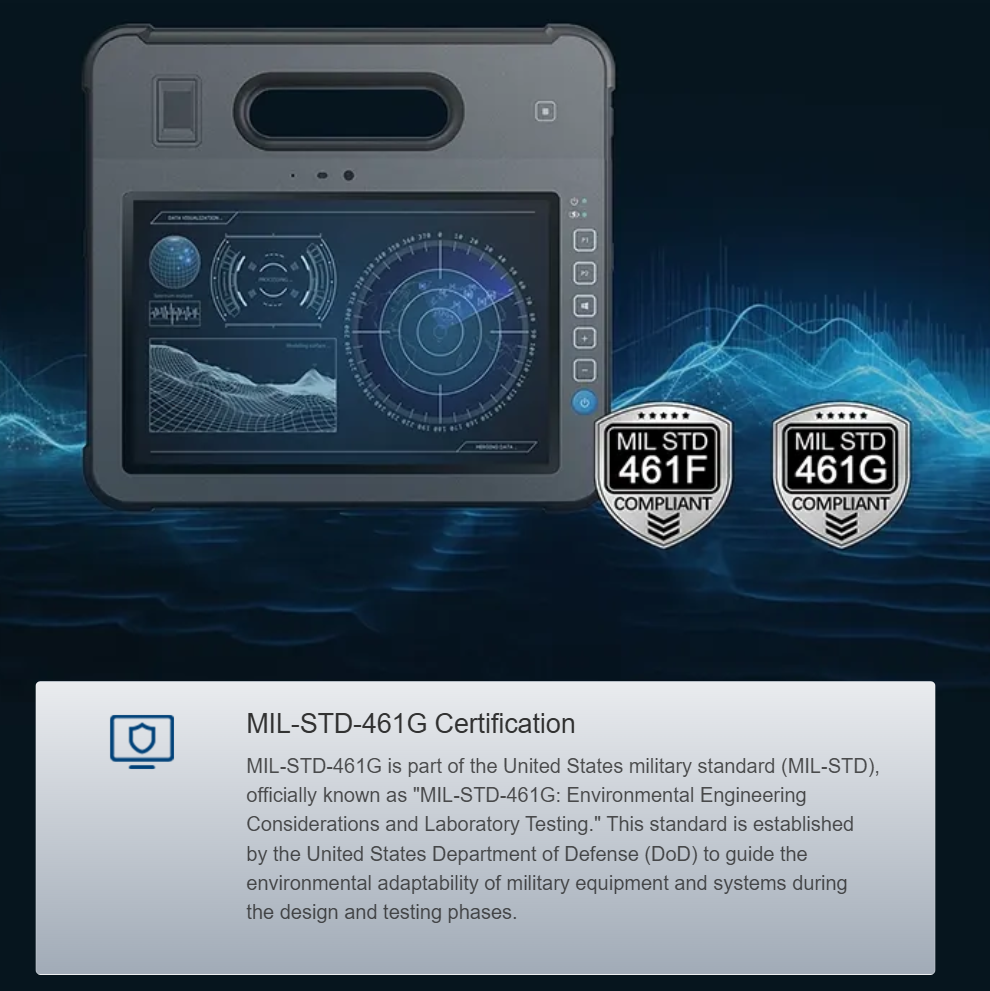
Straight Talk: Why Compare Components First
When shops pick a medical tablet, they usually argue about screen size or brand. Start with parts instead. Look at signal-to-noise ratio at the board level and the corrosion-resistant magnesium alloy chassis — those two decide if the device lives on the floor of an ER or dies after a month. For a hands-on example of devices built to medical specs, check this medical tablet computer. These are the concrete things that control uptime, not flashy marketing lines.
Build and Durability: Chassis vs. Environment
A magnesium alloy frame beats cheap plastic every time for drop resistance and chemical resilience. Hospitals run harsh cleaners and alcohol wipes; a corrosion-resistant magnesium alloy keeps joints tight and ports sealed. Look for IP ratings and MIL-STD-810G for shock and ingress. Those specs mean a machine survives routine knocks, not just a staged fall in a lab. Antimicrobial coating and sterilizable surfaces are worth the extra cash when infection control matters — remember, CDC notes about 1 in 31 hospitalized patients has at least one healthcare-associated infection on any given day. That’s the real cost of skimping.
Signal and Noise: Component-Level Diagnostics
It’s not just the antenna. Solder joints, EMI shielding, and placement of RF components change the device’s signal-to-noise ratio (SNR). A tablet with poor SNR drops Wi‑Fi handoffs and delays PACS sync — and delays cost time. Ask suppliers how they measure SNR at the component level, and demand those test logs. Don’t take “good enough” as an answer — it’s lazy. — Test results tell you how the device behaves in a crowded hospital wing with lots of radios.
Compliance and Software: What Makes a Tablet Medical Grade
Medical grade tablets tie hardware to software controls. They support HIPAA controls, remote wipe, and secure boot, and they fit into the hospital’s device management system. If you want a quick primer on certification and required features, see what is medical grade tablet. FDA guidance and enterprise-level mobile device management are common anchors; vendors who ignore them leave you holding the liability.
Common Mistakes and Alternatives
People buy consumer tablets and add a case. That’s the usual shortcut — and it fails. Consumer models lack MIL‑STD testing, proper ingress sealing, and often fall short on SNR due to poor internal layouts. Alternatives: choose purpose-built medical devices, or if budget hits hard, pick semi-rugged units with proven EMI shielding and replaceable batteries. Avoid these mistakes: skipping component-level test reports, ignoring sterilization compatibility, and failing to verify OTA update paths.
Quick Checklist for Teams Buying Tablets
Keep it simple on the floor. Evaluate devices against these concrete items:- Component SNR test results and EMI shielding documentation.- Chassis material (prefer corrosion-resistant magnesium alloy) and IP/MIL ratings.- Medical software compatibility: MDM, secure boot, and HIPAA-ready features.Those items separate toys from tools.
Advisory Close: Three Golden Rules
Rule 1 — Demand component-level diagnostics: SNR, EMI, and board-level test logs show real-world behavior. Rule 2 — Insist on chassis materials and test standards: corrosion-resistant magnesium alloy and at least IP65 plus MIL-STD proof. Rule 3 — Verify clinical fit: sterilizable surfaces, antimicrobial options, and secure software stacks that match your hospital’s policies. Follow those and you get reliable uptime, cleaner infection control, and fewer headaches for IT and clinicians.
Estone makes choices like that part of the package — practical hardware, tested components, and install-ready software. That’s how tools become dependable. —