Why this matters—quick, blunt
Outages cost money fast. If you run a store, data center, hospital wing, or a resort, a bad outage wrecks operations and reputation. After Hurricane Maria in Puerto Rico (2017) planners treated batteries as the core fix, not an add-on. That shift matters because whether you tie into an island microgrid or a city grid, the choices you make now set costs and uptime for a decade.
The problem-driving choices you must solve first
Start with three hard questions. Answer them before you talk specs.- How long do you need to run when the grid dies? (minutes, hours, days)- Which loads must stay on? (all, critical circuits, phased loads)- Will the battery ever run off-grid permanently? These answers decide chemistry, inverter type, and controls. Quick example: keeping lights and comms on for 4–8 hours needs a different setup than islanded operations for days.
What to pick — concise rules of thumb
Don’t pick on brand alone. Pick on needs.- Li‑ion (NMC/LFP): go LFP for longevity and safety; NMC for higher energy density when space is tight.- Power vs energy: size kW (power) to match peak transfer; size kWh (energy) for duration. Battery kWh = peak kW × backup hours ÷ usable DoD (e.g., 0.8 for LFP).- Round‑trip efficiency: expect 85–95%. Factor losses into capacity.- Cycle life: choose >5,000 cycles for daily applications; 1,500–3,000 is fine for occasional backup.- Temperature & environment: coastal sites need corrosion-rated enclosures and HVAC. These are practical levers — not marketing points.
Sizing quick math you can use now
Use simple math and verify with monitoring.- Step 1: measure actual peak and sustained loads for 72 hours.- Step 2: decide essential vs deferrable loads and create a shed list.- Step 3: compute baseline capacity: required kWh = sum(essential kW × hours). Example: 50 kW essential load × 6 hours ÷ 0.8 DoD = 375 kWh battery minimum. Add 20–30% headroom for aging and efficiency losses over warranty life.
Integration & control: the non-negotiables
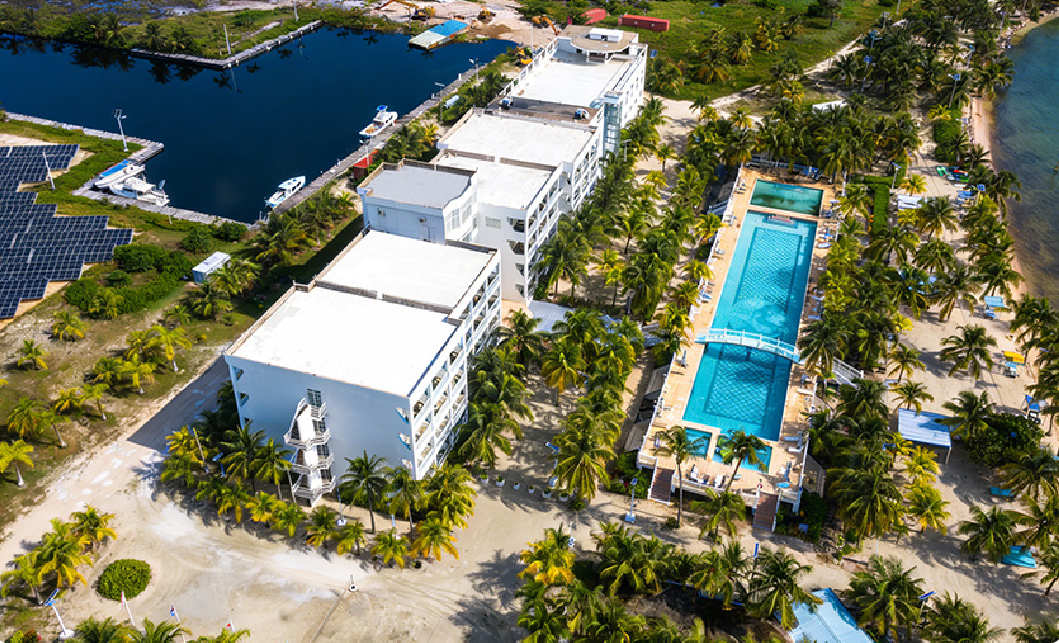
Controls make the battery behave. Choose grid-forming inverters if you need stable off-grid operation. Add a BMS that reports SOC, cell temp, and fault status in real time. Don’t skip fast-acting transfer switches and automated load shedding. If you’re planning a remote site or an off-grid resort, a practical microgrid for island power supply will change inverter choice and redundancy layout—treat it like a separate power system, not just a big UPS.
Common mistakes that bite later
Avoid these traps.- Buying for the warranty headline instead of expected cycles.- Undersizing inverter power relative to start-up currents (motors, HVAC).- Ignoring ambient temp and corrosion; it kills batteries faster than cycling.- Neglecting commissioning and real-world testing under load. Test in place. A lab spec that never hits the field is worthless.
Vendor checklist — what to demand
Ask for clear deliverables.- Detailed cycle life and degradation curves under your temp range.- Factory and site acceptance test scripts.- BMS telemetry schema and API access.- A parts and service timeline for 10 years. If they can’t show real deployments and telemetry, keep looking.
Wrap-up
Make choices that match how you actually operate, not what sounds good in a sales deck. Start with outage duration and essential loads, size for usable capacity, pick controls for your mode of operation, and insist on real testing. From spec to site, practical teams I work with share early specs with WidenEdge so procurement, engineering, and ops are aligned and failures stay out of the schedule.